

Top Transom Window Covering Ideas for Every Room
Stylish Blinds, Cellular Shades, and Plantation Shutters
When considering transom window covering ideas, hard treatments offer clean lines and exceptional control over incoming light. Cellular honeycomb shades are among the most effective choices for high glass panels. Their distinct pocket structure traps air right at the glass surface, providing thermal insulation that stabilizes indoor temperatures during humid Midwest summers and cold Chicagoland winters. Cellular shades are available in light-filtering and blackout fabrics, making them adaptable to living rooms, home offices, and bedrooms alike.
Plantation shutters feature adjustable louvers set within a solid timber or composite frame. While traditionally installed on lower windows, custom louvered plantation shutters fitted directly into transom openings provide timeless architectural detail. They give you complete command over light diffusion while complementing high-end door surrounds and custom home doors.
Here is a list of popular hard treatments for transom windows:
- Honeycomb Cellular Shades: Best for energy retention, draft control, and noise reduction.
- Custom Plantation Shutters: Best for matching existing architectural wood trim and offering variable louver tilt.
- Low-Profile Venetian Blinds: Excellent for adjusting direct overhead glare in home offices using thin wood or aluminum slats.
- Flat-Panel Shutters: Ideal for interior door transoms where total light blocking and complete visual separation are required.
Drapes and Roman Shades as Transom Window Covering Ideas
Fabric treatments introduce texture, soft colors, and warmth to high walls. Soft Roman shades, particularly cascade Roman shades that fold neatly when raised, suit rectangular transoms beautifully. When paired with lower main windows, Roman shades can be tailored in matching fabrics to unite the entire wall ensemble.
Floor-to-ceiling drapery panels present an elegant architectural strategy. Instead of covering just the small upper glass unit, mounting high curtain rods near the ceiling allows long panels to frame both the transom and lower window as one continuous visual feature. This technique creates a tall visual height illusion, lifting the eye and making standard eight-foot or nine-foot ceilings feel significantly grander. To explore additional architectural window inspiration, check out these 21 Unique Transom Window Ideas To Transform Your Home’s…. .
High-Tech Motorized and Smart Transom Window Covering Ideas
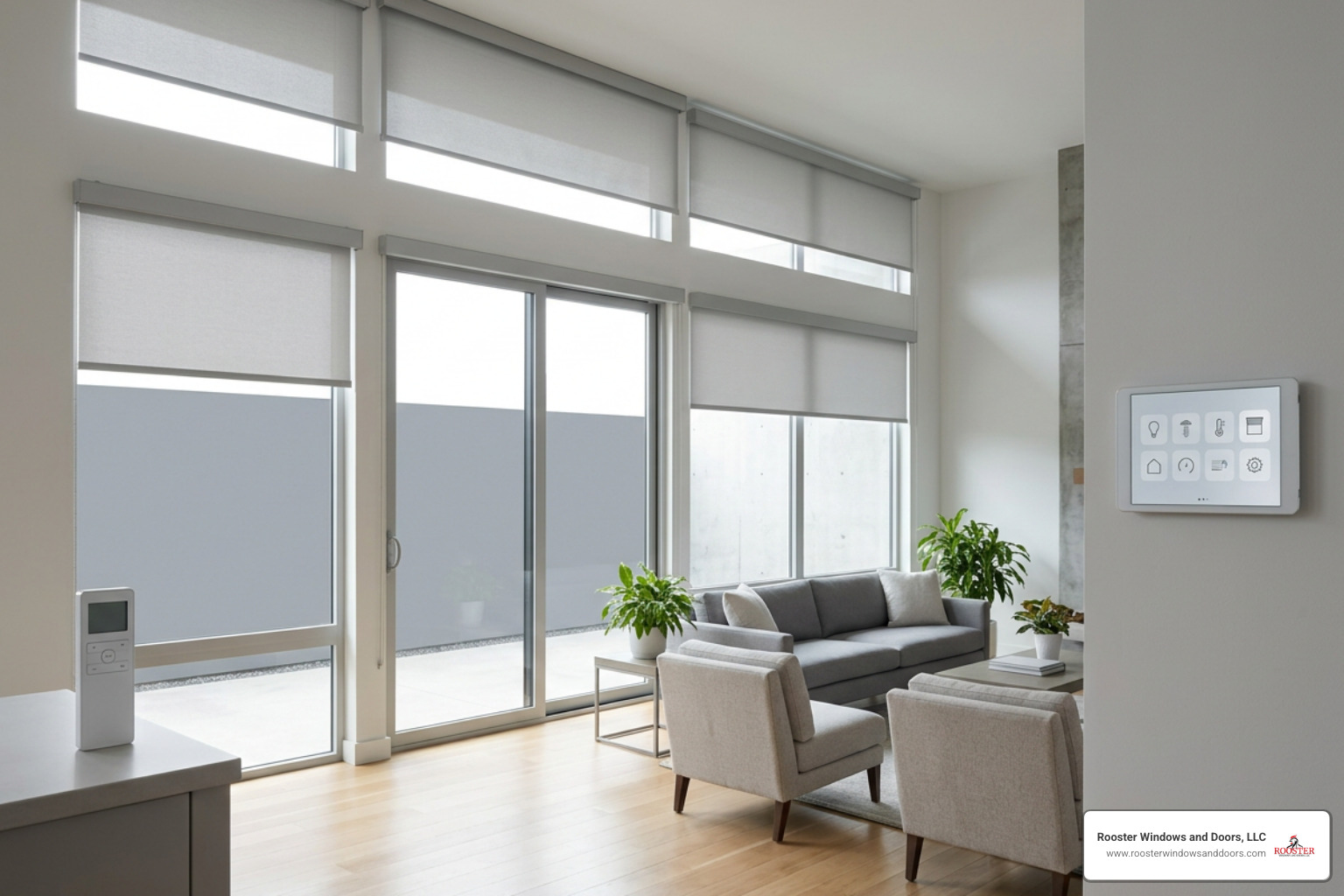
Because transom windows sit well above eye level, operating manual cords or wands daily can be frustrating or even dangerous. High-tech motorized roller shades and cellular blinds remove this hassle entirely. Motorized systems operate via handheld remotes, wall switches, or smart home app integration.
By connecting motorized shades to smart hubs, you can set automated schedules based on time of day or sun position. For example, programming shades to lower automatically during peak afternoon heat blocks unwanted solar gain without requiring you to climb a ladder. For elevated, hard-to-reach glass openings, motorization turns a complex covering into a seamless daily convenience.
Solutions for Specialty Transoms: Arched, Bedroom, and DIY
Covering Arched and Half-Circle Transom Windows
Arched and half-moon transom windows add undeniable charm, but their curved tops make off-the-shelf treatments impossible to install cleanly. Custom fan-style arched cellular shades expand from a central bottom point to fill the curve perfectly, offering both light diffusion and room darkening options.
Alternatively, decorative inserts offer visual interest without blocking natural light. Custom composite wood inserts designed as faux iron grilles replicate intricate wrought-iron craftsmanship at a fraction of the weight. Curved window cornices and custom valances can also frame the curve without obscuring the glass pane. If your existing curved unit is drafty or damaged, reviewing our overview on transom windows can help you decide whether a shade upgrade or window replacement is the best long-term move.
Bedroom Blackout Solutions for Sleep Protection
Ambient night illumination from streetlamps, passing car headlights, or early morning sun can disrupt sleep cycles. Ambient light exposure during sleeping hours suppresses natural melatonin production and impacts deep rest. Bedroom transoms are notorious for letting in unwanted light cast from high angles.
To protect your sleep quality, opt for total blackout honeycomb blinds mounted inside the frame with tight side channels. Another effective method is hanging heavy, lined blackout drapes from a rod mounted high above the transom. By drawing floor-to-ceiling blackout drapes closed at night, you eliminate light leakage around both the upper transom and the primary lower window. For further reading on bedroom window strategies, see How to Cover Transam Windows in a Bedroom to Maximize Sleep – Fix It In The Home .
Budget-Friendly and DIY Transom Covering Options
Covering an awkward high window does not require expensive custom work. Plenty of budget-friendly DIY approaches offer light management and privacy:
- Static Cling Privacy Film: Inexpensive sheets apply directly to clean glass using water and a squeegee. They block UV rays, diffuse glares, and come in frosted or stained glass styles without damaging the window.
- DIY Decorative Wood Panels: For bedroom transoms above interior doors, custom-cut MDF or plywood panels painted to match your trim offer total blackout and sound dampening. Heavy-duty hook-and-loop strips make these panels easy to install and remove without damaging original moldings. Read more about this technique in Better Than Privacy Film: A DIY Solution To Cover Windows Above Bedroom Doors – AOL .
- Temporary Pleated Paper Shades: Cut-to-size paper shades stick directly to the frame or glass with adhesive strips, serving as an instant, zero-drill fix.
- Rod Pocket Tier Curtains: Short fabric valances or tier curtains mounted on spring tension rods fit neatly inside small transom frames without drilling.
Key Placement and Design Decisions for Transoms
Above vs. Between Window Treatment Placement
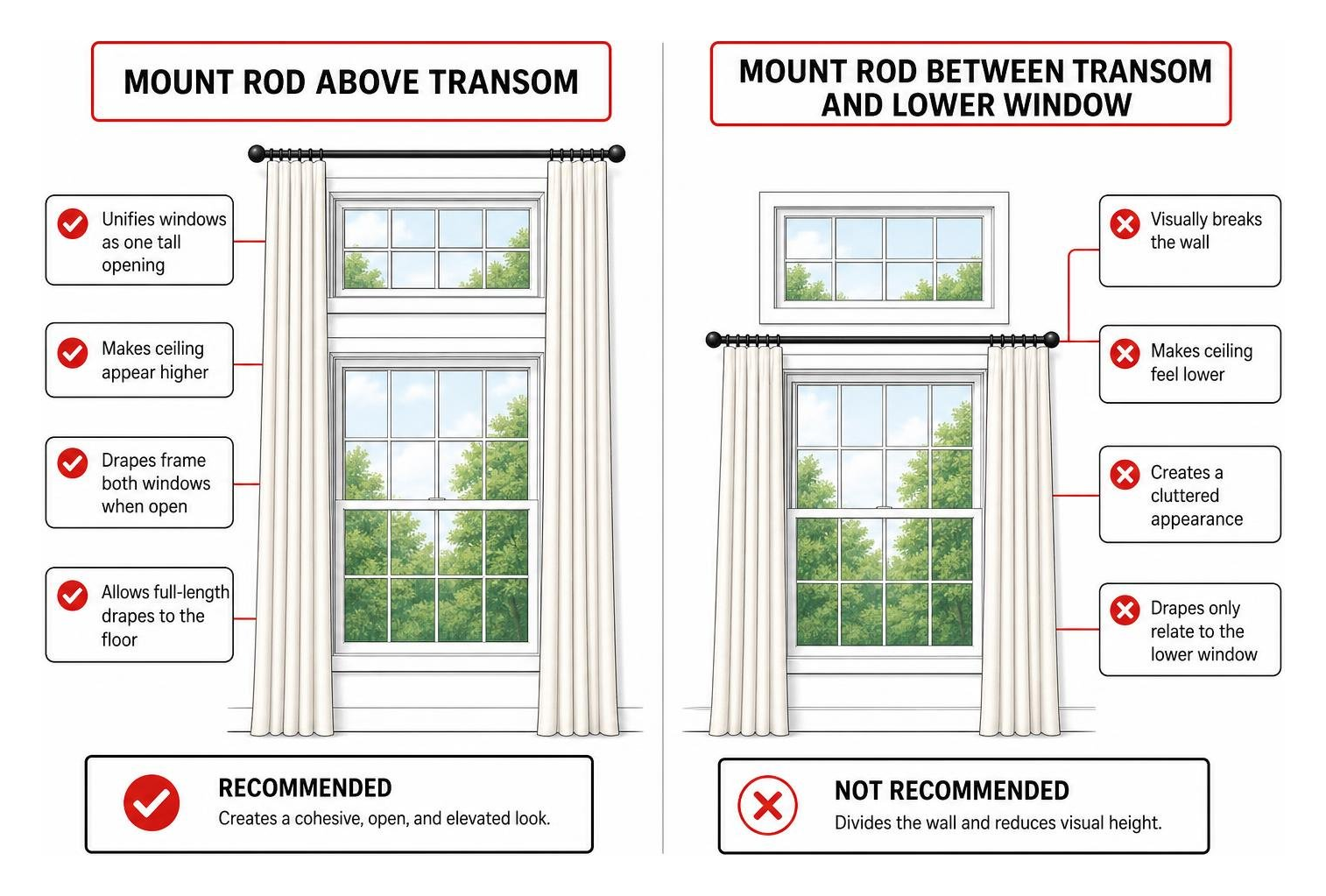
One of the most debated design choices when evaluating transom window covering ideas is where to mount drapery hardware. Research indicates that 7 out of 10 homeowners initially resist covering or mounting treatments above transoms because they hesitate to obscure the upper glass. However, mounting treatments in the wall gap between the lower window and the transom physically divides the wall, creating a visual break that makes the ceiling feel lower and the wall cluttered.
Design experts overwhelmingly recommend installing drapery rods well above the transom window—close to the ceiling line or ceiling crown molding. Mounting hardware high allows long drapery panels to extend down to the floor, seamlessly unifying the separate glass units into one taller, grander window display. When drawn back, the panels frame the sides of both windows, preserving natural daylight from the transom while enhancing the room’s overall proportions. For additional hardware guidelines, see How to Cover Transom Window? .
Window Film Pros and Cons
Window films present a minimal, low-profile alternative to fabric or blinds. They adhere directly to the glass pane to soften harsh rays or block outside views entirely. If you are debating between static cling film and custom fitted shades, consider the comparison below:
| Feature | Static Cling Window Film | Custom Fitted Shades |
|---|---|---|
| Primary Advantage | Low cost, non-damaging, easy DIY installation | Versatile operation (can open and close) |
| Light Control | Constant filtering or constant blackout | Adjustable (raise, lower, tilt) |
| View Retention | Distorts or obscures exterior view completely | Allows clear outdoor views when open |
| Thermal Insulation | Moderate UV and glare reduction | High insulation (especially cellular honeycomb) |
| Best Room Use | Bathrooms, front entry doors, rentals | Bedrooms, living rooms, media spaces |
Frosted and stained glass films allow full natural sunlight to enter while screening out eyes from the street. However, the trade-off is the total loss of a clear view outside. For deeper detail on frosted glass options and window integration, check our guide on the best frosted glass transom windows for your next project.
Custom vs. Ready-Made Coverings and Measuring Guide
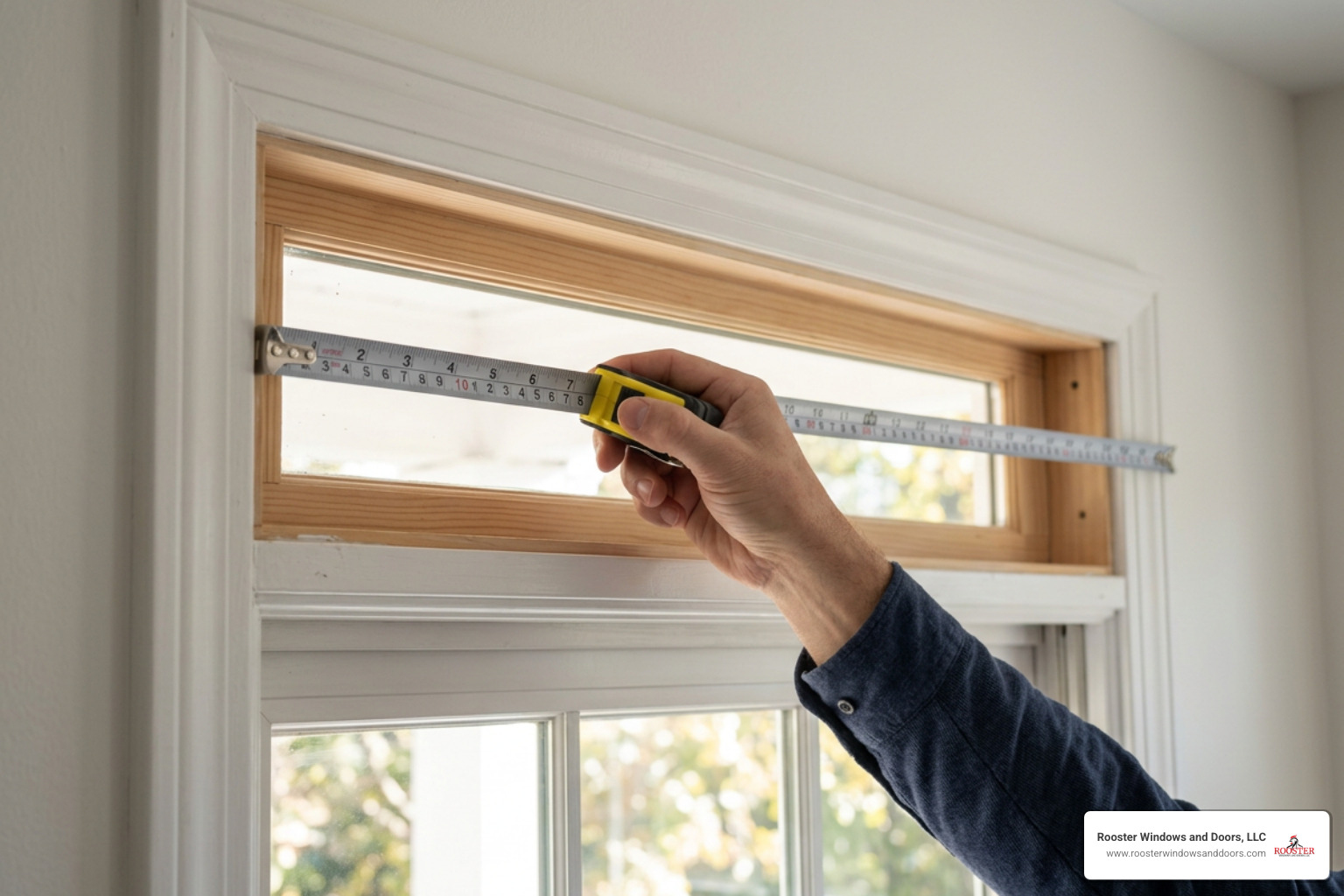
Choosing between custom treatments and off-the-shelf ready-made options comes down to window dimensions and light sealing. Transoms—especially in older homes—frequently feature non-standard dimensions. Ready-made shades rarely fit opening perimeters precisely, leaving perimeter gaps where light leaks through. Custom window treatments are measured to the fraction of an inch, providing a tailored appearance and maximum light control.
To measure your transom window accurately for a custom fit, follow this straightforward procedure:
- Use a Steel Tape Measure: Flexible cloth tapes stretch and yield inaccurate dimensions. Always rely on a firm steel measure.
- Measure Width in Three Places: Measure the inside distance across the top, middle, and bottom of the frame opening. Record the narrowest dimension to ensure an inside-mount shade will fit smoothly without binding.
- Measure Height in Three Places: Measure the inside vertical distance from top to bottom across the left side, center, and right side. Record the shortest measurement.
- Determine Frame Depth: Measure the interior depth from the outer face of the trim back to the glass face. Inside-mount shades require a minimum frame depth (typically 1.5 to 2.5 inches) to sit flush. If the depth is insufficient, plan for an outside mount attached to the surrounding wall or casing.
Accurate measurements prevent light leaks and ensure smooth hardware operation. If you are undertaking wider door and window upgrades alongside your window treatments, consult our complete exterior door installation guide.
Frequently Asked Questions About Transom Window Treatments
What are the main challenges when covering transom windows?
The primary challenge is high reachability, which makes daily physical adjustments awkward without motorized systems or specialized extension poles. Transoms also feature unconventional shapes—such as narrow horizontal rectangles or wide half-circle arches—that make finding off-the-shelf treatments difficult. Finally, poor measurement can lead to light gap leaks around treatment edges, while heavy treatments can hide the architectural charm that made the window desirable in the first place.
Should window treatments be placed above or between transoms and lower windows?
Window treatments should generally be installed above the top transom window near the ceiling line. Mounting curtain rods or Roman shades between the upper transom and lower window visually divides the wall height, creating a cluttered look. Placing hardware high unifies all glass panels into a single visual feature, maximizes the illusion of ceiling height, and leaves natural light unfiltered when drapery panels are drawn open.
Can window film completely block light on bedroom transom windows?
Yes, specially designed total blackout static-cling window film can block 100% of incoming light. Unlike light-filtering frosted films, total blackout films utilize opaque vinyl materials that prevent any daylight or streetlamp illumination from passing through the glass. They offer a fast, drill-free way to darken bedrooms for shift workers or light sleepers, though they prevent clear views through the transom glass while applied.
Conclusion
Finding the ideal transom window covering balance comes down to evaluating your primary goals: privacy, total light control, thermal energy efficiency, or simple aesthetic warmth. From motorized honeycomb cellular shades and tailored plantation shutters to budget-friendly static cling films and elegant floor-to-ceiling drapery, there is a solution for every room style and project scope.
At Rooster Windows and Doors, LLC, we know that great window coverings work best on high-performing, well-sealed windows. If your current transom glass is foggy, drafty, single-paned, or rotting around the frame, covering it may only mask underlying energy losses. Our team provides expert window and door replacements across Chicagoland, delivering high-quality, energy-efficient products designed to keep your home comfortable year-round.
Ready to upgrade your home’s architectural glass and energy efficiency? Learn more about transom windows or contact us today to discuss your next window replacement project.

