

All About Finding Reliable Window Installation Services
How to Choose a Reliable Window Installation Service
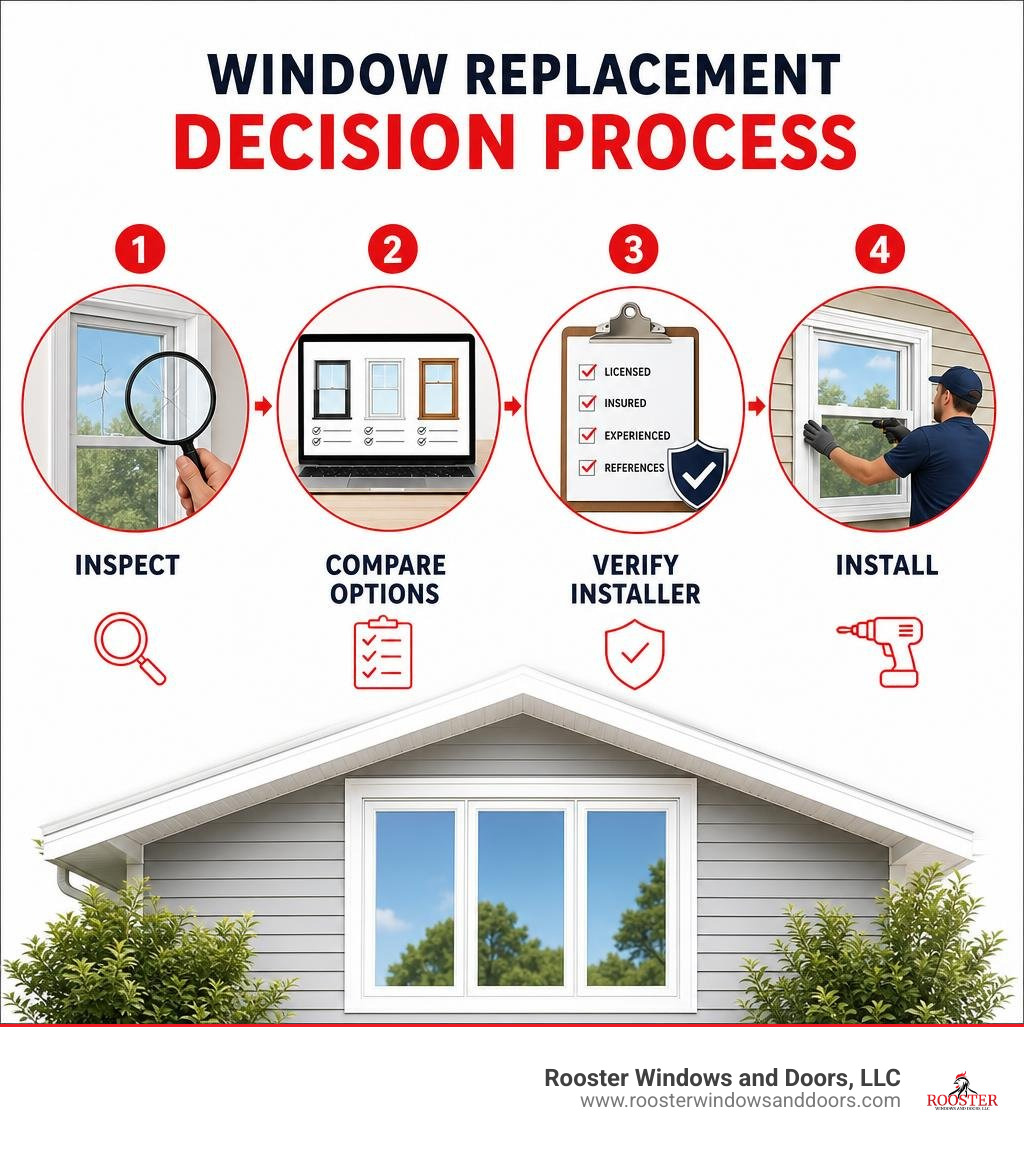
A reliable window installation service does more than put a new window in an opening. Choose a company that measures each opening carefully, explains whether you need an insert or full-frame replacement, uses trained and insured installers, and stands behind both the product and the workmanship.
Start with these checks:
- Look for clear signs of failure, such as drafts, fog between glass panes, rotting frames, or windows that will not open and close smoothly.
- Ask for a written scope that lists window style, frame material, glass package, installation method, cleanup, and warranty terms.
- Verify licensing, insurance, local experience, and EPA Lead-Safe certification if your home was built before 1978.
- Compare more than price. Proper flashing, insulation, sealing, and final operation checks are just as important as the window itself.
New windows can improve comfort, curb appeal, and energy performance, especially when replacing single-pane or failed double-pane units. The right choice also depends on your home’s condition, local climate, budget, and the style of window that fits each room.
I am Piotr Wilk of Rooster Windows and Doors, LLC. For more than two decades, our team has provided residential window installation service for homeowners and multi-unit property owners across Chicagoland, including Lake, Cook, and McHenry Counties.
Window installation service terms to learn:
Signs It Is Time for Window Replacement
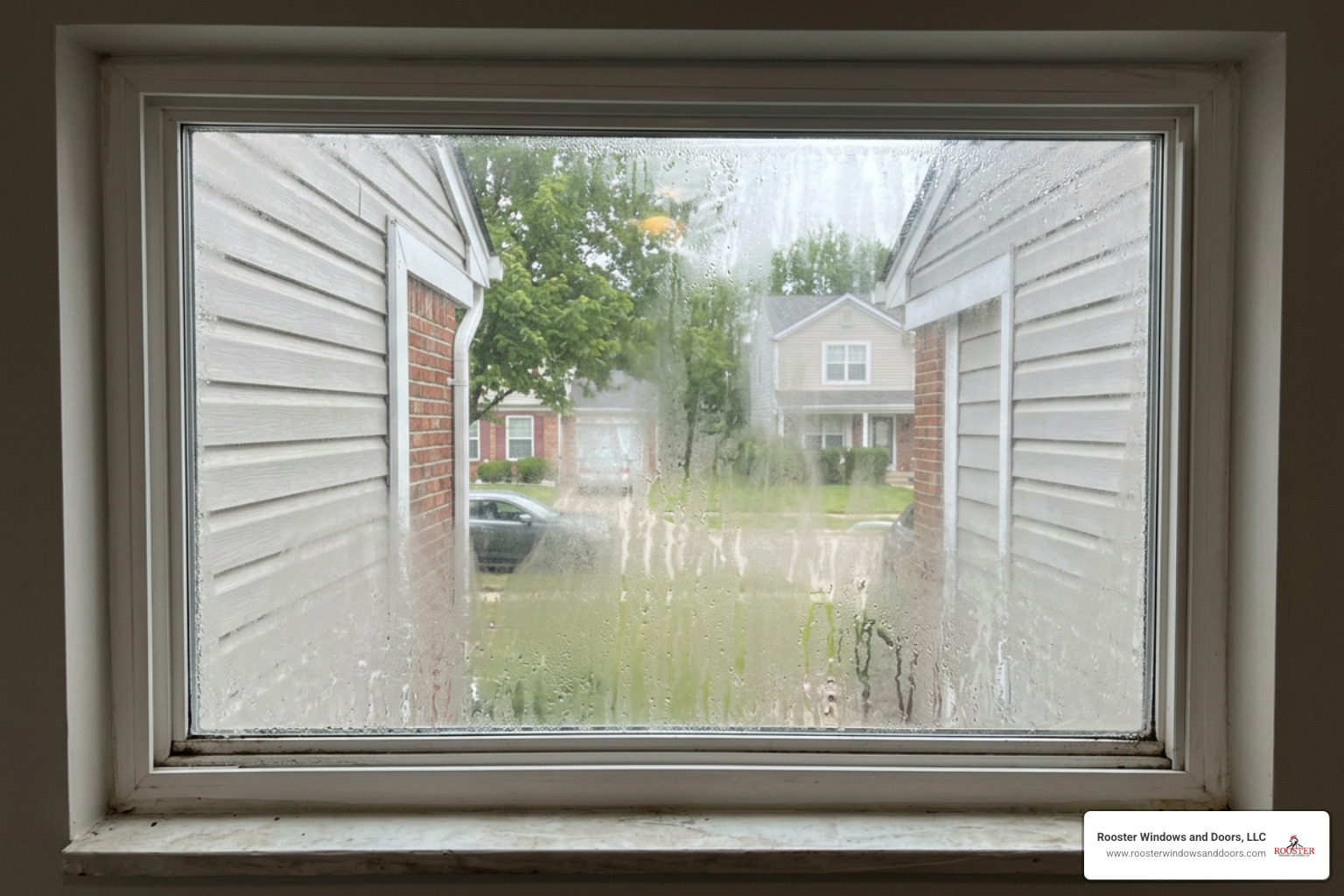
Windows rarely fail overnight. Instead, they drop subtle hints before escalating into costly structural problems or uncomfortable living spaces. Recognizing these warning signs early helps protect your home from water intrusion and unnecessary energy waste.
Here are the primary indicators that your home needs updated units:
- Seal Failure and Condensation Between Panes: When double-pane or triple-pane glass develops a broken seal, moisture seeps into the airspace between the lites. If you notice a permanent hazy film, moisture droplets, or fog trapped inside the glass that you cannot wipe away from either side, the insulating gas has escaped and the insulated glass unit has failed.
- Frame Rot and Structural Decay: Wooden frames and sills exposed to years of rain, ice, and humidity will eventually absorb moisture. Check for soft spots, crumbling wood, peeling exterior paint, or visible mold growth around the frame perimeter. Structural rot undermines the security of the opening and can allow hidden water leaks to enter wall cavities.
- Draft Detection and Inconsistent Room Temperatures: If you stand near a closed window and feel a noticeable chill in winter or a wave of heat in the summer, air leakage is actively undermining your HVAC system. A simple test is holding a lit candle or a tissue near the frame edges on a windy day; flickering flame or moving paper confirms active draft pathways.
- Operational Stiffness and Mechanical Wear: Sashes should glide open effortlessly and lock tightly with minimal force. If a window sticks, refuses to stay propped open, requires excessive muscle to budge, or exhibits broken latches, the balance mechanisms or frame alignment have deteriorated.
- Rising Utility Bills: Inefficient, single-pane, or degraded windows force heating and cooling systems to work overtime to maintain baseline indoor comfort.
When you notice several of these symptoms across your home, exploring our comprehensive guide to window services can help you determine the scope of replacement needed.
Understanding Window Types, Materials, and Installation Methods
Choosing the right replacement windows requires matching window opening styles and durable frame materials to your home’s specific architecture and operational demands.
Common window operational styles include:
- Double-Hung Windows: Featuring two operable sashes that move up and down independently, double-hung windows deliver classic aesthetics, easy inward tilting for interior glass cleaning, and versatile ventilation.
- Casement Windows: Side-hinged windows that crank outward allow 100% of the opening area to capture passing breezes. They provide exceptional airtight compression seals when latched shut, making them ideal over kitchen sinks or hard-to-reach spots.
- Sliding Windows: Operating along horizontal tracks, sliders maximize wide viewing areas and smooth operation with fewer mechanical parts.
- Awning, Bay, Bow, and Garden Windows: Top-hinged awning units allow airflow even during light precipitation, while bay and bow units project outward to create panoramic views, deep interior display ledges, and striking architectural curb appeal.
Modern energy-efficient units utilize advanced Low-Emissivity (Low-E) glass coatings. These microscopically thin metallic layers reflect radiant interior heat back into your living space during cold months while blocking solar infrared rays during summer heat waves. Specialized narrow-profile frame engineering can also increase visible glass surface area by up to 27%, admitting more daylight without compromising thermal performance.
| Feature / Metric | Premium Vinyl Frames | Structural Fiberglass Frames |
|---|---|---|
| Material Composition | Extruded, multi-chambered PVC | Glass fibers embedded in thermoset resin |
| Upfront Relative Cost | Budget-friendly to moderate | Moderate to premium |
| Thermal Expansion | Moderate expansion/contraction | Minimal expansion (matches glass rate) |
| Frame Profile Width | Slightly wider profile | Ultra-slim profile, high strength |
| Moisture & Rot Resistance | 100% waterproof, impervious to rot | 100% waterproof, impervious to rot |
| Maintenance Demands | Wipe clean; never requires painting | Extremely low; can be factory-finished or painted |
Full-Frame vs. Insert Replacement
Understanding the technical distinction between full-frame and insert replacement ensures your installation matches the actual condition of your home’s openings.
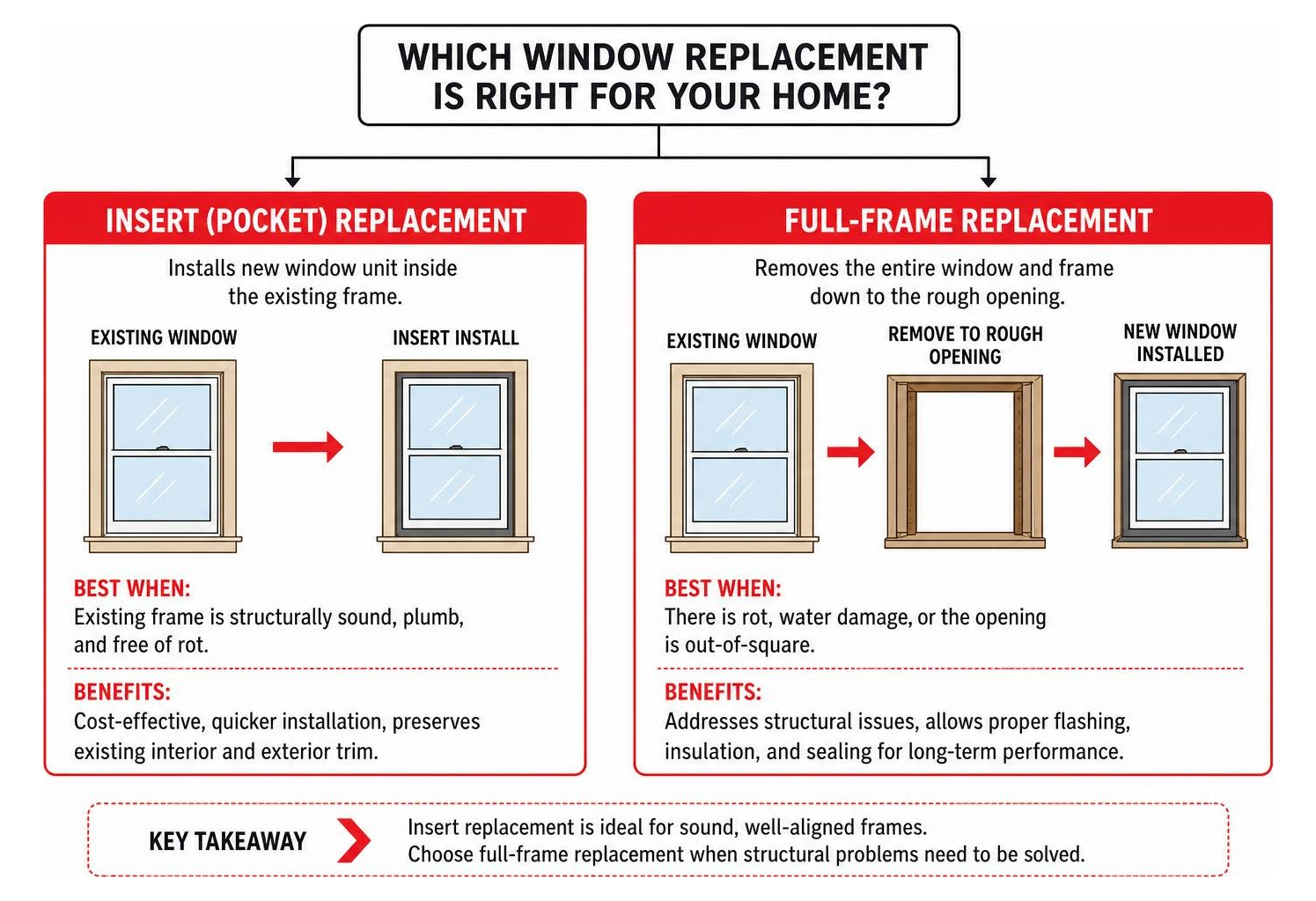
- Insert (Pocket) Window Replacement: An insert installation preserves the existing interior wood trim, exterior brickmould, and structural jamb. The installer removes only the old operating sashes and stop mouldings, sliding a self-contained window unit directly inside the existing square frame. This method is cost-effective, quick, and ideal when the underlying framing is structurally sound, plumb, and free of rot.
- Full-Frame Window Replacement: A full-frame project involves completely stripping out the old sashes, structural frame, exterior trim, and interior casings down to the rough stud opening. This method is required whenever the rough opening has rot, water damage, or significant settling out-of-square. It allows installers to apply modern flashing membranes, pack fresh insulation around the perimeter, and seal water-shedding gaps. If you are assessing extensive structural renovations, review our detailed overview of full frame window installation for a step-by-step breakdown.
For properties located in designated historic districts, insert installations or custom exterior profiles are frequently employed to maintain strict preservation guidelines while modernizing thermal comfort.
Project Costs, Energy Savings, and Timelines
Understanding the financial and scheduling expectations of a window replacement project enables confident planning.

Pricing and Utility Savings Breakdown
Window replacement costs depend on several practical variables:
- Selected frame material (vinyl vs. fiberglass vs. composite)
- Window style and operational complexity (fixed picture vs. double-hung vs. multi-lite bay)
- Glazing package (double-pane vs. triple-pane with argon gas fills and specialized Low-E coatings)
- Sizing requirements (standard rough openings vs. custom-engineered dimensions)
- Scope of carpentry (insert retrofit vs. extensive stud-level framing repairs)
Installed vinyl double-hung units typically start in the $300 to $800 range per opening, with high-performance fiberglass, triple-pane glass, or complex structural retrofits landing in higher tiers.
Upgrading aged single-pane or fogged, failed double-pane windows to modern Energy Star-certified units can yield annual utility savings between $200 and $500 per year, depending on overall home square footage and local climate extremes. Furthermore, precision-engineered weatherstripping can achieve air-tightness ratings up to 1,400% higher than older, leaky market alternatives, keeping climate-controlled air firmly inside.
Project Timelines and Production Sequences
From initial measurement to project wrap-up, a typical residential timeline follows a predictable sequence:
- Custom Ordering & Manufacturing: 2 to 4 weeks for standard architectural sizes, extending slightly for custom specialty shapes or custom factory finishes.
- Single-Window Installation: Typically completed in under an hour per opening by an experienced two-person crew.
- Whole-Home Replacement (10 to 15 Openings): Usually requires 2 to 3 days of on-site work, including tear-out, structural shimming, perimeter insulating, exterior capping, and thorough daily cleanup.
Key Steps to Hiring a Professional Window Installation Service
Finding a reliable installation contractor involves more than simply gathering estimates. A great contractor coordinates the process from in-home consultation to manufacturer-backed warranty protection.
Follow these proven steps to secure reliable service:
- Conduct a Detailed In-Home Consultation: Avoid companies offering generic phone quotes without inspecting the structural condition of your rough openings. An on-site assessment ensures exact measurements and identifies underlying moisture issues before orders are placed. Review these steps to find window installation services for a structured walkthrough.
- Require Clear, Itemized Scopes of Work: Your contract should detail the window brand, model series, frame material, exact U-Factor, Solar Heat Gain Coefficient (SHGC), installation method (insert vs. full-frame), trim finishes, and disposal procedures.
- Review Cleanup and Waste Disposal Standards: Quality installers remove old units, pack away construction debris, vacuum work zones, and leave your living areas tidy.
- Demand Strong Workmanship Warranties: While window manufacturers warrant the glass and frame materials, your installation contractor must back their labor with a comprehensive workmanship guarantee that protects against air infiltration and water leaks.
Verifying Credentials for a Window Installation Service
Before signing an agreement, verify critical credentials to protect your investment:
- Licensing and General Liability Insurance: Verify that the contractor holds valid regional licenses and carries comprehensive general liability and workers’ compensation coverage for every crew member on site.
- EPA Lead-Safe Certification: Federal law requires that contractors working on residential properties built prior to 1978 be EPA Lead-Safe certified. The replacement of windows disturbs painted trim; certified teams use containment barriers, HEPA vacuum filtration, and strict cleanup protocols to prevent dangerous lead dust exposure.
- Reputation and Proven Track Record: Check verified customer feedback and review collections from top-rated window installation companies to assess historical craftsmanship and post-installation service responsiveness.
Preparing Your Home for a Window Installation Service
Proper preparation helps the crew work safely and keeps your installation moving on schedule:
- Clear Interior Pathways: Provide at least 4 to 5 feet of unobstructed space in front of every window opening by shifting furniture, lamps, and decorative items.
- Remove Window Treatments: Take down all blinds, curtains, valances, and mounting hardware prior to crew arrival.
- Clear Exterior Access: Trim back overgrown shrubs, move outdoor patio furniture, and ensure clear ladder positioning around exterior walls.
- Plan for the Final Walkthrough: Ensure an adult is present at project completion to inspect window operation, test locking hardware, review warranty paperwork, and sign off on project completion.
Frequently Asked Questions About Window Replacement
How long does a standard window installation take?
A single standard insert replacement generally takes under an hour to install, insulate, and seal. A comprehensive whole-home project involving 10 to 15 window openings typically takes two to three full business days from initial tear-out to final exterior caulking and interior walkthrough.
What is the difference between vinyl and fiberglass frames?
Vinyl frames are constructed from impact-resistant, multi-chambered PVC, providing excellent thermal insulation, moisture immunity, and low maintenance at an accessible price point. Fiberglass frames, built from glass fibers bound in resin, offer superior tensile strength, slimmer sightlines, and match the thermal expansion rate of glass panes. This minimizes expansion and contraction stress during extreme weather shifts, though fiberglass commands a higher initial investment.
Do older homes require special window replacement procedures?
Yes. Homes built before 1978 are subject to federal EPA Lead-Safe containment regulations to prevent toxic dust dispersion when disturbing historic trim. Additionally, properties located in designated historic districts may require municipal architectural review to ensure replacement exterior frame profiles and grid patterns match historic aesthetics.
Conclusion
Upgrading your home’s windows enhances interior comfort, eliminates cold winter drafts, reduces annual utility costs, and increases overall property value. Choosing the right frame materials, understanding the differences between insert and full-frame installations, and verifying your contractor’s certifications are essential steps for long-lasting performance.
At Rooster Windows and Doors, LLC, we deliver high-quality, flawless, and energy-efficient window installations customized to your architecture and budget. When you are ready to enhance your home’s exterior with durable products and skilled craftsmanship, consult our professional window installation service to schedule an on-site project assessment.
