

How to Choose Awning Windows for Sale
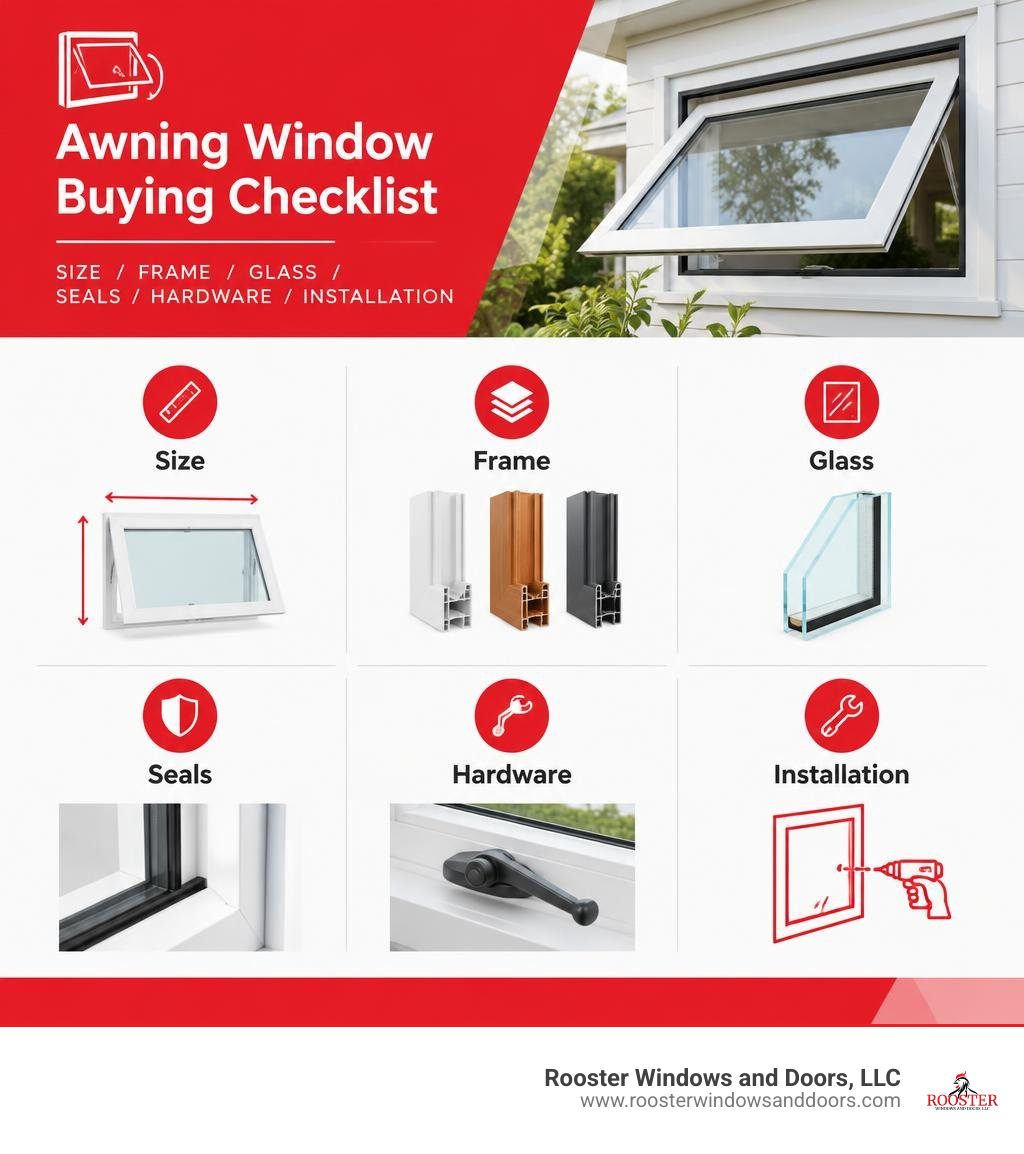
The best awning windows for sale fit your opening, suit your budget, and meet your needs for insulation and airflow. Compare vinyl, wood, and fiberglass frames, then check the glass, seals, crank hardware, and screen options. Before buying, confirm the window’s dimensions and get an installation quote.
Awning windows hinge at the top and open outward from the bottom. That design lets in fresh air while helping shield the opening from light rain. They work especially well in bathrooms, basements, and spots high on a wall where you want light and privacy.
At Rooster Windows and Doors, LLC, our team brings over two decades of combined residential installation experience to helping Chicagoland homeowners choose and install windows, including awning windows for sale.
Related content about awning windows for sale:
Key Features to Look for in Awning Windows for Sale
When searching for the right window units to upgrade your living space, understanding how design choices influence day-to-day comfort is essential. Awning units are engineered uniquely: because the sash hinges at the top and swings outward, the glass creates a natural roof over the opening. In our detailed look through an essential guide to awning windows, we emphasize that structural durability and precision engineering make all the difference in long-term performance.
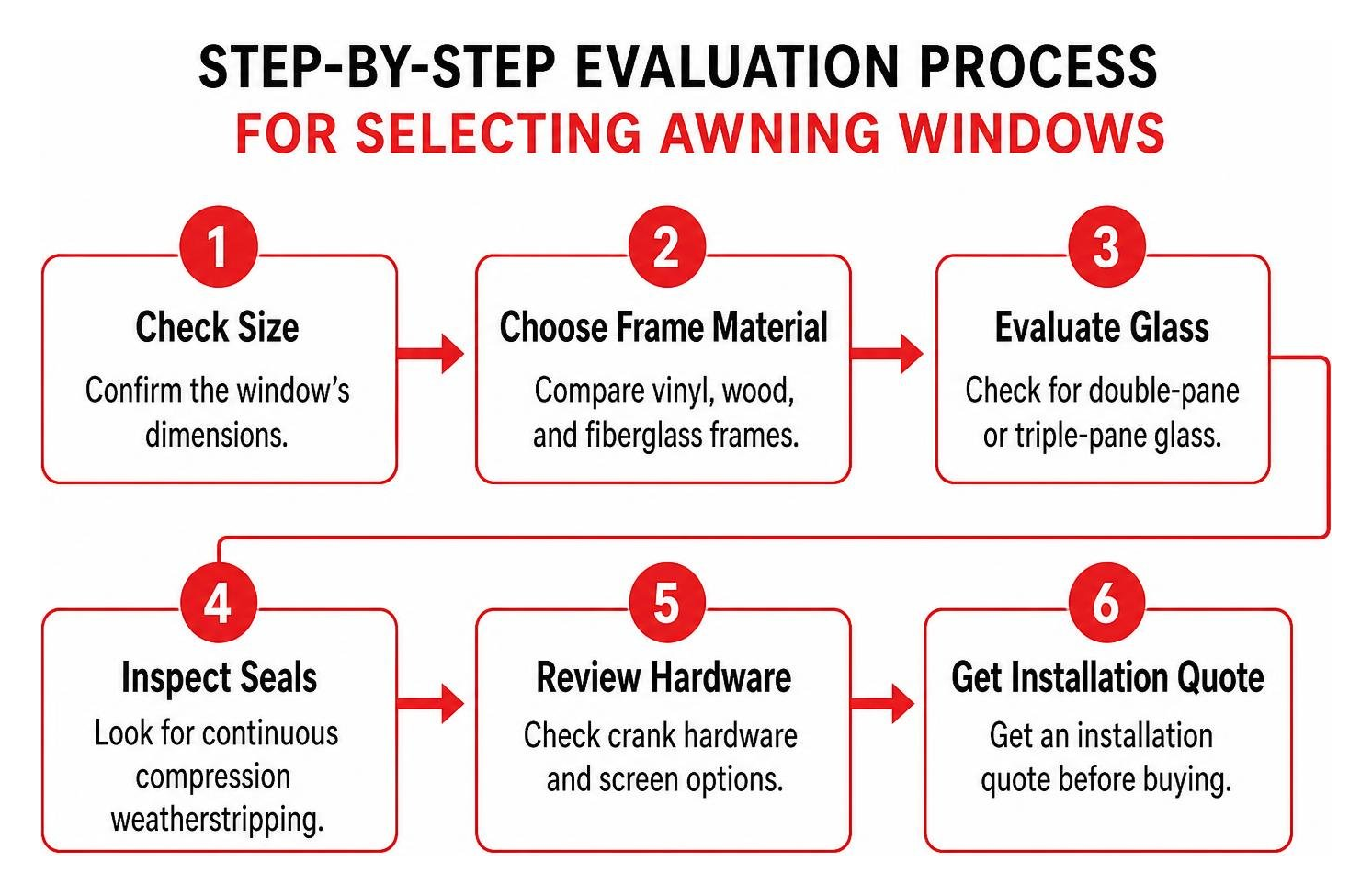
To get the most out of your purchase, keep an eye out for these foundational features:
- Continuous Compression Weatherstripping: Unlike sliding windows that rely on flexible brush seals, top-hinged units use continuous compression gaskets around the perimeter. When locked, the sash pulls tight against the frame, closing off air leaks and draft points.
- Advanced Glass Packages: Look for double-pane or triple-pane insulated glass units filled with argon or krypton gas. Low-E coatings reflect thermal radiation back to its source, keeping your home cozy during harsh northern Illinois winters and cool in the humid midwestern summer.
- Robust Corner Construction: Welded vinyl corners or precision-mortised wood and composite joints prevent frame sagging and corner separation over decades of operation.
- Impact and Wind Resistance: Structural reinforcement within the sash keeps the window rigid even when pushed against strong gusts, preventing moisture intrusion during heavy wind-driven storms.
Framing Materials for Awning Windows for Sale
Your choice of framing material impacts thermal insulation, maintenance routines, exterior aesthetics, and total investment. Today’s top manufacturers offer solutions across three primary material categories:
- Vinyl: Vinyl remains an exceptionally popular option due to its low maintenance, moisture resistance, and budget-friendly price point. Premium vinyl series feature multi-chambered extrusion profiles that trap dead air to enhance insulation.
- Wood: Real wood offers timeless interior beauty and natural thermal resistance. Premium lines feature aluminum-clad exteriors that protect the organic timber core from rotting, peeling, and sun fading.
- Fiberglass and Composites: Materials like pultruded fiberglass and composite blends expand and contract very little when temperatures swing. This dimensional stability protects the seal between the glass and frame.
| Material | Initial Cost | Maintenance Level | Thermal Performance | Expected Lifespan |
|---|---|---|---|---|
| Vinyl | Low to Moderate | Very Low | Excellent | 20–30 Years |
| Wood (Clad) | Moderate to High | Low Exterior / Moderate Interior | Superior | 30–40+ Years |
| Fiberglass | High | Very Low | Superior | 35–50 Years |
Hardware, Security, and Screen Options
Because an awning sash projects outward, it relies on specialized mechanical operators. Quality hardware ensures your windows glide open effortlessly and lock tight against weather and intruders. Selecting top rated awning impact windows for style and safety gives you peace of mind that your home’s perimeter remains secure.
Key hardware and operational components include:
- Smooth Crank Operators & Easy-Slide Mechanisms: Fold-away nesting handles sit flush against the frame so they never interfere with interior blinds or curtains. Smooth planetary gear drives prevent stripped mechanisms.
- Multi-Point Perimeter Locking: A single lever actuates two or more heavy-duty steel lock points along the sides of the frame. This draws the sash evenly against the compression weatherstripping, delivering a seal akin to a modern refrigerator door.
- Interior-Mounted Insect Screens: Because the sash pushes outward, full screens sit safely on the inside of your home. This protects the screen mesh from outdoor dirt, heavy hail, and harsh weather while making seasonal cleaning straightforward.
Comparing Awning vs. Casement Windows
Awning and casement windows share many engineering principles—both are crank-operated projecting units with compression seals. However, their orientation creates distinct functional differences. While an awning window is hinged along the top horizontal edge and swings upward, a casement window hinges along the vertical side and swings outward like a standard door.
Understanding the types of casement windows and comparing them with awning configurations helps you choose the right style for every wall in your house.
| Feature | Awning Windows | Casement Windows |
|---|---|---|
| Hinge Placement | Top horizontal edge | Left or right vertical edge |
| Opening Motion | Swings upward & outward from bottom | Swings outward sideways |
| Rain Ventilation | Excellent (sash acts as a rain awning) | Fair (direct rain can enter wide opening) |
| Airflow Capture | Scoops upward rising breezes | Captures side-drafts & passing winds |
| Best Wall Shapes | Wider-than-tall openings | Taller-than-wide openings |
| Placement Versatility | High-wall, basements, under fixed glass | Eye-level walls, bays, flanking living rooms |
Best Placement and Sizing for Awning Windows
The horizontal orientation of awning windows makes them uniquely versatile throughout your floor plan. Because they do not require full vertical clearance to provide airflow, they fit comfortably in architectural spaces where traditional double-hung or sliding windows cannot go.
Homeowners regularly take advantage of these strategic applications:
- High-Wall Clerestory Placement: Positioned high along living room or bedroom walls, awning windows let hot air escape naturally (passive thermal chimney cooling) while preserving complete visual privacy from neighbors.
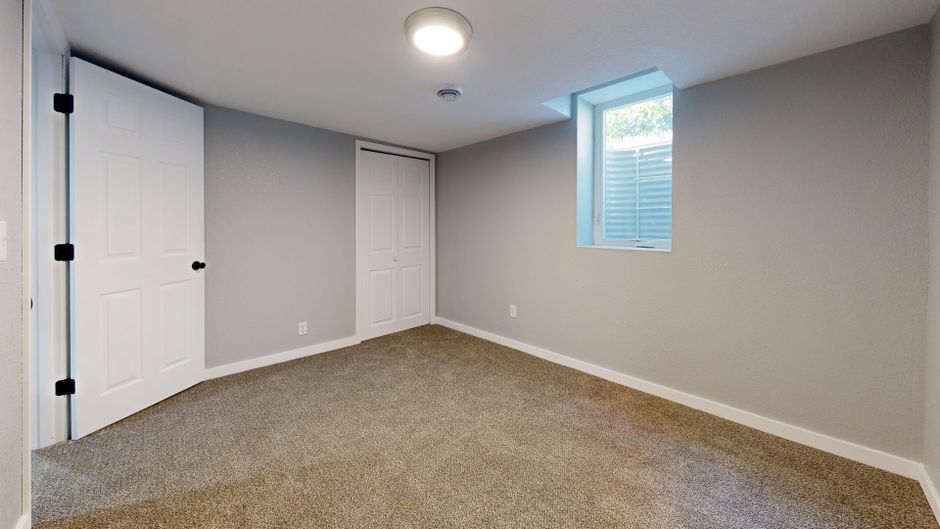
- Basement Light Wells: Small awning units bring natural light and ventilation to lower levels, eliminating moisture and musty smells.
- Above the Kitchen Sink & Backsplashes: An easy-to-reach crank allows effortless opening across deep kitchen countertops, venting cooking aromas without fighting difficult sash weights.
- Window Wall Combinations: Paired below or above large, non-operable picture windows, awning transoms provide fresh air without blocking panoramic outdoor views. For more ideas on how shading and window placements influence energy use, explore outdoor protective options like Window – Awnings – The Home Depot and canopy products from Window Awnings | Retractable Manual Awnings with Protection.
Standard Dimensions and Sizing Awning Windows for Sale
Awning windows are manufactured in a broad spectrum of standardized rough openings as well as fully customized architectural dimensions. Common standard retail dimensions include compact units such as 23-1/2″ x 23-1/2″ (often chosen for utility rooms and small bathrooms), mid-size 35-1/2″ x 23-1/2″ frames, and wide 47-1/2″ x 23-1/2″ configurations.
For larger spaces, architectural series (like Andersen A-Series) offer expansive single-sash units up to 6 feet wide and 4 feet high. When planning lower-level living spaces or bedrooms, review a practical guide to sizing and installing an awning egress window to confirm clear opening clearances meet local building codes.
Weather Defense and Structural Protection
One of the standout perks of top-hinged windows is how effortlessly they manage bad weather. When a sudden rain shower rolls through, you do not have to scramble around closing every window in the house. The outward-angled sash acts as a personal roof canopy over the opening, deflecting descending raindrops while letting crisp breezes circulate inside.
Furthermore, when heavy storm winds press against the glass from the outside, they push the sash tighter against the frame’s continuous rubber gaskets. In areas prone to high wind gusts and severe storms, selecting reinforced units—as outlined in the ultimate guide to hurricane impact awning windows—provides structural protection with laminated impact glass and heavy-gauge hardware.
Pricing and Energy Efficiency Considerations
Investing in high-performance windows lowers recurring heating and cooling costs year-round. Awning windows boast some of the lowest air infiltration ratings in the fenestration industry because their mechanical locks actively compress the sash against the weatherstrip.
When budgeting for your project, consider these typical price benchmarks across standard sizes:
- Vinyl Awning Units: $250 – $550 (unit only)
- Wood-Clad Awning Units: $600 – $1,100 (unit only)
- Fiberglass Awning Units: $700 – $1,300 (unit only)
- Impact-Rated / Architectural Triple-Pane Units: $900 – $1,800+ (unit only)
Pairing high-performance glass with professional energy efficient window installation ensures proper insulation around the rough opening, eliminating drafts and maximizing your return on investment.
Frequently Asked Questions About Awning Windows
Can awning windows stay open when it rains?
Yes! The top-hinged sash swings outward and upward, creating a slanted protective canopy. As long as rain is falling normally rather than blowing horizontally in severe gale winds, water runs down the exterior glass surface and drips away from the interior opening.
How secure are awning windows compared to other window styles?
Awning windows are among the most secure operable window styles available. They cannot be forced open from the exterior because they are held shut by internal mechanical worm gears and multi-point perimeter deadbolts. Additionally, when placed high on exterior walls or kept at narrow vent angles, they present an exceptionally difficult target for unauthorized entry.
What is the typical cost range for replacement awning windows?
A standard residential replacement project typically ranges from $500 to $1,500 per window opening, including professional installation, custom exterior flashing, interior trim work, and old unit haul-away. For detailed pricing factors, read our breakdown on awning window replacement.
Conclusion
Finding the right balance of durability, weather protection, and ventilation begins with picking well-engineered awning windows tailored to your architecture. Whether you are adding fresh air to a basement remodel, brightening a bathroom, or designing a sweeping wall of glass, awning windows offer unmatched versatility and airtight performance.
At Rooster Windows and Doors, LLC, our focus is providing precise, high-quality, and energy-efficient installations across our service areas—from Libertyville, Lake Forest, and Highland Park to Buffalo Grove, Arlington Heights, Schaumburg, and Chicago. To explore our wide range of customization options, styles, and materials, check out our awning replacement windows and schedule an in-home consultation with our installation specialists today.

