

Why Window Insulation Matters: Energy Savings and Benefits
#
How to insulate windows starts with sealing air leaks around the frame, then adding a barrier that traps still air between your room and the glass. For a quick, low-cost improvement, close and latch each window, add weatherstripping to movable sashes, caulk fixed gaps, and use shrink film, thermal curtains, or a removable interior panel where needed.
Up to 30% of a home’s heat can escape through windows. That can mean chilly rooms in winter, unwanted heat gain in summer, more strain on your HVAC system, and higher energy bills. The right budget fix depends on whether the problem is an air leak, cold single-pane glass, strong sun exposure, or a window that has reached the end of its service life.
This guide breaks down practical temporary and longer-lasting options, including renter-friendly choices that do not damage the window. It also explains when basic insulation is a smart stopgap and when replacing old, leaky windows may deliver better comfort and efficiency.
I am Piotr Wilk of Rooster Windows and Doors, LLC. With more than two decades of combined residential window and door installation experience in the Chicagoland area, our team has seen how to insulate windows effectively and when aging windows need a more permanent upgrade.
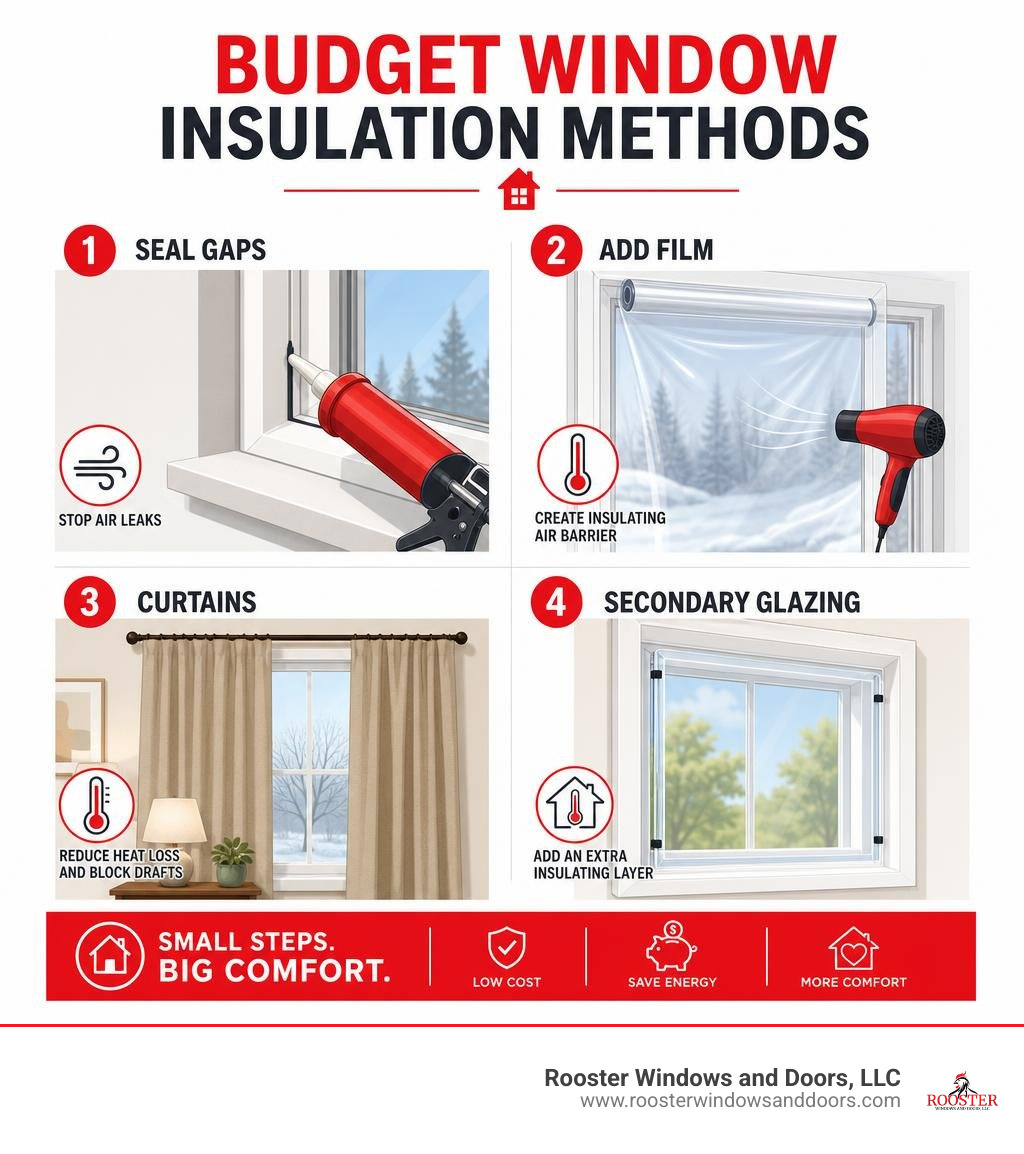
Understanding learning how to insulate windows is one of the most cost-effective ways to improve your home’s thermal efficiency. According to data from the U.S. Department of Energy, up to 30% of residential heating and cooling energy escapes right through uninsulated or drafty window glass and framing. In communities around Libertyville, Lake Forest, and Chicago, where winter winds howl off the lake and summer days can get sweltering, unsealed windows force your HVAC system to work overtime.
Sealing drafts and adding insulating layers yields immediate utility savings. In fact, homeowners can save up to 10% annually on heating and power bills simply by sealing air gaps and insulating existing windows. Beyond the monthly financial payoff, retrofitting drafty windows delivers significant daily lifestyle benefits:
- Enhanced Draft Reduction: Stops cold air infiltration along loose sashes and worn sills.
- Improved Thermal Efficiency: Traps a dead air pocket against glass panes, raising the effective thermal resistance (R-value).
- Indoor Humidity Management: Reduces cold surfaces where interior humidity condenses into glass condensation and frame moisture.
- Summer Solar Heat Mitigation: Blocks intense solar heat gain during hot summer months.
- Acoustic Dampening: Softens exterior noise from neighborhood traffic, sirens, and lawn equipment.
When evaluating drafty window solutions, it helps to separate quick DIY temporary methods from permanent structural options.
| Method | Estimated Cost | Lifespan | Energy Savings Impact | Renter Friendly? |
|---|---|---|---|---|
| Plastic Shrink Film | $10 – $30 per kit | 1 Season | Moderate (Stops drafts, creates dead air gap) | Yes |
| Caulking & Weatherstripping | $15 – $40 total | 1 – 3 Years | Moderate-High (Eliminates direct air leakage) | Frame caulking depends on lease; weatherstripping is yes |
| Bubble Wrap | $5 – $15 total | 1 Season | Low-Moderate (Traps air, reduces light clarity) | Yes |
| DIY Secondary Glazing (Acrylic) | $28 – $55 per window | 5 – 10+ Years | High (Brings single pane up to R-3 rating) | Yes (Magnetic mount) |
| Removable Wooden Inserts | $20 – $45 per window | 5 – 10 Years | High (Friction-fit custom seal) | Yes |
| Thermal Curtains / Shades | $30 – $100 per panel | Multi-Year | Moderate (Blocks radiant chill and heat gain) | Yes |
| Window Replacement | Varies by style/size | 20+ Years | Maximum (Triple/double pane with Low-E gas) | No |
Effective DIY Methods: How to Insulate Windows for Winter and Summer

Insulating your home isn’t strictly a winter project. Solar radiation during July and August can turn sun-facing rooms into mini-greenhouses, straining your air conditioning. Comprehensive window door weatherproofing addresses both seasonal extremes by combining proper air sealing with thermal barriers.
Before applying decorative or plastic layers, address direct air leaks. Run your hand around the window casing on a windy day, or hold a candle near frame joints—watch for a flickering flame indicating moving air.
- Caulk Application: Use a flexible, paintable exterior or interior caulk along stationary joint gaps where the trim meets the drywall or original window frame. Cut the nozzle tip at a 45-degree angle, press smooth beads into gaps, and allow up to 24 hours to cure.
- Weatherstripping: Apply peel-and-stick foam tape, felt, or silicone V-strips along the moving sashes, tracks, and window sills. V-strips use tension to block drafts along sliding channels, while compression foam works best where sashes clamp shut.
- Thermal Drapes and Cellular Shades: Heavy insulated curtains lined with magnetic edge catches or thermal backing act as a secondary barrier. Honeycomb cellular shades trap air inside built-in paper/fabric pockets, reducing summer heat gain and winter heat loss.
When evaluating whether you should insulate windows for cold weather, simple physical barriers stop air movement, while reflective solar screens or thermal shades prevent radiant solar energy from overheating your living space.
How to Insulate Windows with Bubble Wrap and Window Film
For budget-conscious homeowners and tenants in Highland Park or Vernon Hills, shrink-fit plastic film kits and bubble wrap offer lightweight, highly accessible insulation.
If you purchase a standard plastic film kit, you can follow this simple workflow to get a drum-tight finish:
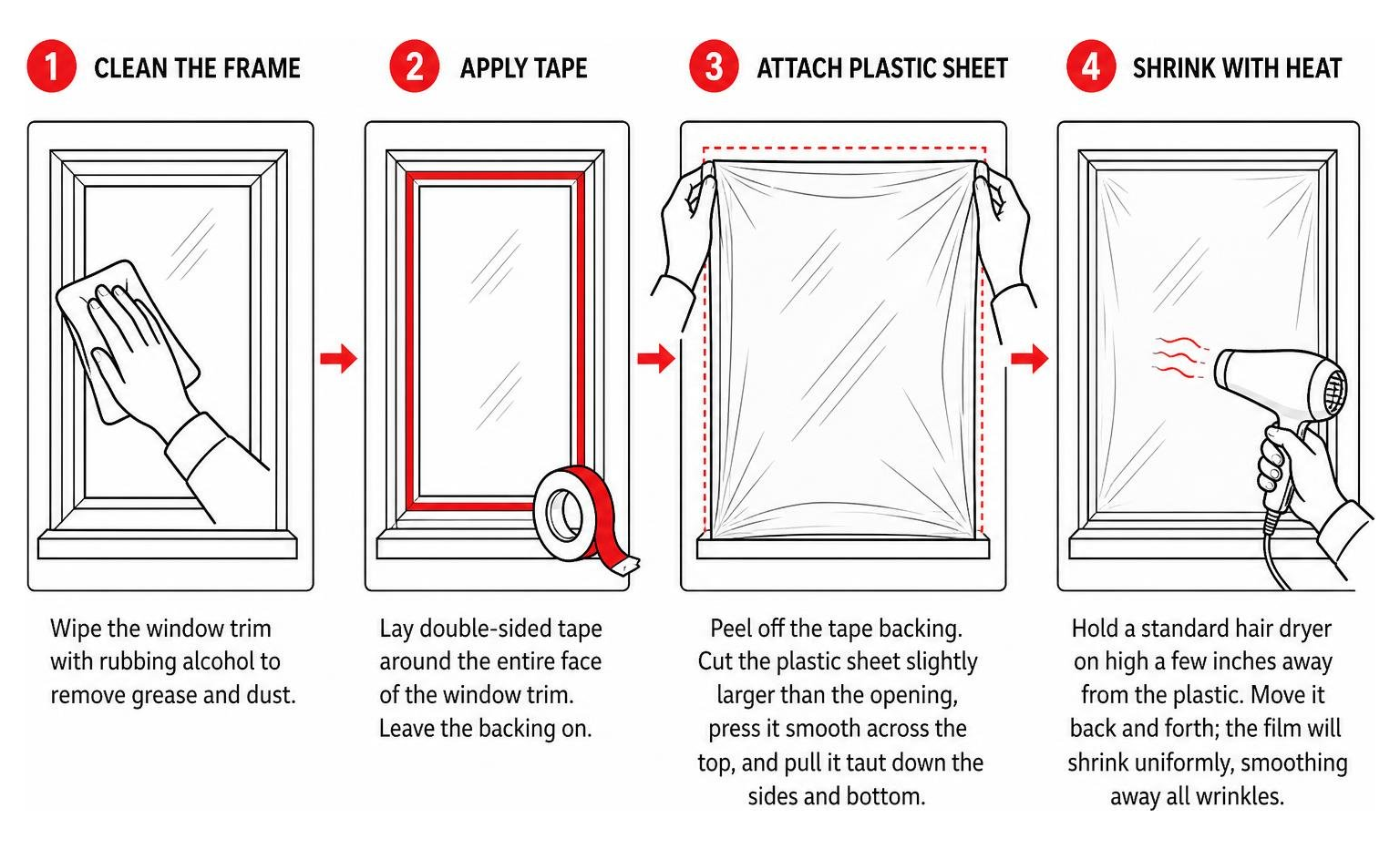
- Clean the Frame: Wipe down the window trim with rubbing alcohol to remove grease and dust so double-sided tape adheres firmly.
- Apply Tape: Lay double-sided tape around the entire face of the window trim, leaving the protective paper backing on until you are ready to mount.
- Attach Plastic Sheet: Peel off the tape backing. Cut the plastic sheet slightly larger than the opening, press it smooth across the top, and pull it taut down the sides and bottom.
- Shrink with Heat: Hold a standard hair dryer set to high heat a few inches away from the plastic. Move the dryer back and forth; the polyolefin film will shrink uniformly, smoothing away all wrinkles.
If visual clarity isn’t critical (such as garage windows, basement window wells, or utility rooms), bubble wrap is an even cheaper alternative. Mist water from a spray bottle directly onto clean glass, then press the bubble side of medium bubble wrap against the wet glass. The surface tension keeps it attached for months without sticky tape residues, allowing maximum light transmission while creating tiny insulating air pockets. When spring arrives, peel it off in seconds.
For an in-depth review on using DIY thermal kits to eliminate drafts, check out how I stopped losing heat through my windows with this cost-effective DIY kit.
How to Insulate Windows Using Acrylic Secondary Glazing
If you want the structural performance of real glass without the cost of full window unit replacement, DIY magnetic secondary glazing is one of the best choices available. Adding a 3mm to 4mm clear acrylic sheet over an existing window frame creates a sealed dead air gap.
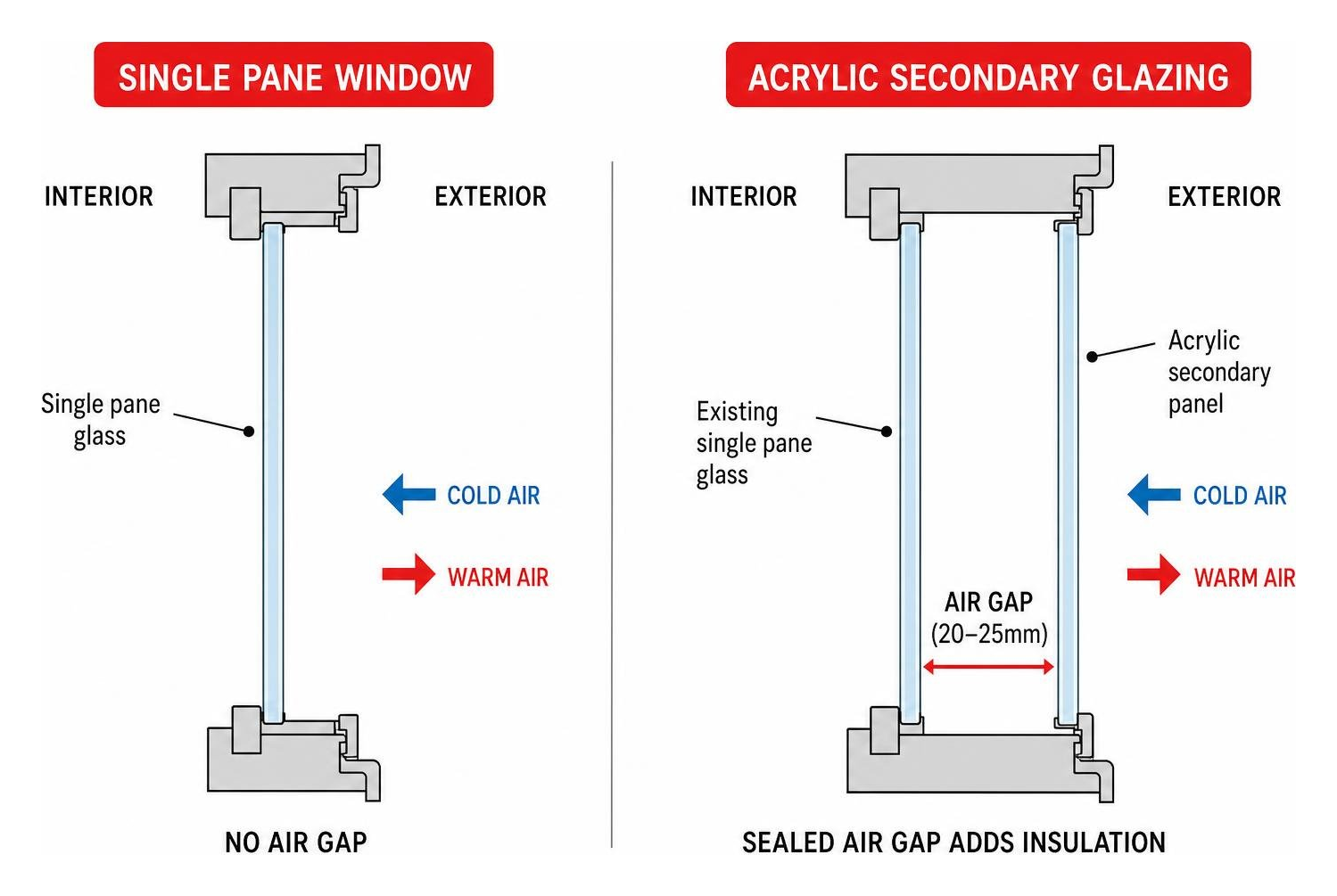
Research demonstrates that adding a secondary panel with a 20mm to 25mm air gap over an old single-pane window (starting around R-1) can boost the total insulation value up to R-3. That matches or exceeds the thermal efficiency of standard double-pane glass at a fraction of the cost.
To build magnetic secondary glazing:
- Measure the Frame: Measure the flat interior window reveal. Cut your 4mm clear acrylic sheet roughly 3mm to 4mm smaller than the reveal to accommodate thermal expansion (acrylic expands when temperatures change; cutting it too tight can cause bowing).
- Score and Snap: Score straight cut lines 6 to 8 times using an acrylic scoring knife along a straight edge, then snap the board clean over a solid table edge.
- Mount Magnetic Strips: Stick self-adhesive steel tape around the window reveal and attach flexible magnetic tape around the perimeter of the custom acrylic sheet. Ensure tape polarity matches before pressing the acrylic sheet into place.
This approach gives you crystal-clear transparency, noise reduction up to 35dB, and reusable panels that snap off in seconds during warm summer days. Compare how secondary panels enhance thermal performance in our detailed guide on single pane vs double pane windows.
For step-by-step cutting tips and detailed material breakdowns, review this resource on DIY Acrylic Secondary Glazing: Cost Per Window, Cutting Guide and Step-by-Step Install.
How to Build Removable Wooden Frame Inserts
If you enjoy basic woodworking, constructing reusable wooden frame inserts yields a sturdy interior storm panel that can last for years.
To build custom frames:
- Materials: Use standard 1×2 pine lumber. Measure your interior window opening at three places (top, middle, bottom) and subtract 1/4 inch from the smallest width and height measurements.
- Frame Assembly: Assemble simple butt joints with pre-drilled pilot holes and 2.5-inch drywall screws. For frames wider than 36 inches or taller than 48 inches, add a horizontal or vertical center brace to prevent bowing.
- Apply Film: Wrap heavy-duty polyolefin shrink film across both sides of the frame using double-sided tape, then shrink out wrinkles using a hair dryer.
- Perimeter Seal: Stick continuous 1/2-inch by 1/2-inch gray open-cell poly foam weatherstripping around the outside border. The compressible foam expands to create a tight friction fit, filling uneven frame voids in older homes.
- Pull Tabs: Staple cloth tabs or clear packing tape loops near the bottom corner so you can easily pull the friction-fit frame out without damaging the trim.
Safety Check: Never install permanently fixed or stubborn friction-fit inserts on emergency egress windows in bedrooms unless they can be removed instantly without tools or special effort.
Learn how to build reusable room-warming panels by reading How to Build a Removable Window Insert That Helps Keep One Room Warm – everythingpreppers.com.
Step-by-Step Guide: Measuring, Sealing, and Preventing Condensation
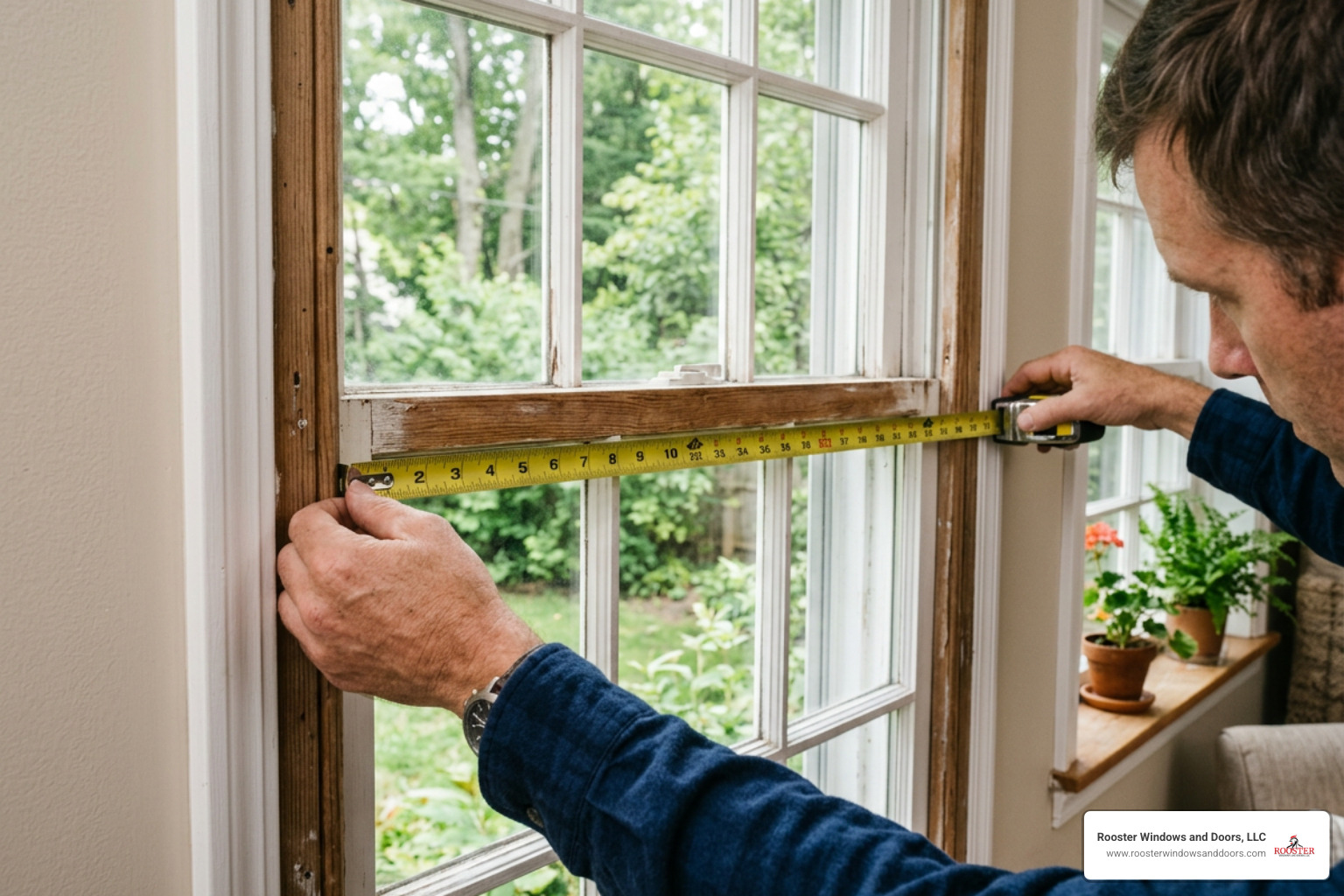
Accurate measurement and moisture control are crucial for successful window insulation. If you tape or fit insulation over high humidity or rotted frames, you risk trapping condensation against organic surfaces.
1. Accurate Window Frame Measurement
Always measure width and height across three distinct points: top, middle, and bottom for width; left, center, and right for height. Take the smallest dimension when sizing rigid wooden inserts or acrylic sheets to ensure the insert fits into non-square openings.
2. Managing Condensation and Humidity
Condensation forms when warm, humid indoor air meets cold window glass. Adding an interior insulation barrier prevents indoor air from hitting the glass—provided the edge seal is airtight. If moist air leaks past your film or acrylic insert, water will collect against the cold glass, leading to mold or frame rot.
- Keep Indoor Humidity Balanced: The EPA recommends keeping indoor relative humidity between 30% and 50% during winter months.
- Use Exhaust Fans: Run bathroom and kitchen ventilation fans to expel excess steam.
- Clean and Dry First: Wipe glass and frames thoroughly before sealing windows for the season.
- Check Weekly: Inspect interior seals during severe cold snaps. If heavy moisture collects behind panels, remove the insert, dry the wood, and re-seal the perimeter gap tightly.
For more details on managing glass moisture and frame upkeep, explore our home guides on condensation on windows and seasonal window maintenance.
When Temporary Insulation Is Not Enough: Upgrading Your Windows
While plastic films, weatherstripping, and DIY secondary panels work wonders as short-term fixes, temporary measures have clear limits. DIY insulation cannot repair structural frame failure, rotting wood sills, or broken double-pane insulated glass seals (evidenced by fogging or moisture trapped between the glass panes).
When window frames warp or original glass seals decay, cold air bypasses temporary treatments. Investing in professional window replacement delivers permanent thermal efficiency, structural integrity, and architectural curb appeal.
Upgrading to modern multi-pane windows offers significant performance enhancements:
- Low-E Glass Coatings: Microscopically thin metallic coatings reflect interior heat back into your living space during winter while bouncing solar heat radiation away in summer.
- Inert Gas Fills: Argon or Krypton gas sealed between glass panes insulates significantly better than air, drastically cutting conduction.
- Thermal Frame Break Technology: Modern vinyl, composite, and wood clad window frames contain internal air chambers that block heat conduction.
- ENERGY STAR Certification: Certified window units meet strict climate-zone efficiency requirements, reducing overall household energy footprints and yielding high return on investment.
If you are evaluating modern options, explore our resources on energy efficient window upgrades, modern double pane replacement, and our comprehensive window replacement cost ultimate guide.
Frequently Asked Questions About Window Insulation
Can I insulate windows in a rental property without causing damage?
Yes! Renters can use damage-free insulation solutions that leave no permanent marks. Top choice options include:
- Bubble Wrap: Requires only water to stick to glass panes and leaves zero residue behind when removed.
- Painter’s Tape + Plastic Film: Use low-tack painter’s tape instead of heavy-duty double-sided mounting tape under shrink film.
- Magnetic Acrylic Inserts: Apply magnetic adhesive tape along painted interior trim. The tape can be removed gently with heat from a hair dryer when moving out.
- Thermal Curtains: Hang heavy drapes using existing curtain rods or spring-tension shower rods inside the window casing.
How do I insulate windows for summer heat gain?
To combat intense solar radiation during warm summer months:
- Apply Solar Control Window Film: Static-cling solar tint reflects up to 70% of incoming solar heat while maintaining views outside.
- Install Cellular Shades: Close double-cell honeycomb shades during peak daytime sun to block radiant heat.
- Use External Awnings or Screens: Shading window glass from the outside stops heat before it reaches the glass.
- Close Interior Blinds: Keep white or light-colored horizontal blinds angled upward toward the ceiling to bounce direct sunlight back outside.
Does bubble wrap block natural light when insulating windows?
Bubble wrap diffuses sunlight rather than blocking it completely. It acts like privacy frost or obscure glass: light enters the room freely, creating a soft, diffused glow, but clear outdoor visibility is obscured. Medium or large bubble wrap offers a good balance between privacy, light transmission, and dead-air insulation.
Conclusion
Mastering how to insulate windows gives homeowners and renters practical control over seasonal indoor comfort and energy costs. Whether you apply simple shrink film, hang thermal curtains, or build custom magnetic acrylic panels, low-cost window insulation reduces drafts and lowers utility costs across winter and summer alike.
However, when temporary DIY patches fail to cure rotting sills, drafty frames, or broken double-pane seals, permanent upgrades are the smartest path forward. At Rooster Windows and Doors, LLC, we serve homeowners across Libertyville, Lake Forest, Highland Park, Vernon Hills, Grayslake, Mundelein, Lake Zurich, Buffalo Grove, Deerfield, Gurnee, Waukegan, Crystal Lake, Evanston, Northbrook, Glenview, Des Plaines, Chicago, and surrounding communities. We deliver flawless, high-efficiency window installations tailored to your home’s unique architectural needs.
Ready to trade temporary plastic wraps for permanent energy efficiency and lower energy bills? Contact our team at Rooster Windows and Doors today to schedule a consultation and learn more about our professional window installation options!

