

What Does It Cost to Put in a Bay Window? (2026 Quick Answer)
The cost of putting in a bay window typically falls between $2,000 and $4,000 for most homeowners in 2026 — but the full range runs wider depending on your project.
| Project Type | Typical Cost Range | Average Cost |
|---|---|---|
| Basic replacement (existing opening) | $1,038 – $3,600 | ~$2,200 |
| New installation (new wall opening) | $2,500 – $7,911 | ~$3,600 |
| Large or custom units | $7,911 – $10,000+ | Varies |
A few key cost drivers at a glance:
- Window size — wider windows cost significantly more than taller ones
- Frame material — vinyl is the most affordable; steel is the most expensive
- New opening vs. replacement — cutting a new opening adds $1,500–$3,000 in structural work
- Labor — typically accounts for 40%–60% of the total project cost
- Energy-efficient glass — upgrades like Low-E coatings or triple-pane glass add 10%–25% to material costs
These numbers give you a solid starting point, but your actual cost depends on a handful of factors we’ll walk through in detail below.
Bay windows are more than just a window swap. They’re architectural features that project outward from your home’s exterior wall, require careful structural support, and often need specialized roofing, framing, and finishing work. That’s why the price range is so wide — and why surprises during installation are more common with bay windows than with standard window replacements.
I’m Piotr Wilk, and through more than two decades of residential window installation across Lake, Cook, and McHenry County, I’ve guided hundreds of Chicagoland homeowners through the real cost of putting in a bay window — from the initial quote to the final inspection. In the sections below, I’ll break down exactly what drives the price so you can plan your project with confidence.
Average Cost of Putting in a Bay Window in 2026
In our Chicagoland service area, most homeowners should expect bay window projects to land somewhere between a straightforward replacement and a more involved structural remodel.
What Is the Average Cost of Putting in a Bay Window?
A good working benchmark for 2026 is:
- Around $2,200 for a simpler installed bay window project
- Around $2,500 as a common all-in average across many standard jobs
- Around $3,600 for a typical replacement that includes installation
- About $1,038 to $7,911 as the broad national-style pricing span for real-world projects
Why such a big range? Because “bay window” can mean very different things. Replacing an older unit in the same opening is one thing. Creating a brand-new bump-out with new framing, new exterior finishing, and new interior trim is another thing entirely.
For a small box bay in an existing opening, you may stay near the lower end. For a large custom canted or bow-style setup with premium glass and structural work, costs climb fast.
Bay Window Replacement vs New Installation Cost
Replacement is almost always cheaper than a new installation.
A replacement project usually includes:
- Removing the old unit
- Inspecting the surrounding framing
- Setting the new bay window
- Insulating, sealing, and trimming the opening
- Disposing of old materials
Typical replacement cost: about $1,800 to $6,000, with many projects averaging roughly $3,600 installed.
A new installation usually costs more because it may require:
- Cutting a new wall opening
- Reframing the wall
- Adding or resizing a header
- Repairing siding or exterior cladding
- Drywall and interior finish work
- Possibly a structural engineer for load-bearing changes
That extra work can add $1,500 to $3,000 or more on top of the window itself. In other words, the wall rarely volunteers its services for free.
Cost Breakdown: Materials, Labor, and Hidden Fees
For most bay window jobs, the final price usually breaks down into three buckets:
- Materials
- Labor
- Extra project costs
Materials include the window unit, frame material, glass package, hardware, support system, exterior trim, and sometimes a small bay roof.
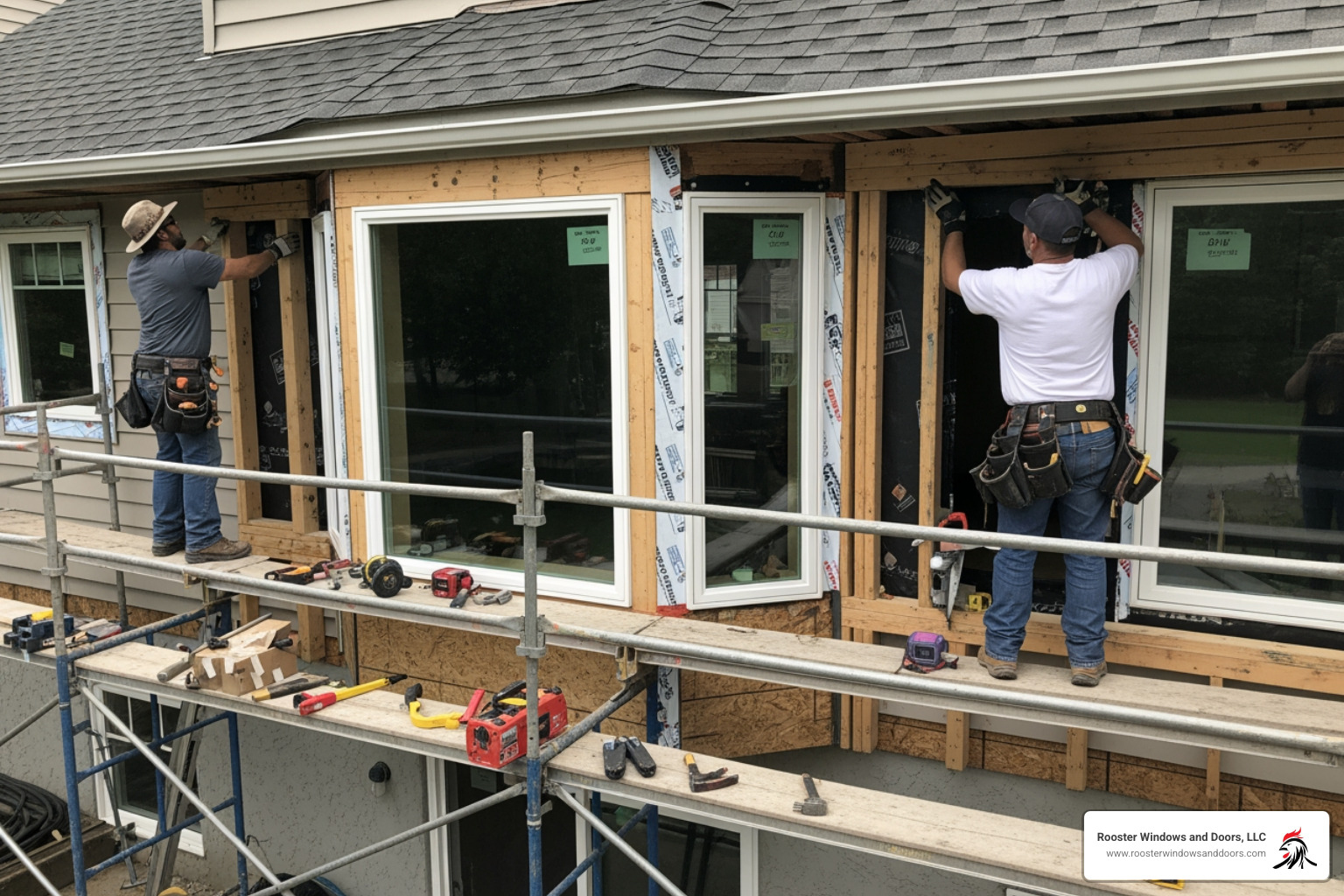
Labor commonly makes up 40% to 60% of the total cost. On many projects, that means about $1,000 to $1,500 per window, though difficult access or structural issues can push labor higher.
Hidden or often-missed costs may include:
- Permit fees
- Cleanup and debris disposal
- Interior repainting or drywall repair
- Exterior siding repairs
- Contractor overhead and taxes
- Rotten framing or water-damage repair
What Changes Bay Window Installation Costs the Most?
The biggest pricing variables are size, style, material, glass package, wall condition, and installation complexity.
Bay Window Cost by Size
Width usually affects pricing more than height because wider bays need more glass, more frame material, and more structural support.
Here is a practical sizing guide for 2026:
| Bay Window Size | Typical Replacement Cost | Typical New Install Cost |
|---|---|---|
| 4×3 ft | $1,400 – $2,500 | $2,500 – $4,000 |
| 6×3 ft | $1,800 – $3,600 | $3,000 – $5,500 |
| 8×3 ft | $2,400 – $4,800 | $4,000 – $7,000 |
| 10×3 ft | $3,400 – $6,000+ | $5,500 – $10,000+ |
A few notes:
- Small 4×3 bays are common for kitchens and breakfast nooks
- 6×3 is a very common living room replacement size
- 8×3 and 10×3 units often need heavier support and more custom fabrication
- Custom dimensions cost more than standard production sizes
If your goal is to control the cost of putting in a bay window, standard sizes are one of the simplest ways to save.
Cost by Bay Window Type
Not all bay windows are priced the same.
Box bay
Usually the most budget-friendly option. These have simpler 90-degree lines and are often used in kitchens.
- Materials often start around $750 to $1,200
- Installed costs can begin around $1,125 to $1,350 for basic units, though many finished projects run higher in 2026 depending on size and labor
Canted bay
This is the classic three-panel bay with angled side windows. It is one of the most common styles in living rooms and front elevations.
- Mid-range pricing
- Good balance of curb appeal and usable space
Bow window
Technically different from a bay, but often compared during planning. Bow windows use more panels and create a curve, which usually makes them more expensive.
- Often 1.5 to 2.5 times the cost of simpler bay styles
- Frequently averages closer to $5,000 installed
For a deeper comparison, see More info about bay and bow windows.
Circle bay
A more decorative, curved option that tends to cost more because of custom manufacturing and complex detailing.
Oriel
Mounted higher on the wall and supported by brackets or corbels rather than reaching the ground. These are often used on upper floors and can involve more specialized structural work.
In general, the more custom the shape, the higher the cost.
How Frame Materials Impact Price
Frame material affects not just the sticker price, but also maintenance, energy performance, and lifespan.
Vinyl
Usually the most affordable and best-value option for many homes in Libertyville, Highland Park, Lake Zurich, Buffalo Grove, Arlington Heights, and surrounding areas.
- Rough material range: $700 to $3,500
- Low maintenance
- Good energy performance
- Usually the most budget-friendly choice
Wood
Beautiful and warm, especially for traditional homes.
- Rough material range: $1,100 to $6,000
- Excellent appearance
- Higher maintenance
- More vulnerable to moisture issues if not maintained
Fiberglass
A strong premium option and often the best middle ground between energy efficiency and durability.
- Average projects often land around $2,800 to $3,200
- Stable in Illinois temperature swings
- Lower maintenance than wood
Aluminum
Usually cheaper than fiberglass or wood on the front end, but not ideal for cold climates because it transfers heat and cold more easily.
- Rough material range: $500 to $2,200
Steel
Strong, sleek, and usually the most expensive.
- Rough material range: $1,600 to $7,000
- Most homeowners do not need this level of structural muscle for a residential bay
How Energy-Efficient Features Affect Upfront Cost and Utility Savings
Bay windows have more glass and more exposed surface area than flat windows, so energy performance matters.
Common upgrades include:
- Double-pane glass
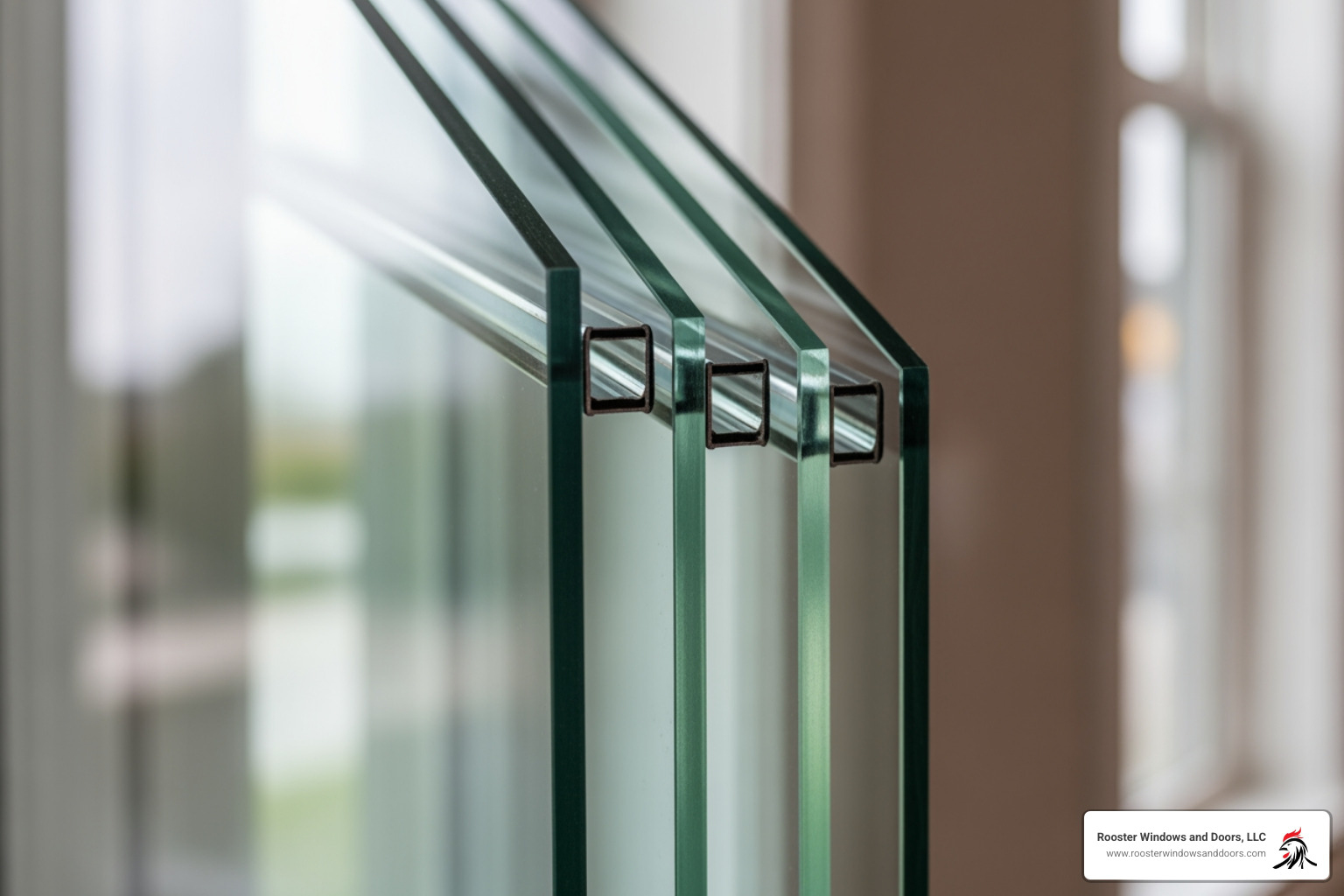
- Triple-pane glass
- Low-E coatings
- Argon gas fill
- ENERGY STAR-rated packages
These features usually add 10% to 25% to material cost. Triple-pane can be roughly twice the price of basic double-pane in some configurations, though in other cases the premium is closer to 15%.
Why pay more up front?
Because windows account for roughly 25% to 30% of residential heating and cooling energy use. ENERGY STAR-style upgrades can save homeowners about $27 to $197 annually depending on the window package and home conditions.
For our climate in Chicago, Evanston, Glenview, Northbrook, Schaumburg, and nearby communities, we usually recommend prioritizing:
- Double-pane or triple-pane glass
- Low-E coatings
- Quality spacers and weather seals
- Well-insulated frames
Labor, Structural Work, and Extra Costs Homeowners Miss
This is where budgets often drift. Not because anyone is being sneaky, but because bay windows can hide problems until the old unit comes out.
How Much Labor Costs for Bay Window Installation
Typical labor cost for bay window installation is about $1,000 to $1,500 per window, though some simpler replacements come in lower and difficult installs can go much higher.
Labor costs rise when the project involves:
- Second-story access
- Lift rental or extra scaffolding
- Large or unusually heavy units
- New structural framing
- Detailed weatherproofing
- Complex interior or exterior trim work
Upper-floor projects can increase labor significantly because installers need more safety equipment, more crew coordination, and more time.
A proper bay window install is not just “set it and caulk it.” It requires:
- Leveling and shimming
- Structural support
- Insulation around the opening
- Water management details
- Air sealing
- Exterior flashing and roof tie-in when needed
Additional Costs to Budget For
Here are the extras homeowners most often forget:
- Permits: often $50 to $250 for structural exterior work, depending on municipality
- Structural engineer: around $550 or more if a load-bearing wall needs analysis
- New opening/framing work: often around $3,000 for more involved projects
- Roof addition over the bay: about $1,800 to $4,600
- Interior finishing: $300 to $1,500 for trim, drywall, and paint
- Disposal and cleanup: can range from modest debris fees to several hundred dollars
- Rot repair: $1,000 or more if hidden damage is found
- Window seat add-on: roughly $1,000 to $6,000 depending on design
Many bay windows need a small projecting roof or tie-in beneath a soffit. If that roofing detail is skipped or done poorly, leaks can follow. And leaks are the house version of “we need to talk.”
Regional Cost Differences and Why Your ZIP Code Matters
Local pricing matters in Chicagoland.
In our service area across Lake, Cook, and McHenry County, costs shift based on:
- Municipal permit requirements
- Labor demand in urban vs. suburban areas
- Parking and access issues
- Building height and lot constraints
- Seasonal demand
- Weather timing
For example, a project in downtown Chicago or a tight-access neighborhood may cost more than the same install in a more accessible suburban setting. Second, winter and late-fall scheduling can sometimes offer better labor availability than peak spring and early summer.
For broader pricing context, homeowners often review national guides like this bay window cost overview and this 2026 bay window pricing guide, but your ZIP code and home structure will still drive the real number.
Is a Bay Window Worth the Investment?
For many homeowners, yes. Bay windows are one of the few upgrades that blend appearance, function, and resale value.
Benefits Beyond Price
A bay window can make a room feel bigger, brighter, and less boxy.
Common benefits include:
- More natural light
- Better outside views
- A sense of added interior space
- Room for a reading nook or breakfast seating
- Stronger curb appeal
- More ventilation when side panels open
Depending on size and style, a bay window can add 10 feet or more of usable interior-feeling space. Not legal square footage in the real estate sense, but definitely more room to enjoy.
Do Bay Windows Increase Home Value?
In many cases, yes.
Research commonly places bay window ROI around 80% to 90%, with some projects approaching 95% to 100% in strong markets and well-matched homes. We also see resale benefits from:
- Improved exterior character
- Better natural light in listing photos
- Stronger buyer appeal
- Higher perceived living space
Some sources note that new windows can contribute meaningfully to resale, and bay windows can be especially appealing because they feel like both a design upgrade and a lifestyle upgrade.
DIY vs Hiring a Professional
Could someone try to install one on their own? Sure. Someone could also try cutting their own bangs before a wedding. The question is whether it is wise.
Bay window DIY is risky because the work often involves:
- Structural support
- Exterior waterproofing
- Precise leveling
- Heavy lifting
- Code compliance
- Interior and exterior finish integration
DIY might save $500 or more in labor on paper, but one leak, one framing mistake, or one failed inspection can erase those savings quickly. Many manufacturers also limit or void warranty coverage if installation is not done by a qualified pro.
Signs you should hire a professional installer:
- The project creates a new opening
- The wall may be load-bearing
- The window is on the second floor
- The unit is large or custom
- The opening shows signs of rot or past leaks
- Roofing or siding tie-ins are required
- You want full weatherproofing and code-compliant installation
How to Save Money on the Cost of Putting in a Bay Window
You do not have to choose between a beautiful bay window and a sensible budget.
Practical Ways to Lower the Cost of Putting in a Bay Window
Here are the smartest ways we suggest controlling costs:
- Choose a standard size instead of a custom dimension
- Replace an existing bay rather than creating a new opening when possible
- Use vinyl if budget is the priority
- Choose fiberglass when you want long-term performance without wood maintenance
- Keep the existing interior trim layout if it is in good condition
- Schedule during slower seasons when installer calendars are less packed
- Bundle multiple window projects together
- Ask for itemized quotes so you can compare apples to apples
If you are weighing style choices too, More info about choosing between bay and bow windows can help narrow the design before you commit.
Questions to Ask Before You Sign a Contract
Before any project starts, we recommend asking:
- Does the quote include permits?
- Is disposal and cleanup included?
- What happens if rot or structural damage is found?
- Is interior painting included or excluded?
- Will a roof or soffit tie-in be needed?
- What labor warranty applies to the installation?
- How long will ordering and installation take?
- Who handles final trim and finish work?
- Is the glass package double-pane or triple-pane?
- Are Low-E and gas fills included?
Good questions now prevent expensive surprises later.
Typical Installation Process and Timeline
A typical bay window project usually follows this sequence:
- Site visit and measurements
- Product selection and quote finalization
- Permit review if structural work is involved
- Manufacturing or ordering period
- Removal of old window or cutting of new opening
- Structural framing and support preparation
- Setting and securing the new bay window
- Insulation, sealing, flashing, and roofing tie-in
- Interior trim, drywall, and finish work
- Final inspection and cleanup
Timeline expectations:
- Measuring and planning: a few days to a couple of weeks
- Ordering: often several weeks, longer for custom units
- Installation day: often 1 to 2 days for straightforward replacement
- Finishing work: 1 to several more days depending on trim, drywall, and paint
If you are already planning the surrounding room design, More info about cream bay window styling may help with the next step after installation.
Conclusion
The cost of putting in a bay window in 2026 usually falls between $2,000 and $4,000 for many homeowners in our Chicagoland service area, but the real number depends on size, style, material, glass package, labor complexity, and whether you are replacing an old unit or creating a brand-new opening.
For best value, many homeowners choose:
- Standard sizes
- Vinyl or fiberglass frames
- Double-pane or upgraded Low-E glass
- Replacement in an existing opening instead of a new structural install
The biggest budgeting mistake is focusing only on the window price and forgetting the full project scope. Labor, permits, structural repair, roofing, finishing, and hidden rot can all move the total.
At Rooster Windows and Doors, we believe bay windows should be beautiful, energy-efficient, and installed the right way the first time. If you are comparing options, planning a replacement, or trying to understand what your home can support, explore More info about window installation services to take the next step with confidence.
