

Why Double-Hung Replacement Windows Are a Smart Home Investment
Double hung replacement windows are a popular window style for good reason. Here’s what you need to know:
Quick Overview:
- What they are: Windows with two operable sashes that both slide up and down and tilt inward
- Key benefits: Superior ventilation, easy cleaning from inside, timeless look, excellent security features
- Cost range: $425 to $2,100 per window for vinyl options
- Energy ratings: Look for U-Factor as low as 0.25 and SHGC as low as 0.12
- Best for: Any room in your home, especially upper floors where exterior cleaning is difficult
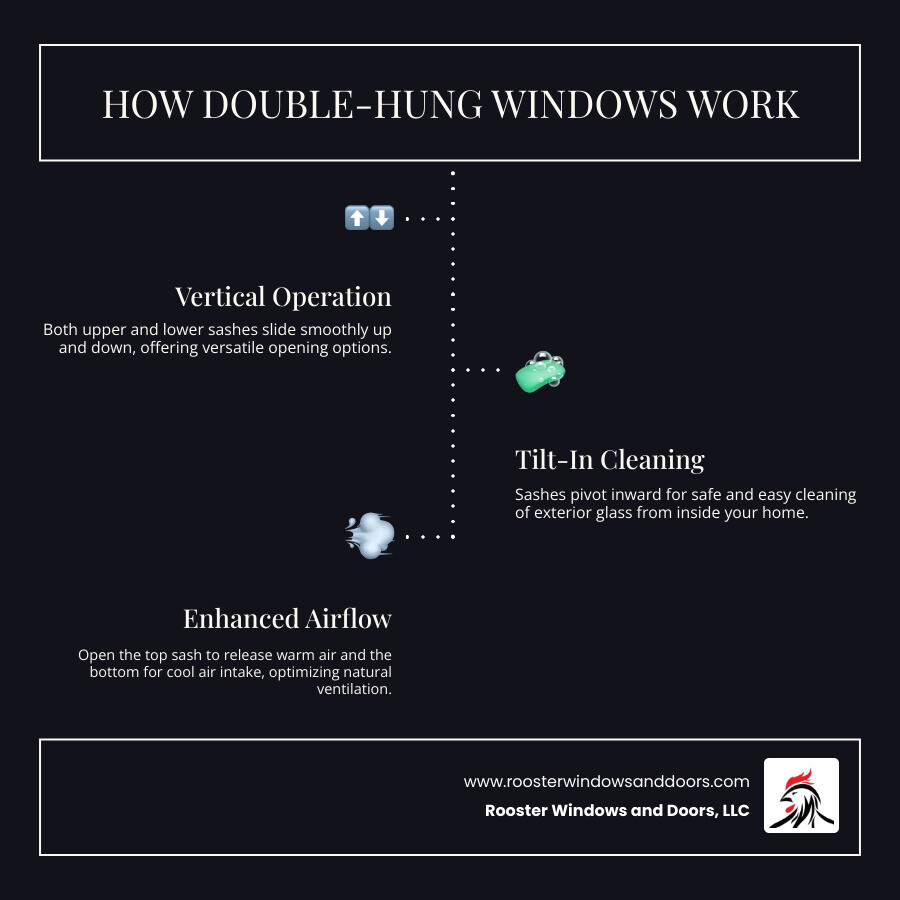
Double-hung windows offer something single-hung windows can’t: both sashes move. This means you can open the top sash to let hot air escape while opening the bottom sash to bring in cool air. The result? Better airflow and more comfortable rooms year-round.
The tilt-in feature makes cleaning a breeze. Both sashes tilt inward, so you can clean the exterior glass safely from inside your home, eliminating dangerous ladder work.
Modern double-hung windows also deliver impressive energy efficiency. With U-Factor values ranging from 0.25 to 0.41 and SHGC ratings from 0.12 to 0.46, you can find options suited to any climate. Lower numbers mean better performance—lower U-Factor keeps heat inside during winter, while lower SHGC blocks unwanted solar heat in summer.
I’m Piotr Wilk, and for over two decades I’ve installed double hung replacement windows for homeowners throughout the Chicagoland area. I’ve seen how the right windows, properly installed, can transform a home’s comfort and curb appeal.
Explore more about double hung replacement windows:
The Core Advantages of Double-Hung Windows
In Chicagoland, double hung replacement windows are a top choice for their blend of functionality, aesthetics, and comfort.
One of the primary benefits is their superior ventilation. Unlike single-hung windows where only the bottom sash moves, double-hung windows allow both the top and bottom sashes to operate. You can open the top sash slightly to let warm, stale air escape while opening the bottom sash to invite cooler, fresh air in. This natural convection current circulates air more effectively throughout your home and improves indoor air quality.
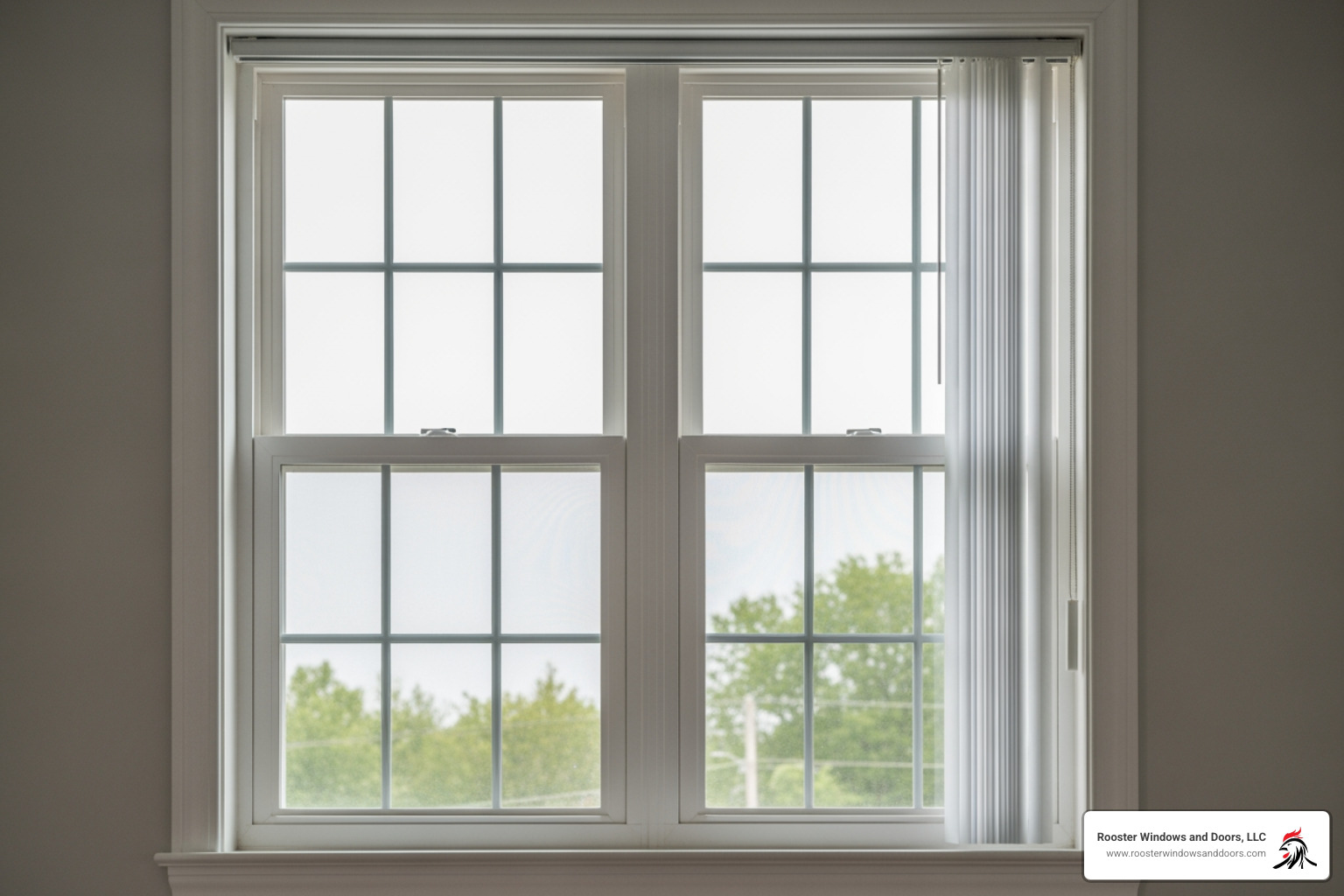
Another major advantage is ease of cleaning, especially for multi-story homes common across the Chicago area. Both sashes of a double-hung window typically tilt inward, so you can clean the exterior glass safely from inside your home and skip the ladder.
Their versatility is a big plus. Whether your home is a historic bungalow in Evanston or a modern build in Naperville, double-hung windows complement a wide range of architectural styles. They offer a timeless aesthetic that improves curb appeal and can contribute to your home’s overall value, all while giving you precise control over airflow and temperature.
For a deeper dive into how double-hung windows stack up against other styles, you can find more info about the differences on our blog.
Double-Hung vs. Single-Hung: What’s the Difference?
While often confused, double-hung and single-hung windows have distinct operational differences that impact their benefits:
- Single-Hung Windows: Only the bottom sash is operable, sliding up and down. The top sash remains fixed in place. This design can be slightly more efficient due to the fixed top sash, but it limits ventilation options and makes exterior cleaning of the top pane more challenging.
- Double-Hung Windows: Both the top and bottom sashes are operable and can slide up and down independently. This dual operation provides superior air circulation since you can open both sashes to create that beneficial convection current.
Cleaning access is a major differentiator. With double-hung windows, both sashes typically tilt inward, allowing you to clean the exterior glass from inside your home. This is particularly advantageous for upper-story windows or those in hard-to-reach places.
Modern double hung replacement windows also incorporate improved safety features. Many come with ventilation latches that allow you to partially open the window for airflow while preventing it from being opened further, helping maintain security.
To explore this comparison further, you can compare single- and double-hung windows in detail.
Key Features of Quality Double Hung Replacement Windows
When investing in double hung replacement windows, understanding their key features is crucial. These elements contribute to the window’s performance, durability, and ease of use:
- Tilt-In Sashes: Both the upper and lower sashes pivot inward, allowing effortless cleaning of the exterior glass from inside your home. No more balancing on a ladder to clean second-story windows.
- Advanced Locking Mechanisms: Modern double-hung windows are equipped with robust locking systems for improved security. These can include dual-action locks that unlatch the window and allow the sash to tilt in, eliminating exposed tilt latches for a cleaner look. You might also find limit latches that allow for partial ventilation while still providing anti-theft security. Other common options include metal cam locks, lift handles, and sweep locks. For a comprehensive overview, check out a complete guide to window locks.
- Sloped Sills: A well-designed sloped sill facilitates quick, efficient water drainage away from your home. This prevents water from pooling and potentially seeping into your wall structure, protecting your home from moisture damage during Chicago’s diverse weather.
- Durable Weatherstripping: High-quality weatherstripping is essential for preventing drafts and water infiltration. Look for multi-piece weatherstripping systems that provide a superior seal. This helps maintain consistent indoor temperatures and reduces outside noise.
- Counterbalance Systems: These systems, often spring-powered, make the sashes easy to open and close smoothly. They ensure that the window stays in place when opened and does not unexpectedly slide down, providing convenient and reliable operation for years.
Decoding Energy Efficiency for Your Home
Investing in double hung replacement windows is a strategic way to improve your home’s energy efficiency. High-performance windows can lead to lower energy bills, year-round comfort, and a reduced carbon footprint in the Chicagoland climate.
Windows are a significant factor in a home’s thermal performance. Old, inefficient windows can be major culprits for heat loss in winter and heat gain in summer, forcing your HVAC system to work harder. Modern, energy-efficient double-hung windows act as a barrier, keeping conditioned air inside and unconditioned air outside. This translates into savings on your heating and cooling bills and a more comfortable living space throughout the seasons.
To understand how much you can save, it’s important to look at specific energy performance ratings. You can also learn more about energy efficient window pricing to see how these savings can offset your initial investment.
Understanding Energy Performance Ratings
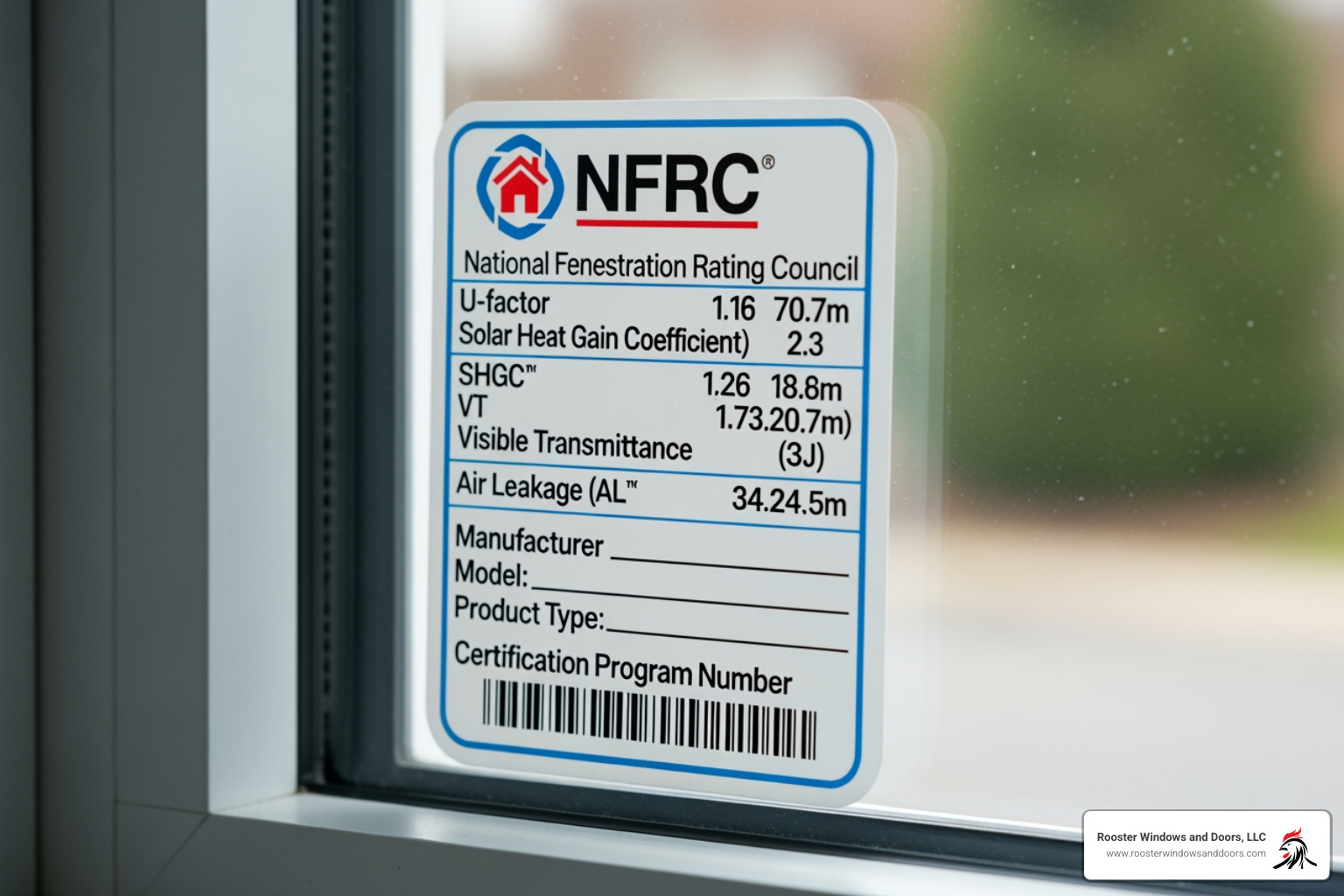
To gauge a window’s energy efficiency, you need to know its performance ratings. The National Fenestration Rating Council (NFRC) provides labels detailing these metrics:
- U-Factor: Measures the rate at which heat flows through a window (and its frame). A lower U-factor indicates better insulation, meaning the window is more effective at keeping heat inside during cold months and outside during warm months. For double-hung windows, U-factor values often range from about 0.25 to 0.41, with lower numbers being better for insulation.
- Solar Heat Gain Coefficient (SHGC): Indicates how much solar radiation passes through a window and is absorbed as heat. A lower SHGC means less solar heat gain, which is ideal for warmer climates to reduce cooling costs. In colder climates like Chicagoland, a moderate SHGC can be beneficial in winter to allow some passive solar heating. SHGC values for double-hung windows typically range from 0.12 to 0.46.
Windows may also be labeled as ENERGY STAR certified for specific zones of the country. This certification indicates that the window meets energy efficiency guidelines for your climate zone. For our region, choosing ENERGY STAR certified windows is a smart way to ensure solid performance.
Here is a simplified way to think about U-Factor and SHGC by climate type:
- Colder climates: Aim for the lowest U-factor you can reasonably afford, and choose an SHGC that allows some winter sun while avoiding excessive summer heat.
- Warmer climates: Still look for a low U-factor, but prioritize a lower SHGC to limit solar heat gain and ease the load on your air conditioner.
For Chicagoland, we generally recommend windows with a low U-factor to minimize heat loss during cold winters and an SHGC that balances blocking excessive summer heat with allowing helpful winter solar gain. Always check current Energy Star standards for our specific region.
Essential Glass and Coating Technologies
Beyond the frame, the glass itself plays a major role in a window’s energy performance. Modern double hung replacement windows often incorporate these technologies:
- Double-Pane Glass: Two panes of glass separated by a sealed air space. This air pocket acts as an insulator, reducing heat transfer compared to single-pane windows.
- Triple-Pane Glass: Uses three panes of glass with two sealed air spaces, providing superior thermal performance. While it comes at a higher cost, triple-pane glass can noticeably improve comfort and energy savings, especially in extreme climates. If you’re weighing this upgrade, see Are Triple Pane Windows Worth It?.
- Low-E Coatings: Low-emissivity (Low-E) glass features a microscopically thin, transparent metallic oxide coating applied to one or more surfaces of the glass. This coating allows visible light to pass through but reflects infrared (heat) energy. In winter, it helps keep heat inside, and in summer, it blocks heat from entering. Low-E coatings also help reduce harmful UV light, protecting your interior furnishings from fading.
- Argon Gas Fills: The spaces between glass panes are often filled with inert gases like argon instead of just air. Argon is denser than air and has better insulating properties, further reducing heat transfer through the window.
Understanding these technologies helps you select windows that deliver strong energy savings and comfort for your Chicagoland home. You can review the basics of insulated glass by looking at single vs double pane.
Materials and Customization: Designing Your Perfect Window
Your double hung replacement windows are a great opportunity to express your style. The right material and customization options can boost your home’s curb appeal, match its architectural style, and provide a personalized touch.
Whether you’re aiming for a classic look to complement a historic Elmhurst home or a sleek, modern aesthetic for a new build in Schaumburg, the choices you make for materials, colors, and design elements are crucial. A wide array of options is available so your new windows not only perform well but also look the way you want. To get a better idea of the possibilities, explore your options.
Comparing Common Window Frame Materials
Choosing the right frame material for your double hung replacement windows is a balance of aesthetics, maintenance, durability, and budget. Here are the most common options in the Chicagoland area:
- Vinyl Windows:
- Pros: Vinyl is popular due to its low maintenance requirements—it will not chip, peel, crack, or warp. It offers good insulation and energy efficiency, comes in a wide variety of sizes and shapes, and is generally the most cost-effective option.
- Cons: Some homeowners find vinyl’s aesthetic less traditional than wood, though advancements in finishes (like wood grain laminates) have narrowed this gap. Color options are typically factory-applied.
- Wood Windows:
- Pros: Wood provides natural beauty, warmth, and a classic aesthetic that many homeowners desire, especially for historic homes. It is an excellent insulator and can be painted or stained to match any interior design.
- Cons: Wood requires more maintenance, including periodic painting or staining, to protect it from rot, pests, and weathering. It is also typically more expensive. For lower exterior maintenance, wood windows can be clad with aluminum on the outside.
- Composite Windows:
- Pros: Composite materials, often a blend of wood fibers and polymers, offer the strength and stability of wood with the low-maintenance benefits of vinyl. They are highly durable, resistant to rot and insects, and offer solid energy efficiency.
- Cons: Composite windows are generally more expensive than vinyl, though they offer a premium feel and performance that can make sense for many homes.
Each material has its own advantages, and the best choice depends on your needs, architectural style, and maintenance preferences. For a broader understanding of window options, see a comprehensive guide to window options.
Personalizing with Colors, Grids, and Glass
Once you’ve selected your frame material, the real personalization begins. Double hung replacement windows offer many customization options to match your home’s character:
- Interior and Exterior Colors: You are no longer limited to basic white. A wide range of interior and exterior colors is available to complement your home’s palette. Some exterior finishes feature heat-reflective and impact-resistant technology to help prevent fading and warping. For interiors, options like wood grain finishes can provide the warmth of natural wood with lower upkeep.
- Grid Patterns: Grids (muntins or grilles) add architectural detail and can significantly change the appearance of your windows. Popular patterns include:
- Colonial: Traditional pattern with equally spaced squares.
- Prairie: Defines the perimeter of the glass with open space in the center.
- Open Prairie: Similar to Prairie but with larger open center areas.
- Diamond: Creates a distinctive diamond layout.
- No Grid: For a clean, unobstructed view.
Many modern windows feature grids between the insulated glass panes, which simplifies cleaning.
- Privacy Glass: For bathrooms, bedrooms, or any area where you want more privacy without sacrificing natural light, you can choose obscure, frosted, or textured glass that diffuses light and obscures views.
- Hardware Finishes: Locks, lift handles, and tilt latches come in finishes like brass, bronze, nickel, and chrome. These details help tie your window’s look to your interior design.
With these choices, you can create custom made windows that suit your Chicagoland home.
The Critical Role of Professional Installation for Double Hung Replacement Windows
Even the highest quality double hung replacement windows will underperform if not installed correctly. Professional installation is a critical investment that directly impacts the longevity, performance, and warranty of your new windows.
A precise installation ensures a weather-tight seal, preventing drafts, moisture infiltration, and unnecessary energy loss. It also helps your windows operate smoothly and efficiently for years. In the Chicagoland area, where we experience drastic temperature swings and harsh weather, careful installation is essential to protect your home and maximize your investment.
To dig deeper into what goes into a proper installation, you can learn about our installation services.
Why Expert Installation Matters
The benefits of expert installation extend far beyond simply putting a window in an opening:
- Avoiding Drafts: A poorly installed window can have small gaps around the frame, allowing cold air to leak in during winter and cool air to escape in summer. Expert installation ensures a tight, energy-efficient seal.
- Preventing Water Damage: Improper sealing can lead to water infiltration, which may damage your walls, insulation, and even structural components. Professional installers know how to create a robust barrier against moisture.
- Ensuring Proper Operation: Correct installation helps both sashes of your double-hung windows slide smoothly, tilt in easily, and lock securely. Misalignment can lead to sticking sashes, hardware issues, and compromised security.
- Maximizing Energy Efficiency: The energy performance ratings (U-factor, SHGC) of a window are achieved only if the window is installed correctly. An improper installation can undercut the benefits of energy-efficient glass and frame technologies. This is especially true for energy efficient installation, where air sealing and insulation around the opening are crucial.
Finding a Qualified Installer
Choosing the right installer for your double hung replacement windows is as important as choosing the windows themselves. Look for:
- Installer Certification and Training: Seek installers who hold industry certifications and have undergone manufacturer-specific training. Organizations like the American Window and Door Institute and Installation Masters offer certifications that indicate a high level of expertise.
- Insurance and Licensing: Always ensure your installer is properly licensed and insured. This protects you from liability in case of accidents or property damage during the installation process.
- Experience with Local Conditions: An installer familiar with Chicagoland’s climate and building codes will be better equipped to handle challenges unique to our region, from historic homes in Arlington Heights to brick structures in Chicago.
- Lead-Safe Certification: If your home was built before 1978, there may be lead-based paint on existing window frames. It is important to hire lead-safe certified contractors who are trained to handle and contain lead paint safely during renovation projects.
- Detailed Bids and Reviews: Get multiple bids that clearly outline the window brand, model, size, type, any add-on features, and specifics of the installation process. Check online reviews and ask for references to gauge a company’s reputation and customer satisfaction.
We, at Rooster Windows and Doors, ensure our team is highly trained and certified so you receive careful installation and peace of mind.
Understanding Value, Cost, and Long-Term Care
When considering double hung replacement windows, it is important to look beyond the initial purchase price and understand overall value. This includes potential return on investment, how they affect your home’s value, and the budgeting considerations for long-term care. For a comprehensive overview, see a guide to window replacement costs.
Typical Costs for Double Hung Replacement Windows
The cost of double hung replacement windows can vary based on several factors. In many Chicagoland projects, the price for a vinyl replacement window often ranges from about $425 to $2,100 per window, installed. This range reflects the impact of material choices, features, and project scope:
- Material Impact: Vinyl windows are generally the most affordable, offering strong value. Wood and composite windows, with their premium aesthetics and performance, tend to fall toward the higher end of the price spectrum.
- Features and Customization: More energy-efficient glass packages (such as triple-pane, specialized Low-E coatings, and argon gas fills), custom colors, unique grid patterns, and upgraded hardware will increase your project cost.
- Labor Costs: Installation labor is a significant component of the total cost. Factors like the complexity of the installation, the condition of existing frames, and any necessary prep work influence labor expenses.
- Project Scope: Replacing a single window will have a different cost per unit than a whole-home replacement, where economies of scale may apply.
Detailed, written bids that specify the window brand, model, size, type, add-on features, and installation specifics help you understand exactly what you are paying for. To help with budgeting, you can review How Much Does It Cost to Install Replacement Windows?.
Maintenance, Cleaning, and Warranty Insights
One of the advantages of modern double hung replacement windows is their relatively low maintenance, especially with vinyl options.
- Cleaning Tilt-In Sashes: Both sashes tilt inward, allowing you to easily clean both sides of the glass from inside your home. Use a mild cleaner and a soft cloth to keep the glass clear.
- Frame Maintenance: Vinyl frames are designed to be low maintenance, resisting chipping, peeling, cracking, and warping. A simple wipe-down with soap and water is usually enough. Wood frames, by contrast, require periodic painting or staining to protect them from the elements.
- Inspecting Seals: Periodically inspect the weatherstripping and seals around your windows. Over time, these can wear down and lead to drafts. Addressing issues promptly helps maintain energy efficiency.
- Window Warranty Coverage: Most high-quality double hung replacement windows come with a manufacturer’s warranty that typically covers defects in materials and workmanship. These warranties can range from set terms to so-called “lifetime” coverage, so it is important to read the details and understand any exclusions.
- Installation Warranty: Beyond the product warranty, a reputable installer will provide a warranty on their workmanship, often for a defined period. Having the same company handle both the purchase and installation of your windows helps avoid confusion over responsibility if an issue arises.
For more detailed tips on keeping your windows in top condition, refer to our Window Maintenance tips.
Frequently Asked Questions about Double-Hung Windows
Here are some common questions we receive about double hung replacement windows from homeowners in the Chicagoland area:
How do double-hung windows improve home ventilation?
Double-hung windows allow for optimal air circulation by opening the top sash to let warm air escape and the bottom sash to let cool air in. This creates a natural convection current, effectively drawing fresh air into your home and expelling stale air, leading to better indoor air quality and comfort.
Are double-hung windows secure?
Yes, modern double-hung windows are designed with security in mind. They feature advanced locking systems, such as dual-action locks, metal cam locks, and sweep locks, which securely fasten the sashes. Additionally, many models include ventilation latches that allow the window to be partially open for airflow while remaining securely locked, preventing forced entry.
How long do vinyl double-hung windows last?
With proper installation and maintenance, high-quality vinyl double-hung windows can last for 20 years or more. Vinyl is a highly durable material that is resistant to warping, cracking, peeling, and fading, making it an excellent long-term investment for your home.
Conclusion
Upgrading your home with double hung replacement windows brings a range of benefits, from improved beauty and better energy efficiency to increased home value. Their versatile design, ease of cleaning, and strong ventilation make them a smart choice for many Chicagoland homes.
The key to getting these benefits lies not only in selecting high-quality windows but also in ensuring professional installation. Careful installation supports optimal performance, longevity, and peace of mind for years to come.
For expert guidance and installation of your new double-hung windows, trust the team at Rooster Windows and Doors. We are dedicated to improving your home with top-tier products and attentive service. Explore our double-hung windows today and let us help you upgrade your view.
