

What Exactly is a Window Sash?
A sash window is a window design featuring one or more movable frames (called sashes) that hold the glass panes and slide vertically or horizontally within the main window frame. The sash is the actual movable component that allows you to open and close the window for ventilation, while the frame remains fixed to the wall structure.
Key Components of a Sash Window:
- Sash – The movable frame that holds the glass
- Rails – Horizontal sections of the sash (top and bottom)
- Stiles – Vertical sides of the sash
- Balance System – Mechanism using weights, cords, or springs to counterbalance the sash weight
- Locks – Hardware securing the sash when closed
The term “sash” might sound unfamiliar until you remember the famous line from ‘Twas the Night Before Christmas: “Away to the window, I flew like a flash / Tore open the shutters, and threw up the sash.” That sash is the part of the window that actually moves.
Why sashes matter: They control ventilation, allow natural light, provide emergency egress routes, and directly impact your home’s energy efficiency and security. A well-functioning sash creates an airtight seal when closed, preventing drafts and reducing energy costs. A damaged or poorly maintained sash does the opposite.
The oldest surviving sash windows date back to 1670s England, when pulleys and counterweights were first used to balance these movable frames. Over the centuries, sash windows became synonymous with Georgian and Victorian architecture, and they remain popular today for their classic appearance and practical ventilation control.
I’m Piotr Wilk, and for over two decades, I’ve specialized in residential sash window installation throughout the Chicagoland area, working with everything from historic single-hung designs to modern energy-efficient double-hung models. Whether you’re dealing with a century-old wooden sash or considering vinyl replacements, understanding how these movable parts work helps you make better decisions about maintenance and upgrades.

Sash window glossary:
Anatomy of a Sash Window: Understanding the Components
When we talk about a window, we’re actually referring to an intricate system of interconnected parts, each playing a vital role. The sash window is no exception, and understanding its anatomy is key to appreciating its function and ensuring its longevity. Let’s break down the main components.
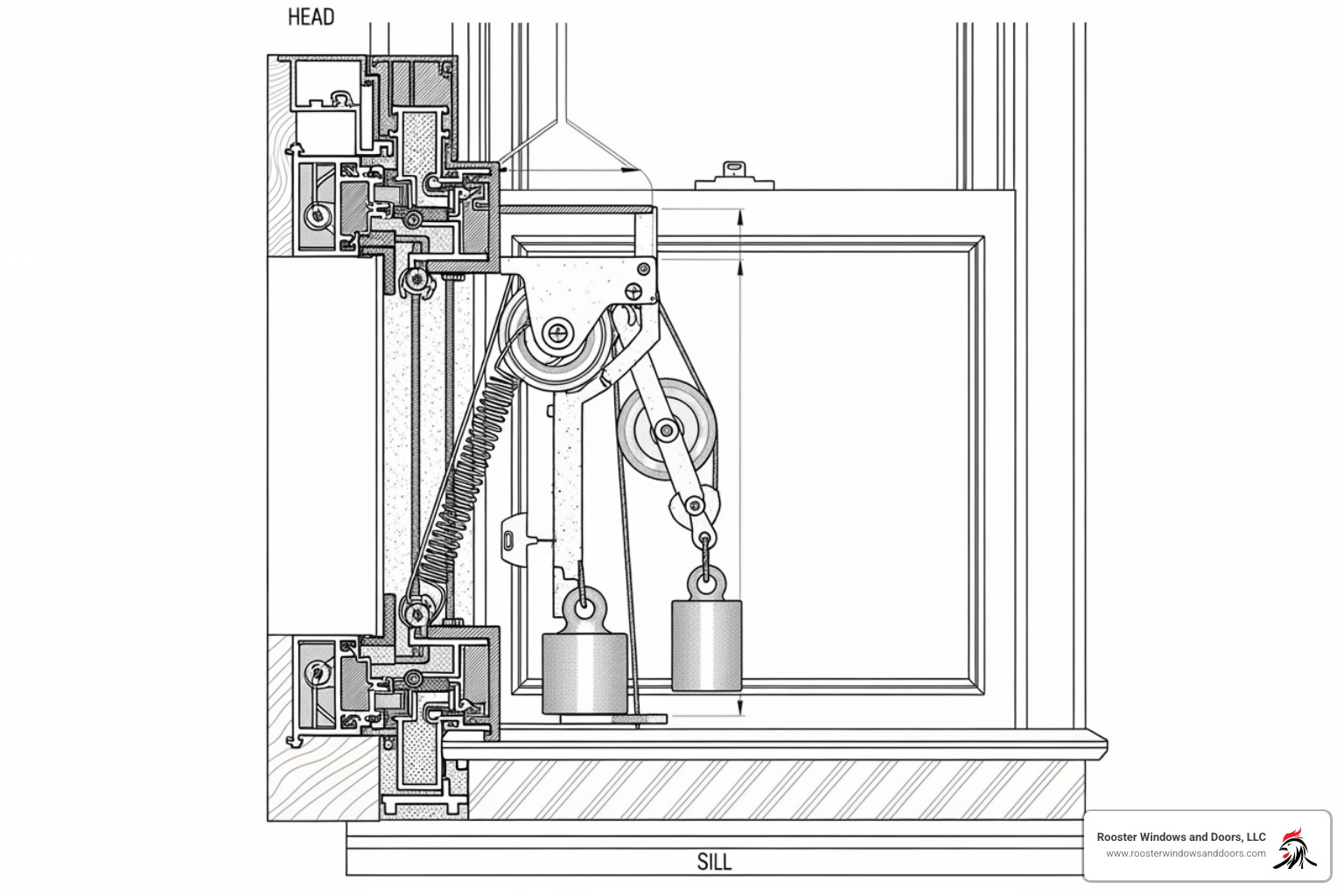
First, we have the Window Frame, which is the stationary outer structure that holds everything together. It’s built into the wall of your home and provides the structural support for the entire window system. The frame consists of:
- Head: This is the horizontal top part of the window frame. Think of it as the ‘head’ of the window.
- Jambs: These are the vertical side sections of the window frame. They provide the structural support and often contain tracks or channels for the sashes to slide within.
- Sill: Located at the very bottom, the sill is a horizontal piece of trim that supports the window and usually slopes downward to help drain water away from your home. It’s also that perfect spot for your houseplants!
- Casing: This refers to the decorative molding that trims the interior of the window, covering the area between the window frame and the wall.
- Apron: A decorative horizontal board attached to the wall directly below the interior sill, completing the interior trim.
Next, let’s dive into the Sash Components themselves. The sash is the star of the show – the movable framework that cradles the glass.
- Rails: These are the horizontal sections of the sash frame. You’ll find a top rail, a bottom rail, and in double-hung windows, a “meeting rail” or “check rail” where the two sashes meet when the window is closed. This meeting rail is often where the sash locks are located, creating a tight seal.
- Stiles: These are the vertical side sections of the sash frame, running from the top rail to the bottom rail. Together, rails and stiles form the grid that holds the glass.
- Glass (Glazing): This is the transparent part of the sash that lets light in and allows you to see out. Traditionally, sash windows had single panes, but modern sashes often feature double or even triple-pane glass for improved insulation. We’ll dig more into glazing later!
- Grilles (or Muntins): These are the decorative bars that divide the glass into smaller panes. Historically, they were structural, holding together smaller, more affordable pieces of glass. Today, they are usually decorative, either placed between the glass panes or applied to the surface to maintain a traditional look.
Finally, we have the Operating Mechanism, which allows the sash to move smoothly and securely:
- Balance System: This is the clever engineering that makes moving a heavy sash feel effortless. Traditional sash windows (especially “box sash windows”) use a system of sash cords (or chains for heavier sashes) running over pulleys, connected to heavy steel, lead, or cast-iron sash weights hidden within the window frame’s weight box. These weights counterbalance the sash, allowing it to stay open at any position. Modern sashes often use a spring-loaded “spiral balance” system concealed in the jamb liner, which serves the same counterbalancing purpose.
- Lifts: These are small handles or finger pulls typically found on the bottom rail of the lower sash, used to easily raise and lower the window.
- Tilt-Latch: A fantastic modern innovation, especially in double-hung sashes, the tilt-latch allows the sashes to tilt inward. This makes cleaning the exterior of the glass a breeze, all from the comfort and safety of inside your home.
- Sash Locks: Crucial for security and energy efficiency, these mechanisms secure the sashes when closed, preventing unwanted entry and ensuring an airtight seal to reduce drafts. Learn more about their importance in our Double Hung Window Locks Complete Guide.
Understanding these components helps you diagnose problems, communicate effectively with professionals, and make informed decisions about maintaining or upgrading your sash window.
A Journey Through Time: The History and Types of Sash Windows
The sash window isn’t just a functional part of your home; it’s a piece of living history. Its journey began centuries ago, evolving into the neat and practical design we know today.
The earliest surviving examples of sash windows were installed in England in the 1670s. This design was born in the late 1600s, when pulleys and weights were first applied to timber sashes to balance the weight of the individual frames, making them easy to open and close. While some credit Robert Hooke with its invention, others point to a Dutch origin, highlighting the fascinating 17th-century window development that shaped architecture.
These windows quickly gained popularity, becoming a hallmark of Georgian and Victorian architecture, especially in the 18th and 19th centuries. Early designs often featured smaller panes of glass held together by thick grilles, due to the high cost and limitations of glass manufacturing. A classic arrangement from this era was the “six-over-six” panel window, with three panes across and two up on each of the two sashes. As glass production improved and became more affordable, panes grew larger, leading to fewer grilles and the expansive views we often associate with modern windows.
Types of Window Sashes
While the term “sash window” often conjures an image of a vertically sliding window, there are actually several types, each with unique operational styles:
- Double-Hung: This is perhaps the most iconic sash window type, and a staple in many Chicagoland homes. In a double-hung window, both the top and bottom sashes are operable, meaning they can slide up and down independently. This offers superior ventilation control, allowing you to open the top sash to let warm air escape and the bottom sash to draw in cool air. Modern double-hung windows often feature tilt-in sashes for easy cleaning. Dive deeper into this versatile style with our Double Hung Windows Complete Guide.
- Single-Hung: Similar in appearance to a double-hung, a single-hung window has only one operable sash – typically the bottom one – while the top sash remains fixed. This design is often a more cost-effective option, providing ventilation while maintaining the classic aesthetic. For a detailed comparison, check out our guide on Double Hung vs Single Hung Windows.
- Sliding Windows: Instead of moving vertically, the sashes in a sliding window operate horizontally, gliding along a track. These are excellent space-saving options, as they don’t protrude outwards or inwards, making them ideal for areas like above a kitchen sink or where outward clearance is limited.
- Casement Windows: While not always immediately identified as a “sash window” in the sliding sense, casement windows feature sashes that are hinged at the side and open outward (or sometimes inward) with a crank mechanism. They create an excellent airtight seal when closed and, when fully open, can effectively catch and direct breezes into your home. Explore the variety of this style in our Types of Casement Windows.
Advantages and Disadvantages of the Sash Window
Like any home feature, sash windows come with their own set of pros and cons.
Advantages:
- Classic Aesthetic: They offer a timeless, neat look that improves the architectural character of many homes, especially older properties in areas like Aurora, Evanston, or Lake Forest.
- Excellent Airflow Control: Double-hung sashes, in particular, allow for superb ventilation by enabling warm air to escape through the top opening while drawing in cooler air through the bottom.
- Easy to Clean (Tilt-In Models): Modern double-hung sashes often feature tilt-in mechanisms, making it simple and safe to clean both sides of the glass from inside your home.
Disadvantages:
- More Complex Parts: Traditional sash windows with their weights and pulleys have more moving parts, which can sometimes lead to issues if not properly maintained.
- Potential for Drafts in Older Models: Without proper maintenance or upgrades like weatherstripping, older wood sash windows can be prone to drafts, impacting energy efficiency.
- Higher Maintenance for Wood: While beautiful, wood sashes require regular painting or staining to protect them from the elements, which can be a significant commitment.
Understanding these aspects helps us guide our Chicagoland clients to the best sash window solutions for their specific needs and preferences.
Materials Matter: Choosing the Right Sash for Your Home
When it comes to your sash window, the material it’s made from plays a colossal role in its performance, appearance, and how much (or how little) effort you’ll need to put into its upkeep. Choosing the right material is crucial for durability, maintenance, energy efficiency, and overall aesthetics, especially with Chicagoland’s diverse weather patterns, from humid summers to harsh winters.

Here’s a comparison of the most common materials for window sashes:
| Material | Pros | Cons | Maintenance | Lifespan |
|---|---|---|---|---|
| Wood | Traditional beauty, excellent insulator, can be painted/stained. | Requires regular painting/staining, susceptible to rot, warping, swelling, and insect damage. | High (regular painting/staining, inspection for rot). | 20-60+ years with diligent maintenance. |
| Vinyl (uPVC) | Low maintenance, excellent insulator, durable, moisture-resistant. | Can warp in extreme heat (though modern vinyl is more stable), limited color options compared to wood. | Low (occasional cleaning). | 20-40+ years. |
| Fiberglass | Extremely durable, strong, stable, excellent insulator, low maintenance. | Higher upfront cost than vinyl, fewer color options than wood. | Low (occasional cleaning). | 30-50+ years. |
It might not surprise you to learn that over 50% of all window sashes made in the US as of 2017 were vinyl. This statistic speaks volumes about the material’s popularity, and for good reason! Vinyl (or uPVC) offers incredible benefits, especially for homeowners in the Midwest. Its low maintenance nature means you won’t be spending your weekends scraping and painting, and its waterproof properties make it highly resistant to the moisture and temperature fluctuations common in our region. Modern vinyl sashes, often with fiberglass-reinforced frames and foam insulation, provide exceptional energy efficiency, contributing to lower heating and cooling bills. You can explore more about how materials impact your budget on our Energy Efficient Window Prices page.
Wood sashes, on the other hand, offer an undeniable traditional beauty and architectural interest. They are a classic choice for historic homes in areas like Lake Forest or St. Charles. However, wood demands commitment. It requires regular painting or staining to protect it from the elements, which can be a significant chore. Without this diligent care, wood is susceptible to rot, swelling, and warping, particularly in our humid summers and wet springs.
Fiberglass and composite sashes represent a fantastic blend of durability and low maintenance. Fiberglass is incredibly strong, stable, and an excellent insulator, making it a top-tier choice for energy efficiency. While its upfront cost might be higher than vinyl, its longevity and minimal maintenance requirements often make it a worthwhile investment for homeowners seeking a premium, long-lasting solution.
The “best” material depends on your priorities, your home’s style, and your budget. We work with all these materials, ensuring our clients in Arlington Heights, Naperville, and across Chicagoland find the perfect match for their home’s sash window needs.
Care and Replacement: Keeping Your Sash Window in Top Shape
A well-maintained sash window can provide decades of reliable service, enhancing your home’s beauty and comfort. But like any working part of your home, sashes need a little love and attention. Knowing how to care for them, and when to consider repair or replacement, is crucial.
Proper Sash Window Maintenance
Regular maintenance can significantly extend the life of your sash window and prevent minor issues from becoming major headaches. Here’s what we recommend:
- Regular Cleaning: Keep both the glass and the sash frames clean. For modern sashes with tilt-in features, this is a breeze. For older, non-tilting sashes, ensure you clean safely, especially when working at height. Cleaning isn’t just for aesthetics; it also allows you to inspect the window for developing issues.
- Checking for Drafts: Periodically check around the sashes for drafts, especially as seasons change. A simple trick is to hold a lit candle or incense stick near the closed window; if the flame flickers or smoke wavers, you have a draft. This could indicate worn weatherstripping or a poor seal.
- Inspecting Seals and Caulking: Over time, the sealant around your window panes and frame can crack, shrink, or deteriorate. Inspect these areas annually and re-caulk or replace seals as needed to prevent water infiltration and air leaks.
- Lubricating Tracks: For sliding sashes, a little lubrication can go a long way. Use a silicone-based spray lubricant on the tracks or channels to ensure smooth operation. For traditional weighted sashes, ensure the cords aren’t frayed and the pulleys move freely.
- Painting Wood Sashes: If you have traditional wood sashes, regular painting is non-negotiable. We recommend repainting every 5-7 years, or sooner depending on exposure to the elements. This protective layer is vital for preventing moisture absorption, which can lead to rot and warping. Our comprehensive Window Maintenance guide offers more tips.
Signs You Need Repair or Replacement
Even with the best maintenance, windows eventually show their age. Here are common signs that your sash window might need professional attention:
- Difficulty Opening/Closing: If your sash sticks, jams, or requires excessive force to operate, it’s a clear sign something is amiss. This could be due to a warped frame, swollen wood (a common issue with older wood sashes in the Chicagoland climate), or issues with the balance system.
- Drafts or Leaks: Feeling a breeze when your window is closed, or noticing water stains around the frame after rain, indicates a compromised seal. This means your window is no longer effectively insulating your home, leading to higher energy bills.
- Rot or Decay in Wood: For wood sashes, inspect for soft spots, discoloration, or crumbling wood, especially on the sill and lower rails. Rot compromises the structural integrity and can spread if not addressed promptly.
- Condensation Between Panes: This is a tell-tale sign of a broken seal in double or triple-pane windows. The gas between the panes has escaped, allowing moisture to enter and condense. Once this happens, the insulating properties of the window are severely diminished. Learn more about fixing this in our Condensation on Windows article.
- Broken Seals: Beyond condensation, visible gaps or cracks in the sealant around the glass or frame mean the window isn’t performing as it should.
- Rattling: A rattling sash, especially in windy conditions, often indicates shrinkage of the wood or loose components. While sometimes a minor fix, it can also point to larger structural issues.
If you’re noticing any of these signs in your home in Elgin, Joliet, or any of our service areas, it’s time to consider your options.
Considerations for Replacement
When faced with a failing sash window, you have a big decision: repair or replace? Sometimes, a simple repair is sufficient, but often, replacement offers the best long-term value and performance.
- Sash-Only vs. Full Window Replacement: If your existing window frame is structurally sound, square, and free from rot or significant damage, replacing only the sashes can be a cost-effective solution. This is often referred to as a “retrofit” installation. However, if the frame itself is compromised – warped, rotted, or bent – a full window replacement, where the entire unit (frame and sashes) is removed and replaced, is the best course of action for optimal performance and longevity. Our Window Replacement services can help you determine the best approach. You can also get a sense of costs with our Cost to Replace a Window Ultimate Guide.
- Older Homes & Architectural Integrity: For older homes in areas like Lake Bluff or Hinsdale, maintaining architectural integrity is often a priority. We specialize in custom solutions that replicate the look of original sash windows while incorporating modern performance benefits. If your home is brick, we also have specialized expertise in Replacing Windows in a Brick House.
- Glazing Options: This is where modern sash windows truly shine in terms of energy efficiency.
- Single Pane: The traditional choice, offering minimal insulation.
- Double Pane: Two panes of glass with an insulating gas (like argon or krypton) sealed between them. This significantly reduces heat transfer and improves energy efficiency. See how it compares in Single Pane vs Double Pane.
- Triple Pane: Three panes of glass with two insulating gas-filled spaces. This offers the highest level of insulation, noise reduction, and energy savings, making it an excellent investment for homes in our cold Illinois winters. Find out if Are Triple Pane Windows Worth It? for your home.
- Low-E Coatings: These microscopic metallic coatings reflect infrared heat, keeping your home warmer in winter and cooler in summer, while still allowing visible light through.
Making these decisions can feel daunting, but our team at Rooster Windows and Doors is here to provide expert guidance, ensuring you choose the right solution for your home in Chicagoland.
Frequently Asked Questions about Sash Windows
We often hear similar questions from homeowners curious about their sash windows. Here are some of the most common ones, answered with our expertise:
How do double-hung sash windows improve ventilation?
Double-hung sash windows are masters of natural ventilation, utilizing a principle called convection. When you open both the top and bottom sashes simultaneously, warm, stale air, which naturally rises, escapes through the upper opening. At the same time, cooler, fresher air is drawn into the room through the lower opening. This creates a continuous flow of air, efficiently circulating and refreshing your indoor environment without the need for air conditioning, especially on mild days in Aurora or Naperville. It’s a simple yet highly effective design for maintaining comfortable indoor temperatures.
Can I replace just the sash instead of the whole window?
Yes, in many cases, you absolutely can replace just the sash! This is a popular option, especially if your existing window frame is still in excellent condition – meaning it’s structurally sound, square, and free from rot or significant damage. Replacing only the sash can be a more cost-effective and less invasive solution than a full window replacement. Many manufacturers offer replacement sashes that can be fitted into existing frames. However, if the entire window unit, including the frame, is compromised (e.g., extensive rot, severe warping, or insect damage), a full frame replacement is usually the best long-term solution to ensure optimal performance and avoid recurring problems. To understand the potential costs involved, consult our Cost to Replace a Window Ultimate Guide. We can help you assess your current windows and recommend the most suitable approach.
Are modern sash windows energy-efficient?
Absolutely! While older, single-pane wood sash windows can be energy hogs, modern sash windows have come a long way in terms of thermal performance. Today’s sashes, especially those we install throughout Chicagoland, incorporate advanced materials and technologies designed for superior energy efficiency:
- Advanced Materials: Vinyl and fiberglass sashes offer excellent insulation properties, resisting heat transfer far better than traditional wood or aluminum. Many vinyl sashes are also reinforced with fiberglass and foam insulation for improved performance.
- Double/Triple Glazing: This is one of the biggest leaps in energy efficiency. Instead of a single pane of glass, modern sashes feature two or three panes with sealed, insulating gas (like argon or krypton) between them. This gas is denser than air and significantly reduces heat conduction.
- Low-E Coatings: These microscopic, transparent metallic coatings on the glass reflect infrared heat. This means they keep heat inside during the cold Illinois winters and reflect solar heat away during the hot summers, reducing your heating and cooling loads.
- Warm-Edge Spacers: These separate the glass panes and reduce heat transfer at the edge of the glass unit, further improving overall window performance.
- Superior Weatherstripping: Modern sashes are equipped with high-quality weatherstripping that creates a tight seal when the window is closed, preventing drafts and air infiltration.
These features, combined with professional Energy Efficient Window Installation, mean that modern sash windows can be incredibly energy-efficient, helping you save on utility bills and maintain a comfortable indoor environment year-round.
Conclusion: Lift Your Home with Flawless Window Installation
We’ve journeyed through the intricate world of the sash window, from its historical roots in 17th-century England to the cutting-edge materials and energy-efficient designs available today. We’ve seen how every component, from the humble sash cord to the advanced glazing, plays a critical role in its function and aesthetic appeal. Understanding these movable parts isn’t just academic; it empowers you to make informed decisions for your home, ensuring comfort, security, and beauty for years to come.
At Rooster Windows and Doors, we understand that your windows are a significant investment in your home’s value and your family’s comfort. That’s why we’re committed to providing high-quality, flawless, and energy-efficient installations throughout Libertyville, Chicago, and all across Chicagoland. Whether you’re looking to restore the historical charm of an older property, improve energy efficiency, or simply upgrade your home’s aesthetic, our team of experts is here to guide you every step of the way. We offer a wide variety of options to suit your specific needs, always focusing on exceptional craftsmanship and customer satisfaction.
Don’t let worn-out sashes detract from your home’s appeal or drive up your energy bills. Let us help you experience the difference that a perfectly installed sash window can make.
Explore our Double Hung Windows and find the perfect blend of timeless elegance and modern performance for your home.
