

Why Your Window Trim Deserves More Attention Than You Think
Exterior window trim replacement is a critical home maintenance task that protects your home from water damage, improves energy efficiency, and dramatically improves curb appeal. Whether you’re dealing with rotting wood, cracked caulk, or simply want to upgrade your home’s appearance, understanding the replacement process and material options will help you make informed decisions.
Quick Answer: When to Replace Exterior Window Trim
- Signs of damage: Rot, cracks, peeling paint, warping, or soft spots
- Typical lifespan: 10-20 years for wood, 20-50+ years for synthetic materials
- Best materials: PVC/vinyl (low maintenance), composite (durability), wood (traditional look), aluminum-clad (longevity)
- Average cost: $350-$500 per window professionally installed
- Process time: 2-4 hours per window for professionals, full day for DIY
As one homeowner finded, “All it takes is wood, water, and warmth, and before you know it, solid lumber turns to mush.” This simple reality affects thousands of homes every year. Your window trim isn’t just decorative—it’s your home’s first line of defense against moisture infiltration, pest entry, and energy loss.
When trim fails, the consequences extend far beyond aesthetics. Water can seep behind your sheathing, leading to mold growth, rotting insulation, and even structural damage to framing members. In one documented case, missing flashing around a window led to $60,000 in repairs, including shoring up the home and removing two floors of wall systems.
The good news? Most trim problems are preventable with quality materials, appropriate design, and proper installation. Understanding your options—from traditional wood to modern PVC and composite materials—helps you choose a solution that fits your home’s style, your climate, and your maintenance preferences.
I’m Piotr Wilk, and for over two decades I’ve been installing windows and doors throughout the Chicagoland area, helping homeowners steer exterior window trim replacement decisions that protect their investments. At Rooster Windows and Doors, we’ve seen how the right trim choice and proper installation techniques can prevent costly repairs down the road.
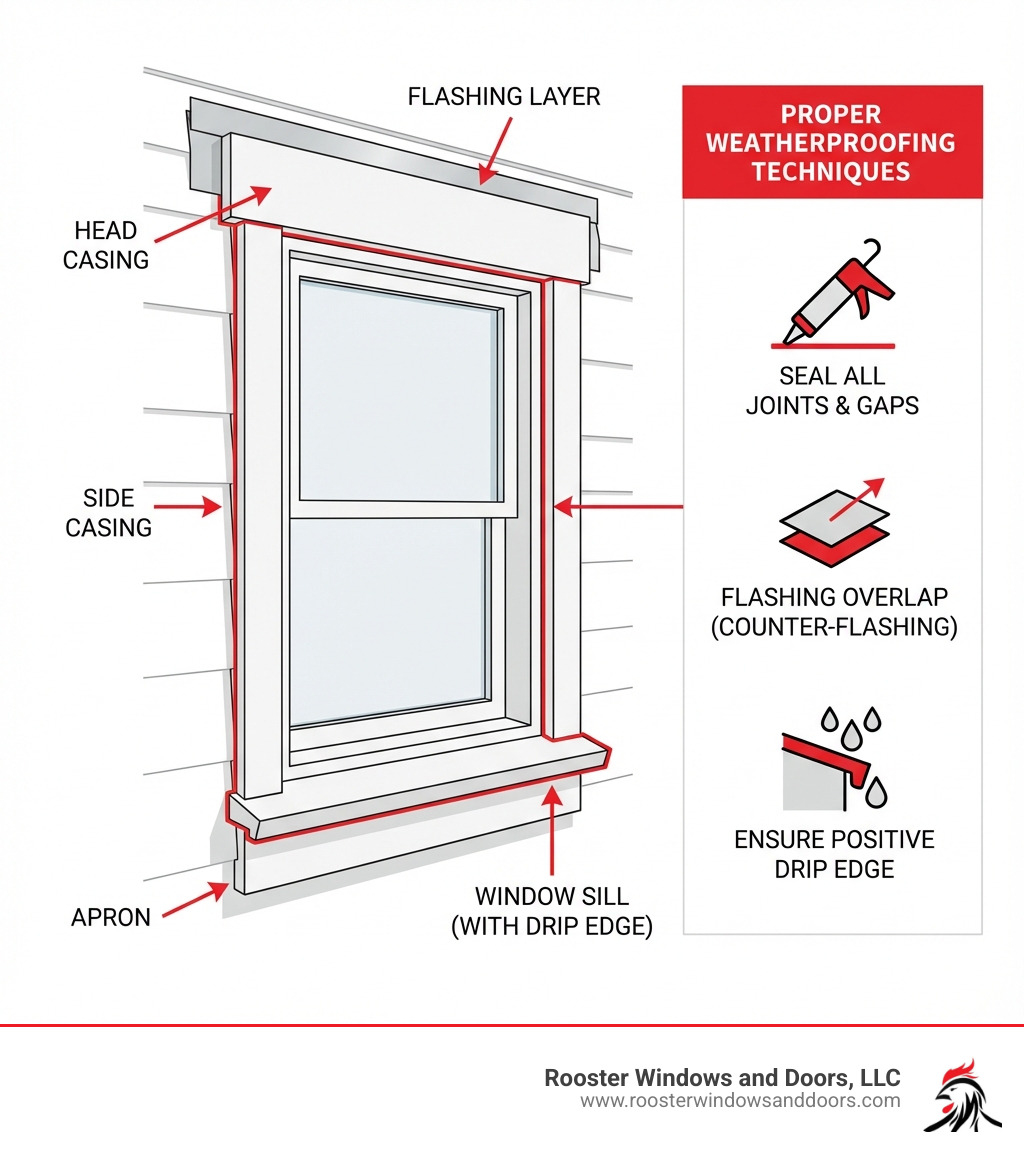
Exterior window trim replacement terminology:
- how much does it cost to install replacement windows
- install replacement windows
- replacement mullions for windows
Spotting the Signs & Understanding the Stakes
Your home’s exterior window trim isn’t just a pretty frame; it’s a vital component of your home’s envelope, working tirelessly to keep the elements out and comfort in. But like any part of your home, it’s susceptible to wear and tear. Recognizing the early signs of damage can save you from costly repairs down the line. We often see issues like rotting wood, cracked caulk, peeling paint, water damage, warping, fading, increased energy bills, drafty windows, and even pest infestation. These are all clear indicators that it might be time to consider an exterior window trim replacement.
For more information on keeping your windows in top shape, explore our Window Services.
Common Issues That Signal a Need for Replacement
When we assess a home in Libertyville, Chicago, or any of our Chicagoland service areas, here’s what we look for to determine if exterior window trim replacement is necessary:
- Visible Rot and Decay: This is perhaps the most obvious sign. If you can poke the wood trim and it feels soft, spongy, or crumbles, it’s rotting. Wood is not supposed to resemble a sponge! This often starts in areas prone to moisture, like windowsills and drip caps.
- Gaps Between Trim and Siding: Over time, trim can shrink, warp, or pull away from your home’s siding, creating gaps. These openings are an open invitation for water, insects, and air drafts.
- Soft Spots in Wood Trim: Even if not visibly rotted, soft spots indicate moisture infiltration and deterioration beneath the surface. Probing suspect areas with a screwdriver or awl can reveal this hidden damage.
- Mold or Mildew Growth: Persistent mold or mildew on or behind your trim signals chronic moisture problems that need addressing.
- Water Stains on Interior Walls Near Windows: This is a critical red flag. If water is getting past your exterior trim and into your wall structure, you’ll likely see evidence inside your home.
- Damaged Flashing: Flashing is a crucial weatherproofing component. If it’s corroded, torn, or improperly installed, it won’t direct water away from your window, leading to trim damage and potential structural issues.
How Damaged Trim Impacts Your Home’s Health and Value
Ignoring damaged exterior window trim is like ignoring a leak in your roof—it only gets worse and more expensive.
- Moisture Intrusion Risks: Compromised trim allows water to penetrate your home’s exterior envelope. This leads to wood rot not just in the trim itself, but potentially in the wall sheathing, framing, and insulation. Moisture also creates an ideal environment for mold and mildew, which can pose health risks.
- Structural Damage Potential: As mentioned earlier, severe moisture intrusion can lead to significant structural damage. We’ve seen cases in the Chicagoland area where neglected trim issues have resulted in extensive repairs, costing homeowners thousands, sometimes tens of thousands of dollars.
- Decreased Curb Appeal: Cracked, peeling, or faded trim detracts significantly from your home’s aesthetic. It can make an otherwise beautiful house look neglected and outdated, impacting how neighbors and potential buyers perceive your property.
- Lowered Property Appraisal: A home with visible exterior damage, including poor window trim, will likely receive a lower appraisal value. This can be a major hurdle if you’re looking to sell or refinance.
- Energy Loss: Damaged trim means compromised seals around your windows. This allows conditioned air to escape and unconditioned air to enter, leading to drafty windows and higher energy bills. While the trim’s direct contribution to energy efficiency is often seen as minimal compared to the window itself, a well-installed trim is crucial for sealing drafts and leaks, helping regulate indoor temperatures.
Don’t let trim issues lead to bigger problems. If you’re seeing signs of damage around your doors, similar issues can arise. Learn about Door Frame Repair for related concerns.
A Guide to Exterior Window Trim Materials
When it comes to exterior window trim replacement, the material you choose is paramount. It impacts durability, maintenance, aesthetic appeal, and how well it stands up to the diverse Chicagoland weather.
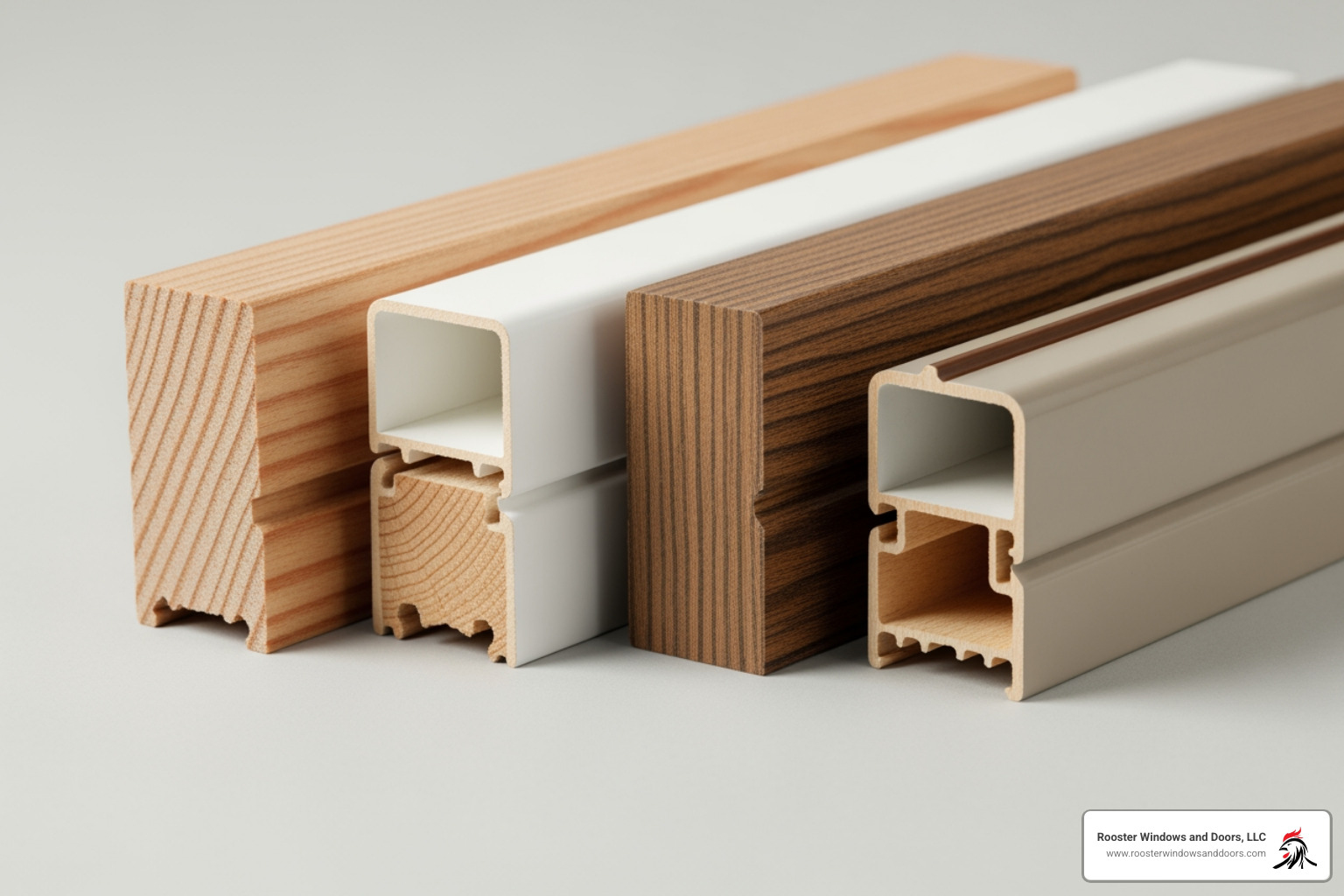
Let’s explore the most common options available for your home.
Wood Trim: The Classic Choice
Wood trim offers a timeless aesthetic that many homeowners adore. It’s available in beautiful and durable pine or oak species, and can even be found in more rot-resistant varieties like cypress.
- Benefits: Wood provides a traditional, warm, and customizable look. It can be painted or stained to match any home aesthetic, from Colonial to Craftsman.
- Drawbacks: The main downside is its high maintenance. Traditional woods are susceptible to moisture issues, cracking, bubbling, and bleed-through if not properly maintained. They are also vulnerable to rot fungi and pests. Under harsh weather conditions, untreated wood trim may need replacement every 5-10 years.
- Lifespan: With meticulous care, including regular painting, staining, and sealing on all six sides before installation, wood trim can last 20+ years.
- Maintenance: Expect regular inspections, cleaning, and repainting or re-staining every few years to protect it from the elements.
PVC/Vinyl Trim: The Low-Maintenance Option
For those seeking durability with minimal upkeep, PVC (polyvinyl chloride) or vinyl trim is an excellent choice. This material has gained immense popularity in our service areas due to its resilience.
- Benefits: PVC/vinyl is moisture-resistant, rot-proof, and impervious to insects. It won’t darken, warp, or discolor with age, and typically requires only occasional cleaning. It’s often more affordable than high-end wood. Cellular PVC trim, in particular, looks and cuts like wood but won’t rot.
- Drawbacks: While often available in various colors, options might be more limited than custom-painted wood. It can expand and contract with temperature changes, necessitating specific installation techniques.
- Lifespan: High-quality PVC or vinyl trim can last an impressive 20-30+ years, significantly outlasting untreated wood.
- Eco-friendly options: Some vinyl products are recyclable, contributing to more sustainable building practices.
Composite and Fiber Cement Trim
These engineered materials combine the best attributes of various components to create highly durable and low-maintenance trim options.
- Benefits: Composite and fiber cement trims are extremely durable, resisting rot, insects, and moisture. They hold paint exceptionally well, leading to a longer-lasting finish. They offer a stable alternative to wood without the same maintenance demands.
- Drawbacks: These materials can be heavier than wood or vinyl, potentially making installation more challenging. They also tend to be more expensive upfront.
- Lifespan: Expect these robust materials to last 25-50+ years with proper installation.
- Maintenance: Minimal maintenance is required, usually limited to occasional cleaning and repainting when the finish starts to wear.
Aluminum-Clad Wood Trim
Aluminum-clad wood trim offers a beautiful blend of natural aesthetics and modern durability. This option is commonly seen on high-quality windows, including those from leading manufacturers.
- Benefits: You get the warmth and traditional look of wood on the interior (if it’s a window component, not just trim) coupled with the robust protection of an extruded aluminum exterior. This aluminum cladding resists chalking and fading, providing a long-lasting, low-maintenance finish. Factory-applied exterior trim can also save time on window projects.
- Drawbacks: This is generally a higher-cost option due to the quality of materials and manufacturing. Installation can also be more complex.
- Lifespan: Aluminum-clad trim is designed for longevity, often lasting 40+ years.
- Maintenance: Very low maintenance is required, thanks to the durable factory finish.
The Complete Exterior Window Trim Replacement Process
Starting on an exterior window trim replacement project, whether for one window or your entire home, requires careful planning and execution. It’s a task that significantly impacts your home’s protection and appearance.
Deciding Between DIY and Hiring a Professional
Many homeowners in our service areas ponder whether to tackle trim replacement themselves or call in the experts. Here’s how we advise them:
- Skill Level Assessment: While a basic trim replacement might seem straightforward, it involves precise measurements, cuts, proper flashing, and sealing—skills that come with experience. We’ve seen many DIY attempts where trim is installed backward, upside down, or with the wrong material, leading to moisture issues down the road.
- Time Commitment: A single window’s trim replacement can take a DIYer a full day, especially if unexpected rot is finded. Professionals can often complete this in 2-4 hours.
- Tool Requirements: Do you have a pry bar, circular saw, miter saw, drill, caulk gun, and various safety gear? If not, the cost of tools can quickly add up.
- Risks of Improper Installation: The biggest risk is not adequately sealing the window, which can lead to continued or new water damage. Ignoring hidden damage to the underlying structure can lead to more severe and costly problems later.
- Benefits of Professional Window Installation: When you hire us, you get our expertise in material selection, precise installation, and proper weatherproofing techniques. We ensure correct fit, finish, and effective sealing against the elements, often backed by warranties. The local rate for replacing exterior window trim can range from $350-$500 per window, but this investment often saves you significant headaches and expenses in the long run.
Step-by-Step Guide to Exterior Window Trim Replacement
If you’re considering a DIY approach to exterior window trim replacement, resources like WikiHow’s guide on how to replace an exterior window trim can provide a detailed walkthrough. Below is a general overview of the professional process we follow, which ensures a durable and beautiful result:
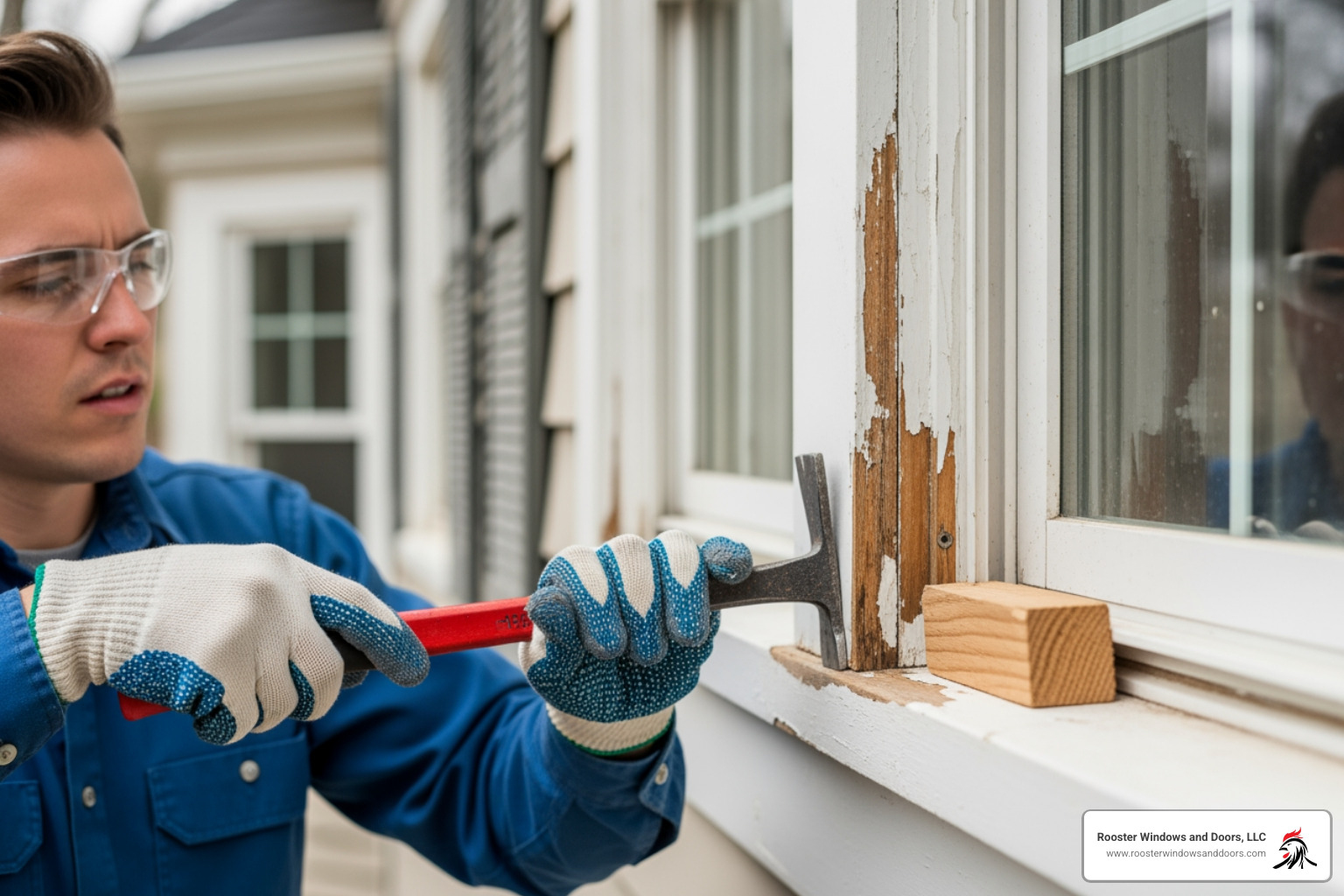
- Removing Old Trim: We start by carefully cutting through any caulk or paint sealing the old trim with a utility knife. Then, using a pry bar and a wood block (to protect your siding), we gently lever the old trim pieces away. For stubborn nails or screws, a reciprocating saw might be used.
- Inspecting for Damage: Once the old trim is off, we carefully inspect the window frame, wall sheathing, and any existing flashing for signs of water damage, rot, or mold. This is a crucial step; ignoring hidden damage now can lead to major problems later. Any compromised wood is repaired or replaced.
- Measuring and Cutting New Trim: Precise measurements are key. We measure each window opening to determine the exact length and width needed for the new trim pieces, often adding an extra 1/8 inch to each dimension for caulk and easy installation. Using professional tools like miter saws and circular saws with carbide-tipped blades, we cut the new trim to size, ensuring clean, straight cuts.
- Installing Flashing and Weatherproofing: This is where we create your home’s vital defense. We fill any large gaps around the window with expanding foam specifically designed for windows and doors. Then, we apply adhesive-backed window flashing over exposed wall areas, ensuring it’s layered from bottom to top so water can travel down and not find upward-facing seams. This directs water away from vulnerable areas, preventing future rot.
- Attaching New Trim Boards: Before attachment, if using wood trim, we prime, paint, or seal all six sides (including cut ends) to maximize weather resistance. We pre-drill nail holes in the trim pieces to prevent splitting. Then, we carefully position and attach the new trim, typically starting with the top piece, securing it with corrosion-resistant fasteners like galvanized finish nails (for wood) or stainless steel trim-head screws (for PVC/composite). We ensure each piece is level and securely fastened.
- Caulking and Sealing: Once the trim is in place, we apply a high-quality exterior UV-rated paintable silicone caulk to all joints—where the trim meets the siding and where trim pieces meet each other. We also “back caulk” the trim before installation with a high-grade adhesive caulking to fill voids and protect joints. Smoothing the caulk beads with a moist finger ensures a clean, professional line.
- Priming and Painting: For wood or paintable composite/PVC trim, we ensure all surfaces are ready for finishing. This typically involves light sanding (220-grit sandpaper) to create a smooth surface, removing dust with a tack cloth, and then applying a coat of high-quality acrylic exterior primer. Finally, we apply two coats of acrylic exterior-grade paint, allowing adequate drying time between coats, for optimal protection and aesthetic appeal.
Best Practices for a Long-Lasting Installation
Our goal at Rooster Windows and Doors is to provide installations that stand the test of time. Here are some best practices we employ for every exterior window trim replacement project in the Chicagoland area:
- Proper Flashing Techniques: We adhere strictly to “bottom-up” flashing principles, ensuring each layer overlaps correctly to shed water effectively. We install flashing around window flanges and under sills to prevent moisture from reaching the wall structure.
- Using High-Quality Exterior Caulk: We only use premium, exterior-grade, UV-rated, paintable silicone or polyurethane caulks that remain flexible and durable through extreme temperature swings.
- Sealing All Joints and End Grains: For wood trim, every cut end and joint is pre-primed and sealed. This prevents water absorption, which is a major cause of rot, as end grain can wick up water like a celery stalk.
- Using Corrosion-Resistant Fasteners: We choose galvanized finish nails or stainless steel screws to prevent rust stains and ensure the fasteners themselves don’t deteriorate over time.
- Ensuring a Drip Edge on the Sill: A well-designed sill includes a slight pitch to shed water away from the window and a “kerf” (a groove) on the underside to create a drip edge. This prevents water from wicking back towards the house.
- Strong Joinery: For assembled trim components, we use durable exterior-grade glue (like Titebond III) in conjunction with fasteners for robust joints that won’t open over time.
These best practices are also critical for any exterior renovation. Learn more about our Exterior Door Installation Guide.
Making the Right Choice for Your Home
Choosing the right trim for your home involves more than just picking a material; it’s about harmonizing with your home’s character, understanding your budget, and preparing for your local climate conditions in places like Bolingbrook, Naperville, or Schaumburg.
Matching Trim to Your Home’s Architectural Style
The right trim can significantly improve your home’s curb appeal, while the wrong choice can detract from it. Here’s how to match trim to common architectural styles:
- Colonial Style: Characterized by symmetry and classic elegance, Colonial homes often benefit from more detailed, multi-layered profiles. Think decorative casings, crown molding, and perhaps even pediments above windows.
- Craftsman Style: Emphasizing natural materials and handcrafted details, Craftsman homes typically feature simple, flat, wide boards for trim. The focus is on robust, honest construction rather than elaborate ornamentation.
- Ranch Style: With their sprawling, single-story layouts, Ranch homes look best with clean, low-profile trim that doesn’t overpower their understated design.
- Modern Style: Minimalist and sleek, modern homes call for trim that is equally streamlined—think flat, narrow profiles or even flush-mounted trim that blends seamlessly with the siding.
Using trim that matches or complements your home’s overall design creates continuity and a polished look.
Understanding the Average Cost of Exterior Window Trim Replacement
The cost of exterior window trim replacement can vary widely based on several factors. We understand that budget is a significant consideration for our clients across Chicagoland.
- Material Costs per Linear Foot: Basic vinyl or pine trim can start at less than a dollar per linear foot. However, for high-end wood (like cypress), composite, or aluminum-clad options, you could be looking at several dollars per linear foot. Solid plastic trim is more expensive upfront than wood, but it generally lasts longer and requires less frequent repainting.
- Labor Costs: Professional installation will include labor, which accounts for the skill, time, and specialized tools required. The local rate for replacing exterior window trim can range from $350-$500 per window, depending on complexity and material.
- Project Scope: Replacing trim on a single window is less costly than a whole-house replacement. However, doing multiple windows at once can sometimes be more cost-effective per window due to economies of scale.
- Regional Price Variations: Costs can fluctuate based on local market conditions in your specific Chicagoland town.
For a deeper dive into pricing related to home exteriors, you might find our insights on the Cost to Install Door Trim helpful.
How Climate Affects Your Trim Choice
The Chicagoland area experiences all four seasons, often with extreme temperature swings, humidity, and precipitation. This climate significantly impacts the best material choice for your exterior window trim replacement.
- Humid/Rainy Climates: For areas prone to moisture, like our humid summers, materials that are inherently moisture-resistant are best. PVC, composite, or aluminum-clad trim are highly recommended as they won’t rot, warp, or swell like untreated wood.
- Dry/Sunny Climates: While less of a concern in our region, if your home experiences intense, prolonged sun exposure, UV-resistant materials are crucial to prevent fading and degradation. Aluminum-clad trim, with its protective finishes designed to resist chalking and fading, performs well here, as does properly finished wood.
- Extreme Temperature Swings: Our winters can be brutal, with temperatures plummeting, only to rise again in spring. Materials with low expansion and contraction rates, such as composite or certain vinyl products, are ideal. These minimize the stress on joints and seals, helping to prevent gaps and cracks from forming over time.
Frequently Asked Questions about Exterior Window Trim
We often hear similar questions from homeowners considering exterior window trim replacement. Here are some common inquiries and our expert answers.
Can I just repair my window trim instead of replacing it?
Sometimes, yes. Minor cracks, small paint chips, or tiny spots of rot can often be addressed with proper preparation, high-quality wood filler or epoxy, and a fresh coat of paint and caulk. However, if the damage is extensive—meaning widespread rot, deep cracks, or signs of structural issues beneath the trim—a full exterior window trim replacement is warranted. Ignoring significant damage, especially if it indicates moisture intrusion into the wall, will only lead to more severe and costly problems down the road. We always recommend a thorough inspection to determine the best course of action.
How does new trim improve energy efficiency?
New, properly installed exterior window trim plays a crucial role in your home’s energy efficiency. When combined with modern weather stripping and high-quality exterior caulk, it creates a tight, continuous seal around the window frame. This seal acts as a barrier, preventing unwanted air drafts from entering or escaping your home. By minimizing air leakage, your HVAC system doesn’t have to work as hard to maintain a comfortable indoor temperature, leading to reduced energy consumption and potentially lower heating and cooling bills, which is a big plus in our Chicagoland climate.
How long does it take to replace the trim on one window?
For a skilled professional team like ours at Rooster Windows and Doors, replacing the trim on a single standard-sized window typically takes between 2-4 hours. This includes the removal of old trim, inspection, preparation of the opening, installation of new flashing and trim, and final caulking and painting. For a homeowner tackling it as a DIY project, the process can easily take a full day, especially if they encounter unexpected rot or are learning new techniques. The overall time also depends on the condition of the underlying structure and the complexity of the trim style.
Conclusion
Your home’s exterior window trim replacement is more than just a cosmetic upgrade; it’s an essential investment in its longevity, energy efficiency, and overall value. From protecting against the harsh Chicagoland weather to defining your home’s architectural style, the right trim and a flawless installation are paramount.
We’ve explored the critical signs that signal a need for replacement, the potential impacts of neglected trim, and the diverse range of materials available—from the classic charm of wood to the low-maintenance resilience of PVC and composite, and the enduring strength of aluminum-clad options. We’ve also walked through the meticulous process of replacement and the best practices that ensure a long-lasting result.
At Rooster Windows and Doors, we pride ourselves on providing high-quality, flawless, and energy-efficient installations with a wide variety of options to suit your specific needs. Don’t let compromised trim leave your home vulnerable.
For a professional assessment and a flawless, energy-efficient installation custom to your home, trust the experts at Rooster Windows and Doors. Get a professional assessment for your Window Replacement project today.
