

Why Energy Star Windows Matter for Your Home
Energy star windows are independently certified residential windows, doors, and skylights that meet strict energy efficiency guidelines set by the U.S. Environmental Protection Agency (EPA) and the Department of Energy (DOE). Here’s what you need to know:
- Energy Savings: Replacing old single-pane windows with ENERGY STAR certified models can reduce your energy bills by up to 13%, saving homeowners between $125 and $465 annually.
- Climate-Specific Performance: Windows must meet different U-Factor (heat loss) and SHGC (solar heat gain) requirements based on your climate zone—Northern, North-Central, South-Central, or Southern.
- Key Metrics: Look for lower U-Factor values (better insulation) and appropriate SHGC ratings (solar heat control) certified by the National Fenestration Rating Council (NFRC).
- Tax Credits: Windows meeting ENERGY STAR Most Efficient criteria qualify for a federal tax credit of 30% of costs, up to $600 per year (effective 2023-2025).
- Independent Verification: All certified products are tested by third-party laboratories and labeled with both ENERGY STAR and NFRC ratings.
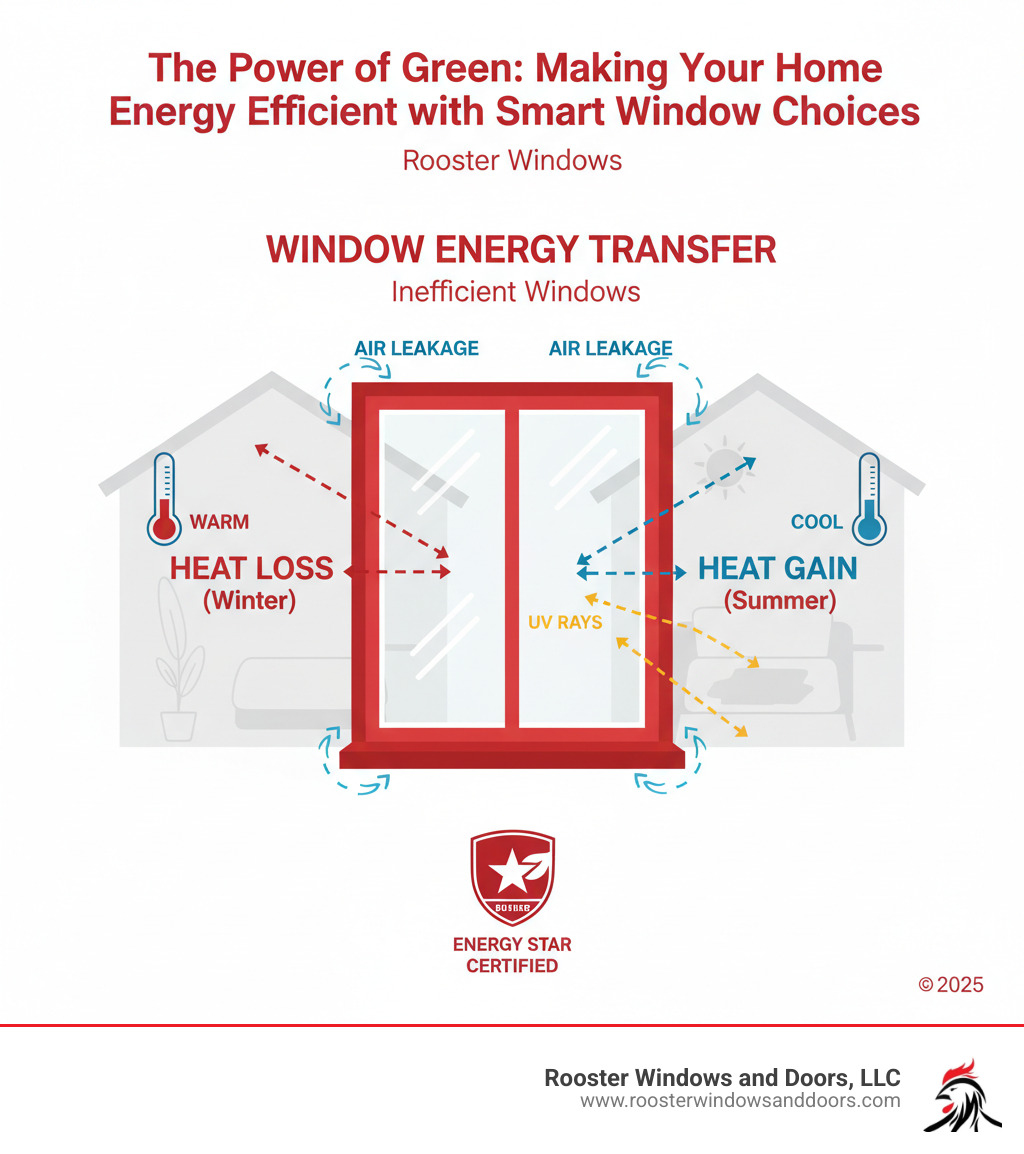
If you’ve noticed drafts, high energy bills, or uncomfortable rooms, your windows are likely the problem. Almost half of home energy bills go toward heating and air conditioning, and much of that energy escapes through inefficient windows. The good news is that modern energy star windows can dramatically reduce this loss while improving comfort, protecting belongings from UV damage, and increasing your home’s resale value.
The ENERGY STAR program has set the standard for efficiency since 1992. When windows earn this label, they have been independently tested and verified to perform better than standard models. However, with different climate zones and performance metrics like U-Factor and SHGC, choosing the right window can feel overwhelming.
I’m Piotr Wilk, and for over two decades I’ve been installing residential windows and doors throughout the Chicagoland area with Rooster Windows and Doors, LLC. Through thousands of installations in Lake, Cook, and McHenry Counties, I’ve seen how properly selected energy star windows transform homes—eliminating drafts, lowering utility bills, and creating comfortable living spaces year-round.
What is an ENERGY STAR Window? Decoding the Label
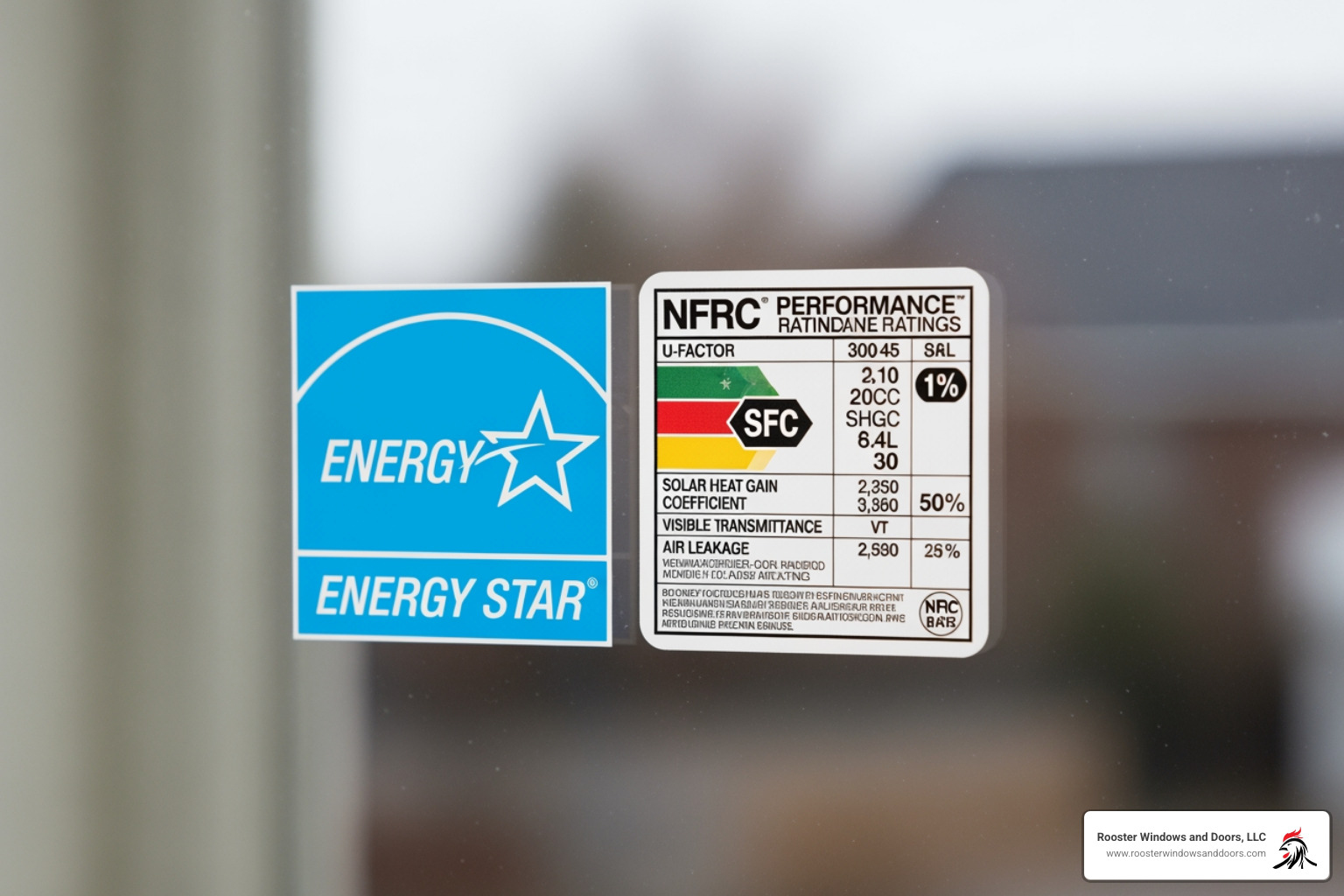
When you see the blue ENERGY STAR logo on a window, it signifies an independent certification from the U.S. Environmental Protection Agency (EPA) and Department of Energy (DOE). This guarantees the window has met strict energy efficiency guidelines, proving it will save you money and keep your home comfortable. Every energy star window is rigorously tested by third-party laboratories, so you can trust its performance claims.
While the ENERGY STAR logo confirms certification, the real details are on the white label from the National Fenestration Rating Council (NFRC). This label is like a window’s nutrition facts, providing specific performance numbers that determine its real-world efficiency.
Understanding Key Performance Metrics
The NFRC label contains key numbers that tell you exactly how a window will perform. After installing thousands of windows in the Chicagoland area, I know these metrics make all the difference.
U-Factor measures how well a window prevents heat from escaping. The lower the number, the better it insulates. In our North-Central climate zone, a low U-Factor is crucial for keeping your heated air inside during winter.
Solar Heat Gain Coefficient (SHGC) indicates how much heat from sunlight passes through the window. A lower SHGC means less solar heat enters your home, which is vital for reducing air conditioning costs in the summer. The ideal SHGC depends on your climate and which direction the window faces.
Air Leakage measures how much air infiltrates through the window assembly. A lower number means fewer drafts and better comfort. Properly rated energy star windows with low air leakage make an immediate difference, eliminating cold spots and drafts.
For a deeper dive into how these ratings affect pricing, check out our guide: More info about energy efficient windows.
The Role of the NFRC Directory
The NFRC Certified Products Directory is an essential tool for verifying window performance. Every certified window has a unique Certified Product Directory (CPD) number, and this online database lets you compare thousands of models side-by-side.
Before investing in new windows, use this directory to confirm the model you’re considering meets ENERGY STAR requirements for your climate zone. It provides complete transparency, allowing you to verify manufacturer claims and make apples-to-apples comparisons based on certified data. Search the NFRC directory to explore products and verify ratings.
The Financial and Comfort Benefits of an Upgrade
After we install energy star windows, homeowners don’t just see lower utility bills—they feel the difference. They can finally enjoy their living room in winter without a cold draft or find their bedroom stays cool during a July heatwave. These are the real-world benefits that matter most.
Let’s start with the numbers. Replacing old, single-pane windows with ENERGY STAR certified models can reduce household energy bills by up to 13% nationwide. In our Chicagoland climate, that translates to $125 to $465 in annual savings for most homeowners.
Beyond savings, the improvement in home comfort is what truly excites our customers. ENERGY STAR windows keep the interior glass surface warmer in the winter, so you can sit comfortably near them even when it’s freezing outside. In the summer, they block solar heat, so your air conditioner isn’t working overtime. The temperature consistency throughout your home improves, eliminating hot and cold spots.
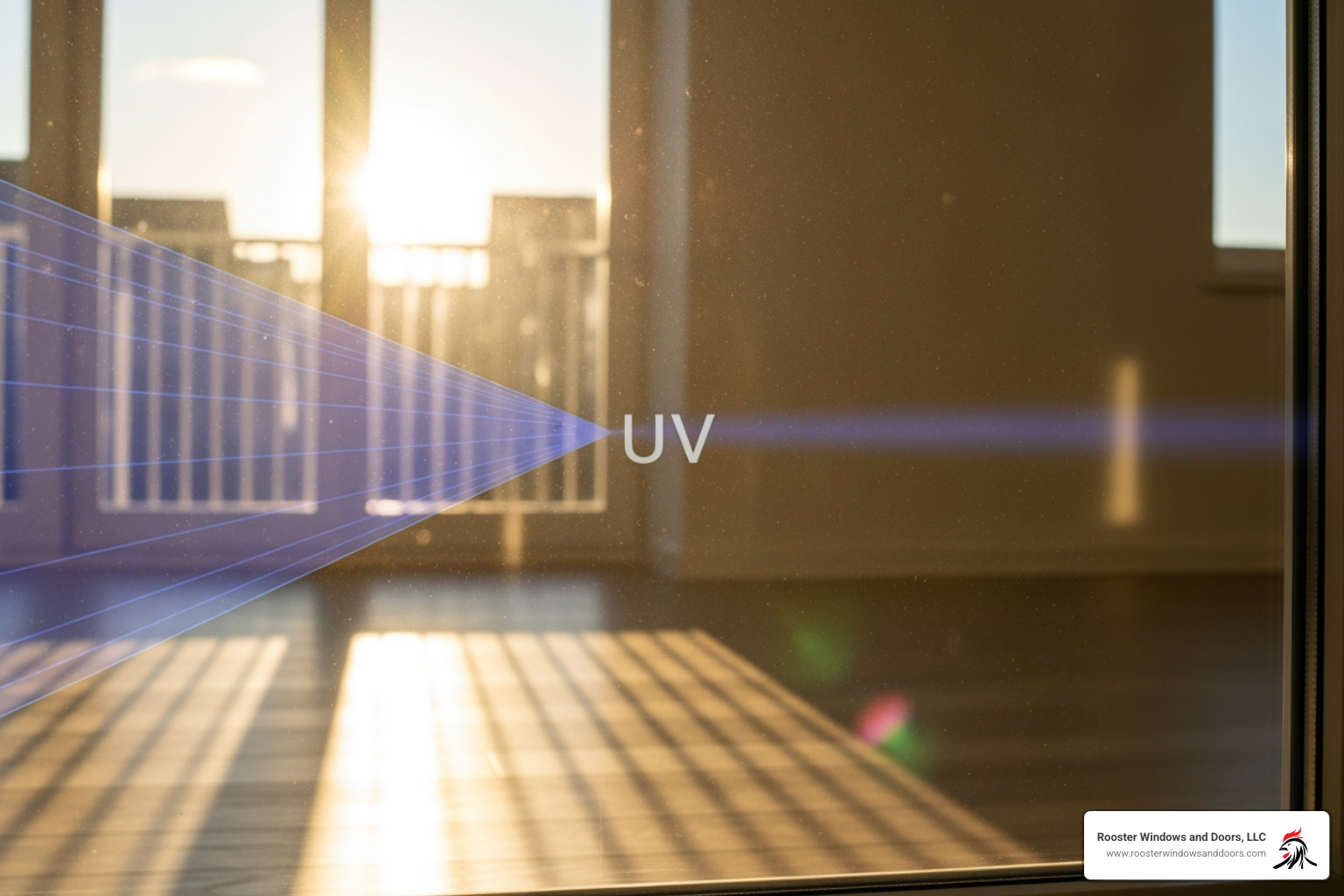
Another key benefit is UV protection. Quality energy star windows have low-emissivity (low-E) coatings that block up to 75% of harmful ultraviolet light. This acts like sunscreen for your home’s interior, preventing hardwood floors, furniture, and artwork from fading, all without dimming your natural light.
If you live on a busy street, the noise reduction from modern energy-efficient windows can be dramatic. The multiple panes of glass, gas fills, and tight seals that improve energy efficiency also create an excellent sound barrier.
Finally, there’s the boost to your home’s resale value. New windows improve curb appeal and offer tangible energy savings that savvy buyers recognize and appreciate.
Financial Savings and Cost
Energy-efficient windows typically cost between $300 and $1,000 per window, depending on size, style, and material. Factoring in professional installation—which is essential for achieving promised energy savings—increases the total project cost but also the value you receive.
Those annual savings of $125 to $465 are real and continue year after year. Over the 20-year lifespan of quality windows, this adds up to thousands of dollars in saved energy costs, a meaningful return on your investment.
Your exact project cost will depend on the number of windows, their sizes, performance ratings, and whether any structural repairs are needed. We provide detailed, transparent estimates so you know exactly what to expect.
To understand all the factors that influence window replacement costs, see our comprehensive resource: Window Replacement Cost Ultimate Guide.
How ENERGY STAR Windows Maximize Your Home’s Efficiency
When considering where to invest in your home’s energy efficiency, windows deserve serious attention. Almost half of your home’s energy bills go toward heating and air conditioning, and a significant portion of that energy escapes through inefficient windows.
Replacing old windows—especially outdated single-pane models—with ENERGY STAR certified windows can reduce your energy bills by up to 13%. That’s a significant chunk of your heating and cooling costs staying in your pocket.
In our twenty-plus years installing windows throughout Chicagoland, we’ve seen how this cost-effectiveness plays out. Homeowners who view their windows as critical components of their home’s thermal envelope see the biggest impact. When you invest in quality energy star windows and ensure they’re installed correctly, you’re not just buying a product—you’re upgrading your entire home’s performance.
A Buyer’s Guide: Choosing the Right Energy Star Windows
Choosing the right energy star windows is straightforward once you understand a few key concepts. The single most important factor is your climate zone. The windows that work in sunny Florida would be inefficient in a Chicago winter. The ENERGY STAR program divides the U.S. into four main climate zones—Northern, North-Central, South-Central, and Southern—each with different performance requirements.
Here in Chicagoland, we are primarily in the Northern and North-Central climate zones. This means our windows must excel at keeping heat inside during our cold winters while also managing solar heat gain during hot summers.

Before shopping, confirm your specific climate zone using the ENERGY STAR Climate Zone Finder: Find your climate zone.
How Climate Zones Impact Your Choice
In our Northern and North-Central zones, preventing heat loss is the top priority. This requires windows with a low U-Factor, which measures how well a window keeps heat from escaping. The lower the number, the better the insulation.
However, in cold climates, we also want to capture some free solar heat in winter. This is where SHGC (Solar Heat Gain Coefficient) comes in. A slightly higher SHGC on south-facing windows can help warm your home naturally. The ENERGY STAR Version 7.0 criteria, effective since October 23, 2023, specify the requirements for each zone:
| Climate Zone | U-Factor (Max.) | SHGC (Min./Max.) | Primary Goal |
|---|---|---|---|
| Northern | ≤ 0.22 | ≥ 0.17 | Minimize heat loss, allow some solar gain |
| North-Central | ≤ 0.25 | ≤ 0.40 | Balance heat loss and moderate solar gain |
| South-Central | ≤ 0.28 | ≤ 0.23 | Minimize solar heat gain, moderate heat loss |
| Southern | ≤ 0.32 | ≤ 0.23 | Minimize solar heat gain |
For our Illinois customers, we focus on a U-Factor of 0.25 or lower to ensure windows can withstand our cold winters.
Understanding ENERGY STAR Most Efficient
If standard energy star windows are an A grade, then ENERGY STAR Most Efficient windows are the honor roll. These top performers meet even stricter standards, often featuring advanced technologies like triple-pane glass and premium gas fills.
This matters for two reasons. First, these windows deliver the greatest possible energy savings. Second, only windows meeting the Most Efficient criteria qualify for the federal tax credit. If you plan to claim the 30% tax credit (up to $600), your windows must meet these higher standards.
Here are the Most Efficient 2024 designation requirements:
| Climate Zone | U-Factor (Max.) | SHGC (Min./Max.) |
|---|---|---|
| Northern | ≤ 0.20 | ≥ 0.20 |
| North-Central | ≤ 0.20 | ≤ 0.40 |
| South-Central | ≤ 0.20 | ≤ 0.23 |
| Southern | ≤ 0.21 | ≤ 0.23 |
| OR ≤ 0.23 | ≤ 0.21 |
Notice the lower U-Factor requirements, indicating exceptional insulation. For details, visit: View the Most Efficient criteria.
Finding and Comparing Certified Products
The ENERGY STAR Product Finder is an invaluable online database for exploring your options. You can filter thousands of certified windows by manufacturer, material, and whether they meet the Most Efficient criteria for your climate zone. Explore the database here: ENERGY STAR Product Finder.
When comparing models, consider the frame material (vinyl, wood, fiberglass, composite) and glazing type. For our Illinois climate, triple-pane windows often provide superior insulation. The gas fill between panes also matters, with krypton offering better insulation than argon at a higher cost.
ENERGY STAR criteria differ by country. When shopping for your Illinois home, ensure you’re looking at products certified for U.S. climate zones. You can see the Canadian criteria for comparison.
If you’re considering triple-pane windows, check out our cost-benefit analysis: Are Triple Pane Windows Worth It?.
Maximizing Your Investment: Tax Credits and Knowing When to Upgrade
Investing in energy star windows is a smart move for your home, and federal incentives can make it even more affordable. For a general overview of installation costs, refer to our guide: How Much Does It Cost to Install Replacement Windows?.
Claiming Tax Credits with ENERGY STAR Windows
The Energy Efficient Home Improvement Credit (25C) rewards homeowners for investing in high-performance windows. For products purchased and installed between January 1, 2023, and December 31, 2025, you can claim 30% of the cost of eligible windows, up to a maximum of $600 per year.
The critical detail is that not all ENERGY STAR windows qualify. To be eligible for the tax credit, your windows must meet the ENERGY STAR Most Efficient criteria for your climate zone. We always help our clients verify this before they make a selection.
To confirm eligibility, check the product’s Certified Product Directory (CPD) number in the NFRC directory. If the field for your climate zone is shaded green, the window qualifies.
The overall annual limit for all energy-efficient home improvement credits is $3,200. Within this, there’s a $1,200 sub-limit for home envelope improvements (windows, doors, insulation), with the window portion capped at $600.
To claim the credit, file IRS Form 5695 with your tax return and keep all purchase and installation documents. You can download the form here: IRS Form 5695.
Telltale Signs Your Windows Need Replacing
Knowing when to replace your windows is as important as choosing the right ones. Here are the most common warning signs we see in Chicagoland homes:
- Single-Pane Glass: If your home still has single-pane windows, you are losing a significant amount of energy. The difference in comfort and utility bills between single-pane and modern insulated glass is substantial. Learn more here: Single Pane vs. Double Pane.
- Damaged Frames: Rotting wood, cracked vinyl, or corroded aluminum frames compromise insulation and structural integrity.
- Difficult Operation: Windows that are hard to open, close, or lock often have structural issues that create air leaks.
- Condensation Between Panes: A foggy appearance between glass panes means the seal has failed, the insulating gas has escaped, and the window has lost its energy efficiency. Replacement is the only solution.
- Noticeable Drafts: Feeling air movement around closed windows is a clear sign that you’re losing energy and money.
- High Energy Bills: Consistently high heating or cooling costs often trace back to inefficient windows.
- Age: Windows over 20 years old lack the advanced technology of modern models, such as improved low-E coatings and gas fills.
If you’re experiencing any of these issues, it’s likely time to consider a replacement. With today’s energy star windows and available tax credits, there has never been a better time to upgrade.
Frequently Asked Questions about Energy-Efficient Windows
After two decades of installing windows throughout Chicagoland, I’ve heard just about every question homeowners have. Here are answers to the most common ones.
How much can I really save with ENERGY STAR windows?
The savings are genuine. Replacing old single-pane windows with ENERGY STAR certified models can reduce household energy bills by up to 13% nationwide. For most homeowners, this means saving $125 to $465 annually. In Illinois, with our extreme seasons, the savings can be even more significant. Over the 20-plus year lifespan of quality windows, these savings compound into thousands of dollars, making it a smart long-term investment.
Are all ENERGY STAR windows the same?
No, they are not. While all ENERGY STAR windows meet minimum efficiency standards, performance varies widely. Key differences include:
- Climate Zone Ratings: A window certified for Florida won’t have the insulation needed for an Illinois winter. The correct climate zone rating is fundamental.
- Performance Metrics: Even within the same zone, windows have different U-Factor and SHGC ratings. Some are better at preventing heat loss, while others excel at blocking solar heat.
- Most Efficient Tier: This top tier represents the best performers, which exceed standard requirements and are the only windows that qualify for federal tax credits.
- Materials and Construction: Frame materials (vinyl, fiberglass, wood), glass panes (double or triple), low-E coatings, and gas fills all impact a window’s final performance.
Understanding the NFRC label is the best way to compare the specific data for each window.
Is professional installation necessary for ENERGY STAR windows?
Yes, professional installation is absolutely essential. You can buy the highest-rated energy star windows, but they won’t perform as promised if installed incorrectly. Poor installation creates air leaks that undermine the window’s efficiency, leading to drafts and energy loss. We’ve seen expensive new windows perform poorly due to improper installation.
Proper installation ensures the window is sealed, flashed, and insulated correctly to maintain its rated performance. Furthermore, most manufacturers require professional installation to keep your warranty valid.
At Rooster Windows and Doors, we know our installation expertise is as important as the quality of the windows themselves. They work together to deliver the energy savings and comfort you’re investing in. For guidance on selecting a professional, see our guide on the Best Window Installation Companies.
Conclusion: The Clear Choice for an Efficient Home
Upgrading to energy star windows is a transformative investment. As we’ve covered, the benefits go far beyond lower utility bills, though annual savings of $125 to $465 are a welcome return. You’re investing in a more comfortable home—one free of cold drafts and protected from UV damage.
Choosing windows that meet the ENERGY STAR Most Efficient criteria not only delivers superior performance but also qualifies you for federal tax credits of up to $600. It’s a reward for making a smart, environmentally responsible choice.
However, the single most important lesson from our two decades of experience is this: even the best window will fail without proper installation. Air leaks from a poor installation will negate the window’s energy-saving features. Professional installation isn’t just a recommendation; realizing the full value of your investment.
At Rooster Windows and Doors, we’ve built our reputation on providing high-quality, flawless, and energy-efficient installations across Lake, Cook, and McHenry Counties. We know that expert installation is what turns a quality window into a high-performance part of your home.
Your home deserves windows that work hard to keep your family comfortable, reduce your energy costs, and increase your home’s value. We’re here to help you make that happen. Learn more about our comprehensive Window Installation services and find out how we can transform your home.
