

Transform Your Dark Basement with New Windows
Learning how to install basement windows can dramatically change your home’s lower level. Here’s a quick overview:
- Remove Old Window: Take out the sash, cut the frame, and pry out the unit.
- Prep Opening: Clean debris, chip away excess mortar, and ensure the opening is level.
- Install New Window: Dry fit, apply sealant, center with shims, and check for level.
- Secure & Seal: Fasten with concrete screws, then seal with low-expansion foam and caulk.
- Finish: Add interior and exterior trim.
Your replacement window should be about 1/4″ smaller in width and height than the rough opening for proper fitting.
While simple replacements are a great DIY project, installing egress windows that require cutting concrete often needs professional expertise. New windows improve ventilation, reduce moisture, lower energy bills, and can add livable square footage, changing a dark space into a bright, comfortable room.
I’m Piotr Wilk. With over two decades of installing windows in Chicagoland, I know that proper installation is key to comfort and efficiency. Understanding how to install basement windows correctly helps your basement reach its full potential.
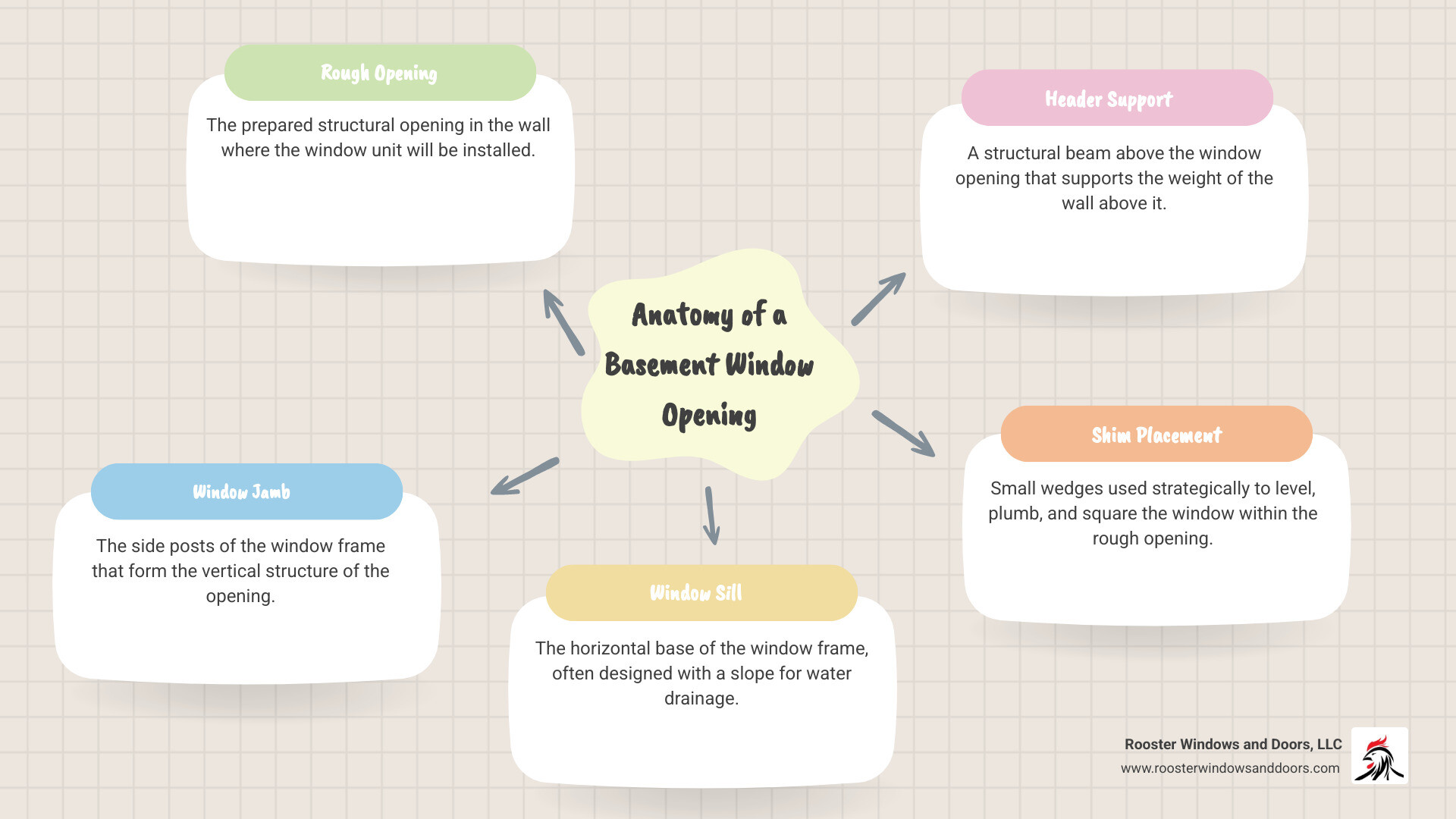
Simple guide to how to install basement windows terms:
Pre-Installation: Planning, Measuring, and Gathering Supplies
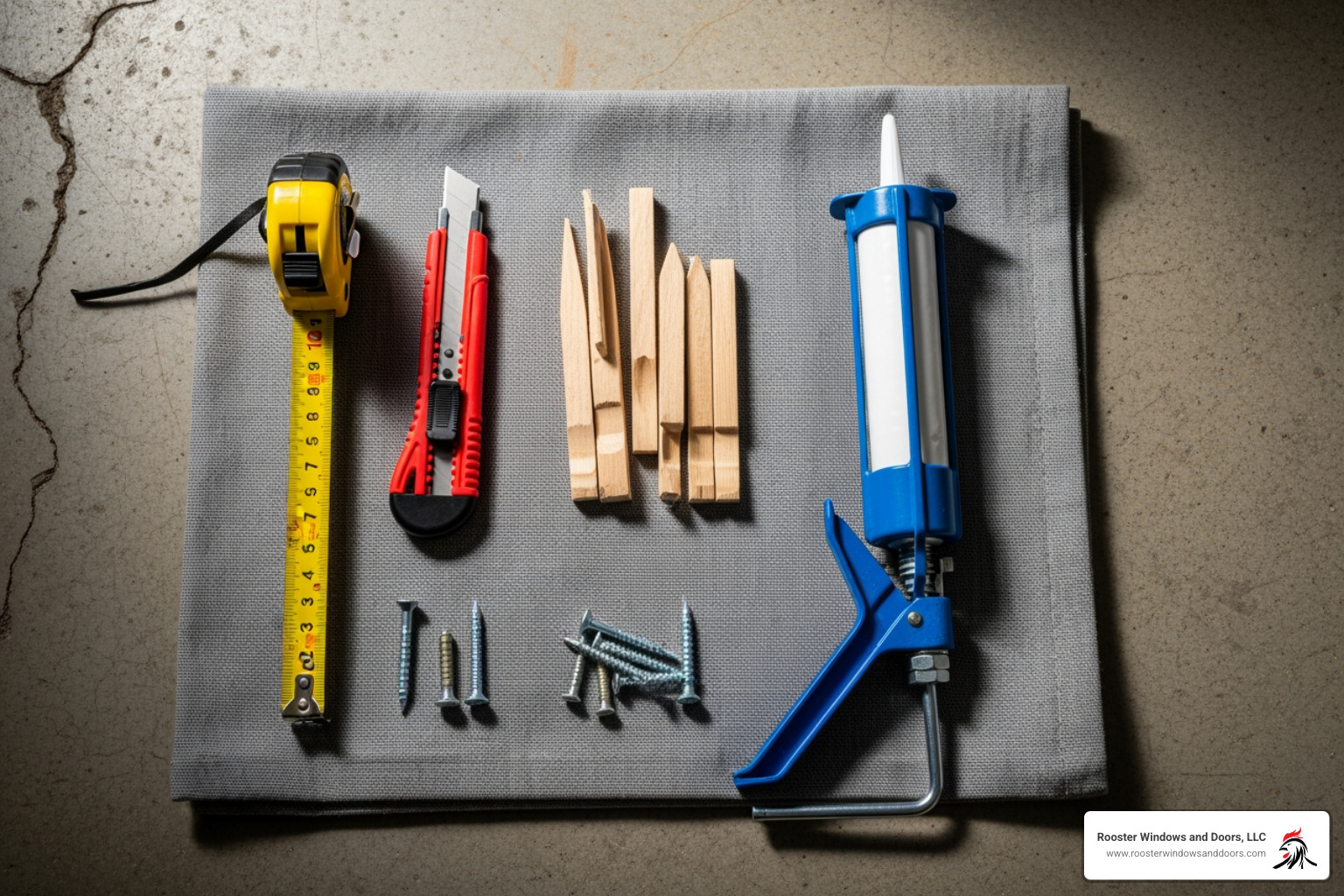
Proper planning is the foundation of a successful window installation. Before you start learning how to install basement windows, take time to understand the project, gather your supplies, and prioritize safety. This preparation is the key to a project you’ll be proud of.
Signs You Need to Replace Your Basement Windows
Look for these clear signs that it’s time for a replacement:
- Drafts: Cold air entering around closed windows indicates failing seals.
- Condensation: Moisture trapped between glass panes means the seal is broken.
- Water Leaks: Any moisture intrusion can lead to mold and structural damage.
- Visible Damage: Rot on wood frames or rust on metal ones compromises the window’s integrity.
- Poor Operation: Windows that are difficult to open, close, or lock are inconvenient and can be a safety hazard.
- High Energy Bills: Inefficient windows let heated or cooled air escape, forcing your HVAC system to work harder.
Choosing the Right Basement Window
Choosing the right window type and material is crucial for your space.
Main Window Types:
- Hopper Windows: Open inward from the top for excellent, rain-protected ventilation. Ideal for smaller spaces like bathrooms.
- Sliding Windows: A sash slides horizontally, offering good light and easy operation. A versatile choice for general living areas.
- Egress Windows: Required by code for basement bedrooms, these provide an emergency exit, maximum light, and add significant home value.
Materials and Glass:
Vinyl is the standard material for basements due to its durability, low maintenance, and moisture resistance, outperforming older wood and metal options. Also consider energy-efficient glass, like double or triple-pane with Low-E coatings and argon gas, to improve comfort and reduce energy bills, especially during harsh Chicagoland winters.
For more detailed information, check out our Basement Windows Complete Guide.
Tools and Materials Checklist
Gather everything you need beforehand to ensure a smooth process.
- Removal Tools: Hammer, pry bar, screwdriver, impact driver with bits, reciprocating saw, paint scraper, utility knife, sandpaper, shop vac, cold chisel, and sledgehammer.
- Installation Supplies: New window unit, exterior-grade butyl caulk and caulk gun, rot-resistant shims, a long level, and a measuring tape.
- Fasteners & Sealants: Galvanized/stainless steel screws for wood frames, or concrete screws and a hammer drill for concrete. You’ll also need flashing tape and low-expansion spray foam insulation for windows.
- Finishing: Interior/exterior trim, primer, and exterior paint.
- Safety Gear: Safety glasses, work gloves, dust mask, and hearing protection.
How to Accurately Measure for a New Window

Accurate measurements are the most critical step when learning how to install basement windows. An incorrect measurement means the window won’t fit properly. Always measure twice.
First, remove any interior trim to expose the rough opening. Then, follow these steps:
- Measure the width from jamb to jamb at the top, middle, and bottom.
- Measure the height from the sill to the head jamb on the left, center, and right.
- Use the smallest width and smallest height for your final dimensions. Older homes rarely have perfectly square openings, and this ensures your new window will fit.
Finally, apply the 1/4-inch reduction rule: order a window that is 1/4 inch smaller in both width and height than your smallest measurements. This space is essential for shimming, leveling, and creating a proper, weatherproof seal. For example, a 30″ x 20″ rough opening requires a 29.75″ x 19.75″ window.
How to Install Basement Windows: The Complete Step-by-Step Process
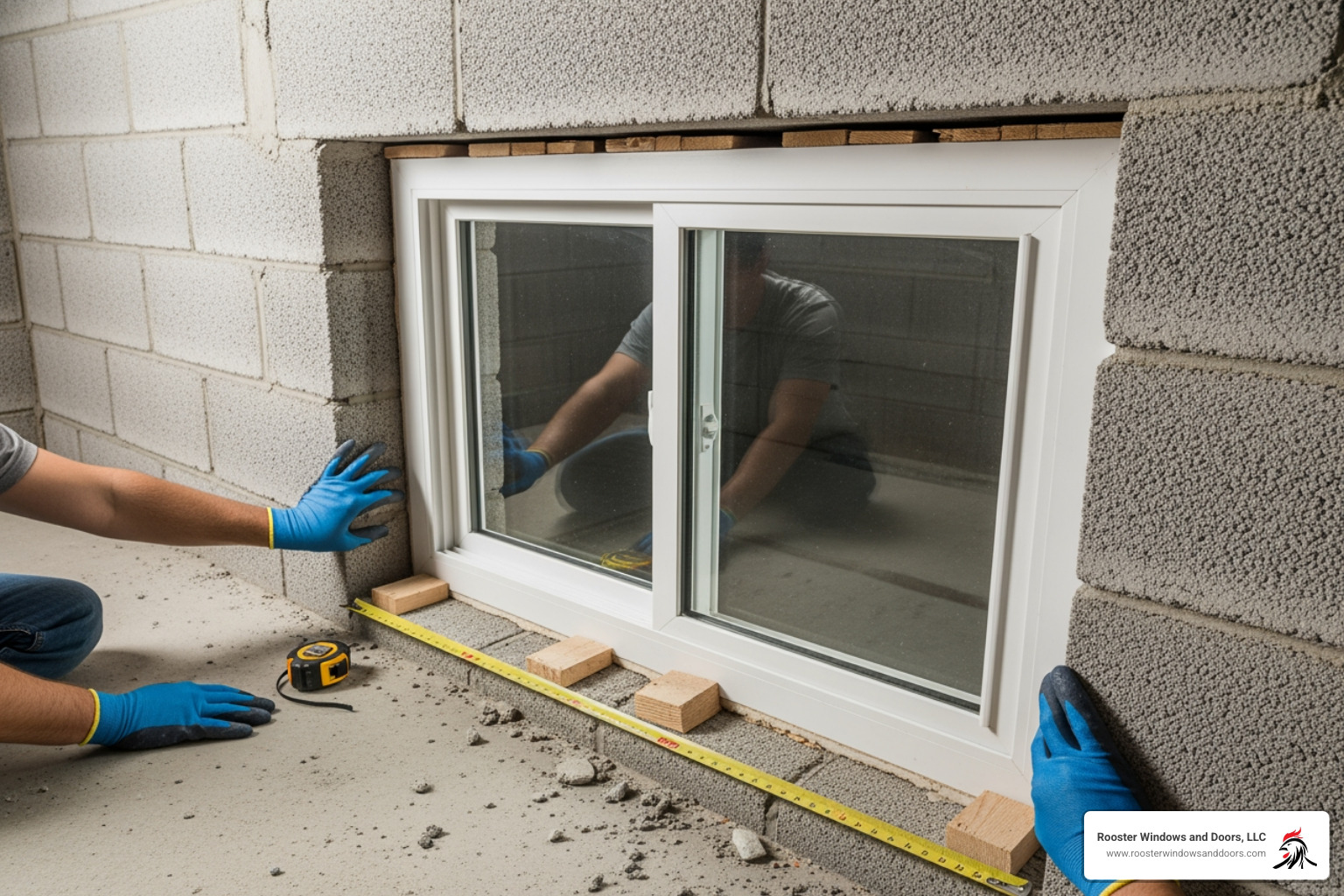
Now for the installation. The process for how to install basement windows varies slightly based on your foundation. Most Chicagoland homes have either poured concrete or concrete block walls, though some have wood-framed openings. Each type requires a specific anchoring method.
Step 1: How to Remove the Old Basement Window
- Prepare the Area: Lay down drop cloths inside and out. For dusty jobs, hang plastic sheeting to contain dust.
- Remove the Sash: If possible, remove the operable part of the window first by unscrewing hinges or clips. This makes the frame lighter and easier to handle.
- Cut the Old Frame: Use a reciprocating saw for wood frames or an angle grinder for metal frames. Making cuts in the frame allows you to pry it out in pieces. Always wear safety glasses and hearing protection.
- Pry Out the Frame: Use a pry bar and hammer to work the old frame pieces out of the opening. Be patient to avoid damaging the surrounding wall. You may need a cold chisel to remove mortar securing old metal frames.
- Check for Obstructions: Before cutting, check for hidden wiring or plumbing near the window.
Step 2: Preparing the Rough Opening
A clean, well-prepped opening is critical for a professional result.
- Clean Thoroughly: Use a shop vac to remove all dust, debris, and old caulk. A clean surface is essential for new sealants to adhere properly.
- Smooth the Surface: Chip away any excess mortar or concrete with a hammer and cold chisel to create a flat surface for the new window.
- Check for Square and Level: Use a level to check that the sill is level and the sides are plumb (vertical). Measure the diagonals; they should be within 1/8 inch of each other. Minor inconsistencies can be corrected with shims.
- Inspect for Damage: In wood frames, check for rot. Minor rot can be repaired, but extensive damage must be fixed. In concrete, check for large cracks that could indicate structural problems.
Step 3: How to Install the New Basement Window
Patience and precision are key here.
- Dry Fit the Window: Place the new window in the opening without sealant to check the fit and clearance. Ensure the weep holes at the bottom are facing outside.
- Apply Sealant: Remove the window and apply a continuous bead of exterior-grade butyl caulk to the sill and sides of the opening where the frame will sit. If the window has a nailing flange, caulk the back of it.
- Place the Window: Carefully set the window into the opening, tilting it in from the bottom. Position it flush with either the interior or exterior wall as desired.
- Shim for Position: Use rot-resistant shims under the window to make it level. Add shims along the sides and top to make it plumb and centered. The fit should be snug but not forced, to avoid warping the frame. Pre-drill pilot holes through vinyl frames and shims before fastening.
For more detailed guidance, check out our Install Replacement Windows Complete Guide.
Step 4: Aligning and Securing the Window
Proper alignment and securing ensure long-term performance.
- Final Level Check: Before fastening, use your level one last time to confirm the window is perfectly plumb and level. Re-measure the diagonals to ensure it isn’t twisted.
- Fasten the Window: The method depends on your wall type.
- Wood Frame: Drive galvanized or stainless steel screws through the frame’s pre-drilled holes into the wood framing.
- Concrete Block: For a secure anchor, install a pressure-treated wood frame (buck) in the opening first, then screw the window to the buck.
- Poured Concrete: Use a hammer drill and masonry bit to pre-drill holes through the frame and into the concrete. Secure with concrete screws (like Tapcons).
- Avoid Over-Tightening: This is a critical mistake to avoid. Tighten screws just enough to hold the window firmly. Over-tightening can bow the frame, causing operational issues and breaking the seal. Check for level after each screw.
Finishing Touches: Sealing, Insulation, and Maintenance
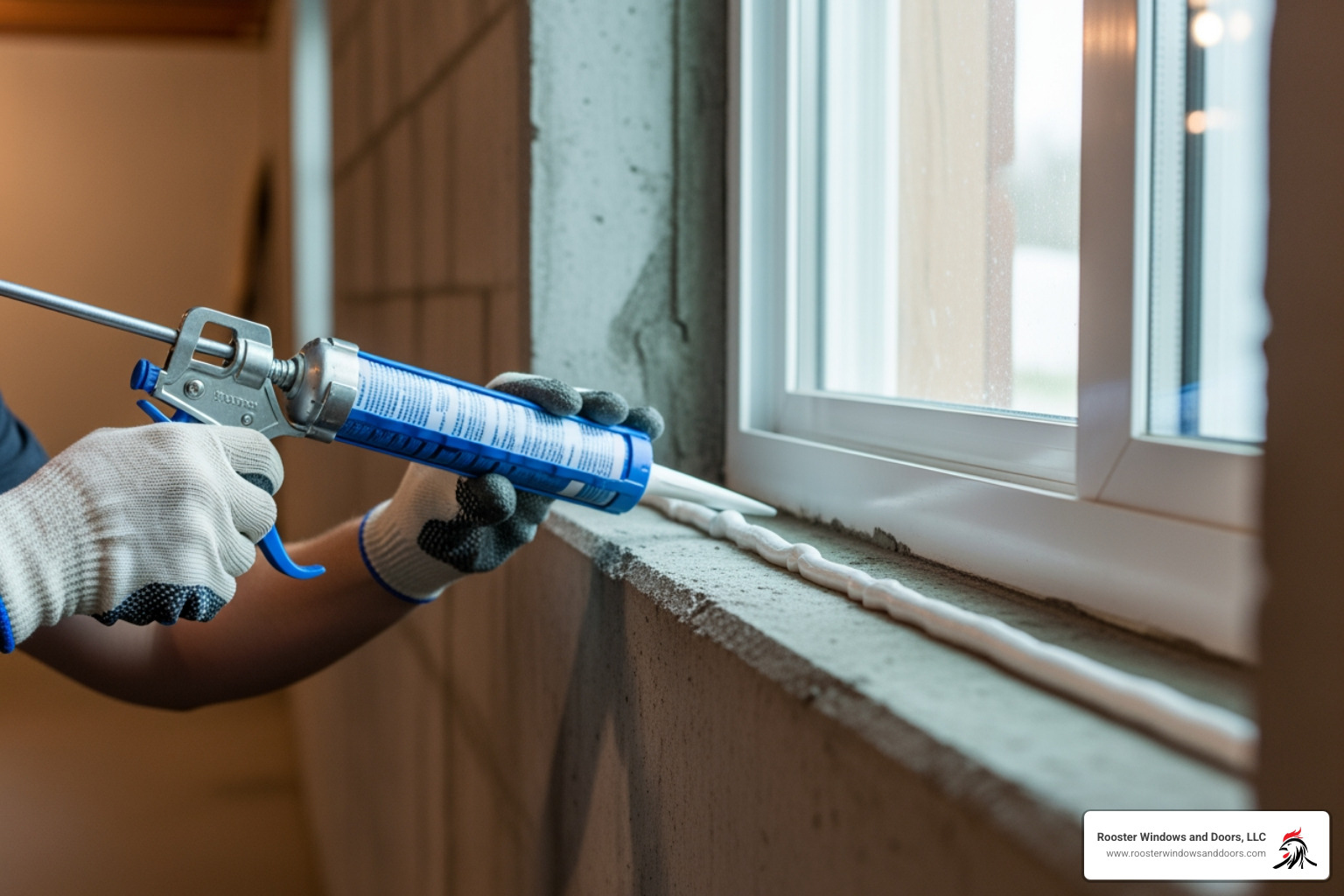
These finishing touches are what make an installation great. Proper sealing and finishing will lock in energy savings, prevent drafts, and give your project a polished, professional look, which is a key part of learning how to install basement windows correctly.
Sealing and Insulating for Maximum Efficiency
Proper sealing protects your investment by keeping moisture out and comfort in.
- Insulate Gaps: Fill the gap between the window frame and the rough opening with low-expansion spray foam insulation made for windows. Do not use high-expansion foam, as it can bow the frame. Trim excess foam after it cures.
- Caulk the Exterior: Apply a continuous bead of exterior-grade caulk along the top and sides where the window meets the foundation.
- Keep Weep Holes Clear: Crucially, do not caulk the bottom exterior sill. This allows the weep holes to drain any water that gets inside the frame.
- Apply Flashing Tape: For extra moisture protection, apply flashing tape over any nailing flanges, overlapping from bottom to top to direct water away.
Interior and Exterior Finishing
This is where aesthetics meet function.
- Interior Trim: Use water-resistant materials like PVC for basement trim. Cut pieces to fit and attach with finishing nails. If using wood, be sure to prime and paint all sides for moisture protection.
- Exterior Finishing: Depending on your foundation, you can install exterior trim boards or simply have a clean caulk line against the concrete. Use materials rated for exterior use.
- Slope the Exterior Sill: Ensure the exterior sill slopes away from the window to direct rainwater away from the foundation. If it’s flat, you can build up a gentle slope with mortar.
While you’re thinking about exterior improvements, you might want to explore options for window well covers to further protect your new investment.
Best Practices for Maintaining New Windows
A little maintenance will keep your new windows performing for decades.
- Clean Regularly: Use mild glass cleaner and soapy water on the frames. Avoid harsh chemicals.
- Inspect Seals: Periodically check the caulk for cracks or gaps and reapply as needed to maintain a tight seal.
- Check for Drafts: On a windy day, feel for air movement around the frame and address any leaks.
- Lubricate Moving Parts: Once or twice a year, apply silicone lubricant to hinges, tracks, and locks on operable windows to ensure smooth function.
Navigating Challenges, Codes, and Professional Help
Even well-planned projects can have surprises. Understanding common challenges, building codes, and when to call a professional will save you time and money.
For a comprehensive look at the entire window installation process, our Window Installation Services Complete Guide has you covered.
Solving Common Installation Challenges
- Uneven Openings: Most older basements have them. Use rot-resistant shims to create a level and plumb frame for the window within the imperfect opening. The goal is a perfect window installation, not a perfect opening.
- Water Drainage: This is critical for preventing a wet basement. Ensure the ground slopes away from your foundation. Keep gutters clean and extend downspouts 6-10 feet from the house. For below-grade windows, a window well with proper drainage is essential.
- Unexpected Damage: When you remove the old window, you may find rot or cracks. Repair minor issues, but for extensive rot, large structural cracks, or any damage that compromises the foundation, stop work and call a professional immediately.
Understanding Building Codes and Egress Windows
Building codes exist for your safety and are not optional.
- Egress Windows: An egress window is required by code in Illinois for any basement sleeping area. It serves as an emergency exit. Key requirements include a clear opening of at least 5.7 sq. ft., a minimum width of 20 inches, a minimum height of 24 inches, and a sill no more than 44 inches from the floor.
- Building Permits: Permits are typically required when cutting a new opening, enlarging an existing one, or installing an egress window. This ensures the work is safe and up to code. Always check with your local Chicagoland-area building department before you begin.
For everything you need to know about these critical safety features, see our Egress Window Installation Complete Guide.
When to Hire a Professional
While DIY is rewarding, some jobs are best left to professionals.
- Structural Changes: Cutting new or larger openings in your foundation, especially poured concrete, affects your home’s structural integrity. Mistakes can be catastrophic and costly. This is not a DIY job.
- Complex or Egress Installations: Installing egress windows involves strict code compliance, foundation cutting, and proper drainage. The complexity and safety risks make professional installation the wise choice for how to install basement windows of this type.
- Lack of Tools or Experience: If you lack the specialized tools or experience for concrete work, hiring a pro is safer and often more cost-effective.
- The Professional Advantage: Hiring Rooster Windows and Doors means your installation is backed by comprehensive warranties on labor and materials. You get peace of mind knowing the job is done correctly, efficiently, and safely by our experienced installers.
Understanding the costs involved can help you make an informed decision. Learn more in our Cost to Replace a Window Ultimate Guide.
Conclusion
You now have a roadmap for how to install basement windows, a project that can transform your lower level with more light, better efficiency, and added value.
A straightforward replacement can be a rewarding DIY project. However, proper installation is everything. A small mistake in leveling, sealing, or drainage can lead to drafts, difficult operation, or water damage.
The stakes are even higher when cutting concrete, enlarging openings, or installing code-required egress windows. These jobs affect your home’s structural integrity and your family’s safety, making professional expertise essential.
At Rooster Windows and Doors, we have over two decades of experience installing basement windows throughout the Chicagoland area. We’ve handled every type of foundation and challenge, and our work is backed by comprehensive warranties on materials and labor.
Ready to upgrade your basement the right way? Explore our professional basement window installation services for a quality installation that lasts.
