

The Real Cost of New Windows
What Do Replacement Windows Actually Cost?
Replacement window prices typically range from $300 to $2,500 per window, with most homeowners paying around $750 per window installed. A full home project (10–16 windows) usually runs between $8,000 and $22,000, depending on materials, style, and installation method.
Here’s a quick snapshot of what to expect:
| Project Scope | Typical Cost Range |
|---|---|
| Single window (budget vinyl) | $300 – $600 |
| Single window (mid-range) | $600 – $1,200 |
| Single window (premium/specialty) | $1,200 – $2,500+ |
| Small home (8–10 windows) | $5,500 – $13,000 |
| Average home (12–16 windows) | $8,500 – $22,000 |
| Large home (18–24 windows) | $13,000 – $32,000 |
Prices vary based on frame material, window style, glass type, and whether you need a simple retrofit or a full-frame replacement. Energy-efficient upgrades and regional labor rates add to the total — but can also reduce long-term energy bills by $25–$100 per month.
This guide breaks down every cost factor so you can budget accurately and avoid surprises.
I’m Piotr Wilk, and with over two decades of residential window installation experience in the Chicagoland area, I’ve helped hundreds of homeowners navigate replacement window prices across every budget and home type. In the sections below, I’ll walk you through exactly what drives costs — and how to make smart decisions for your home.
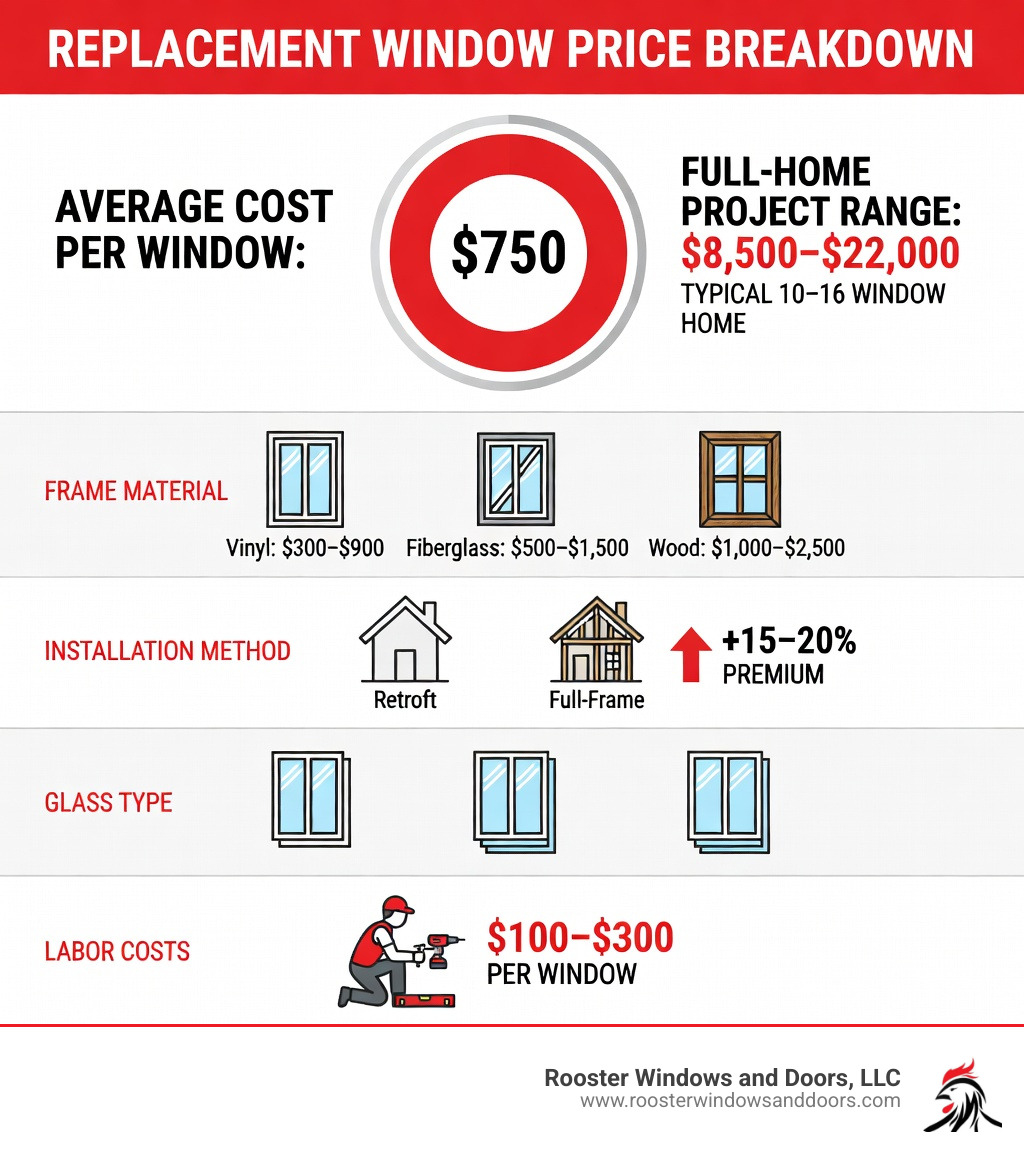
Basic replacement window prices vocab:
Understanding Replacement Window Prices by Project Scope
When we talk about the Cost to Install Replacement Windows in 2026: Is It Worth It?, we have to look at the big picture. Are you swapping out one broken sash in a bedroom, or are you overhauling every opening in a three-story Victorian in Evanston?
The scope of your project is the largest single determinant of your final bill. While a single window might seem expensive on its own, scaling up to a full-house project often allows for better labor efficiency. Most professional crews prefer to tackle multiple windows at once because the setup and cleanup time is roughly the same whether they do three windows or ten.
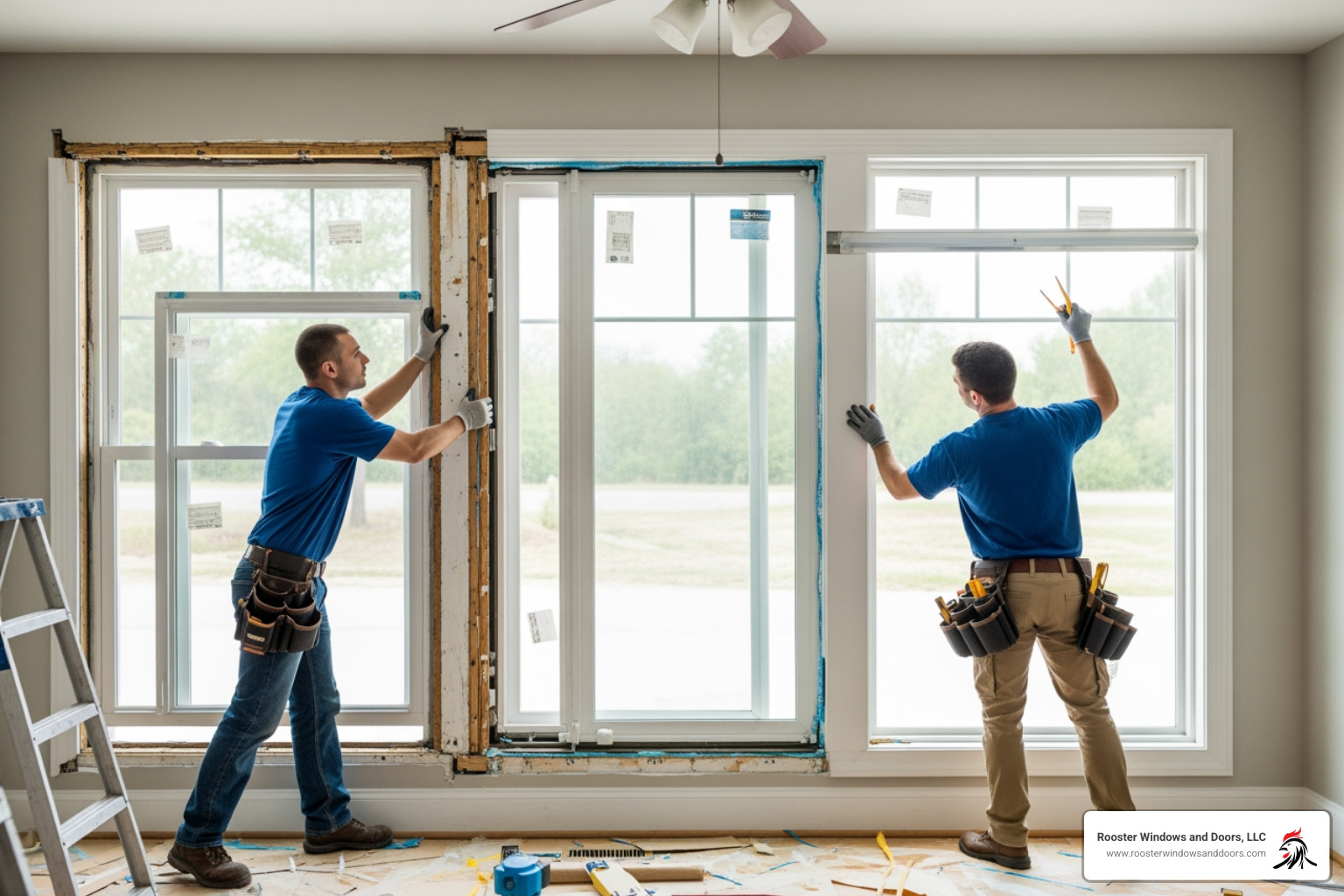
Average Replacement Window Prices per Unit
If you are looking for a baseline, the average replacement window prices sit around $750 per unit. However, this is a broad average. A standard-sized vinyl double-hung window might cost as little as $300 to $600, while a large, custom-shaped fiberglass or wood unit can easily climb to $2,500.
Sizing plays a massive role here. A tiny bathroom window (which might only be 21% of the size of your living room window) will naturally cost less in materials. However, if that tiny window is in a hard-to-reach spot or requires tempered safety glass, the price can jump. For a deeper dive into unit pricing, check out our Cost to Replace a Window Ultimate Guide.
Full-House Project Estimates
For a typical home in the Chicagoland area with 10 to 12 windows, you should budget between $8,000 and $11,000 for high-quality vinyl replacements. If you opt for premium materials like fiberglass or wood, that range can shift to $15,000 to $30,000.
We often see “bulk” benefits when homeowners replace everything at once. Not only do you ensure a perfectly matched aesthetic across your home, but you also maximize the energy efficiency of the entire building envelope. You can find more details on planning these larger projects in our Replace a Window Guide 2025.
How Frame Materials and Styles Impact Costs
The material you choose for your window frames is the “engine” of your project’s cost. It dictates the price, the maintenance requirements, and how long the windows will last.
Material Comparison: Vinyl to Wood
| Material | Cost Per Window (Installed) | Durability | Maintenance |
|---|---|---|---|
| Vinyl | $100 – $900 | High (15-20 years) | Very Low |
| Fiberglass | $500 – $1,500 | Very High (40 years) | Low |
| Wood | $1,000 – $2,500+ | High (if maintained) | High (painting/staining) |
| Aluminum | $400 – $1,200 | Moderate | Moderate |
| Composite | $500 – $1,800 | High | Low |
Vinyl remains the most popular choice for homeowners in places like Naperville and Schaumburg because it offers the best “bang for your buck.” It’s rot-resistant and handles the Illinois freeze-thaw cycle beautifully. Fiberglass is a premium alternative that offers even more strength and a longer lifespan, often lasting up to 40 years. Wood is the gold standard for historic homes in Lake Forest or Oak Park, offering unmatched beauty but requiring a significant investment and ongoing care. For more on material selection, see our Window Replacement Cost Ultimate Guide.
Pricing for Popular Window Styles
Beyond the material, the way the window opens (or doesn’t) changes the price.
- Double-Hung ($450–$900): The classic American window. Both sashes move, making them easy to clean.
- Casement ($450–$1,300): These use a crank to swing outward. They are generally 15-20% more expensive than sliders because the hardware is more complex and they provide a superior airtight seal.
- Picture Windows ($600–$1,100): These don’t open, which makes them the most energy-efficient and often the most affordable for their size.
- Bay and Bow Windows ($2,500–$6,500): These are structural “features” that project outward. They require significantly more labor and materials.
- Awning Windows: Great for ventilation even when it’s raining. You can learn about specialized options like these in our guide on Garden Window Installation Cost.
Installation Methods: Retrofit vs. Full-Frame Costs
How we put the window in is just as important as the window itself. There are two main ways to do this, and the price difference is notable.
Retrofit (Pocket) Installation
A retrofit installation is like putting a new “insert” into your existing window frame. We keep your original trim and casing intact. This method is roughly 20-25% cheaper than a full-frame replacement. It’s a great choice if your existing frames are square, sturdy, and free of rot. The downside? You lose a tiny bit of glass area because the new window has to fit inside the old frame. Learn more about this budget-friendly option at Cost to Replace a Window.
Full-Frame (Brick-to-Brick) Replacement
In a full-frame replacement, we strip everything down to the rough opening (the studs). This allows us to inspect for hidden water damage or rot—which is common in older Illinois homes. This method carries a 15-20% premium because it requires more labor, new interior trim, and exterior capping. However, it provides the best moisture protection and allows you to change the window’s size or style completely. This is often necessary for those looking at the Cost to Replace Windows in Brick House.
Energy Efficiency and Long-Term Savings
While replacement window prices represent an upfront cost, they are also a long-term investment. According to the U.S. Department of Energy, leaky windows account for 25% to 30% of residential heating and cooling use.
Glass Options and Performance Upgrades
The “glass package” is where you win back your investment.
- Double-Pane: Now the industry standard. It features two layers of glass with an insulating gas (like Argon) in between.
- Triple-Pane: Adds a third layer of glass. While it costs about 15-25% more, it offers significantly better soundproofing and insulation—perfect for homes near O’Hare or busy Chicago streets.
- Low-E Coatings: This microscopic metallic layer reflects heat. In the summer, it keeps the sun’s heat out; in the winter, it keeps your furnace’s heat in.
You can find a detailed breakdown of these upgrades in our Energy Efficient Window Prices guide. Always look for the Energy Star standards label to ensure the windows are rated for our Northern climate zone.
Rebates and Financial Incentives
Don’t leave money on the table! Currently, federal tax credits allow you to claim 30% of installation costs, up to $600 per year, for energy-efficient window upgrades. While some programs like the Canada Greener Homes Grant are specific to our neighbors to the north, Illinois residents should check the Database of State Incentives for Renewables and Efficiency for local utility rebates from companies like ComEd or Nicor.
Hidden Factors Influencing Replacement Window Prices
Every contractor has a story about the “hidden costs” that appear once the old window comes out. We try to help our clients budget for these ahead of time.
Labor and Regional Variations
In the Chicagoland area, labor typically costs between $100 and $300 per window. If you live in a high-rise in downtown Chicago or a sprawling estate in Barrington, logistics can add to the price. Carrying heavy glass up multiple flights of stairs or dealing with complex parking and permitting can increase the Cost to Replace Windows – 2026 Average Prices.
Structural Repairs and Customization
If we find rot in your wall studs or if your drywall is cracked near the window, those repairs add to the labor total. Additionally, if you are adding a bedroom in your basement, you must comply with local fire codes. This often requires a specialized opening, which you can read about in our Egress Window Installation Cost guide.
Frequently Asked Questions about Window Costs
Is it cheaper to replace all windows at once?
Generally, yes. While the total bill is higher, the “cost per window” usually drops when you do a bulk project. We can offer better labor rates because our crew stays on one site longer, and manufacturers often provide better pricing for larger orders. Plus, it ensures your home’s Window Replacement looks uniform.
How much value do new windows add to a home?
According to the Journal of Light Construction’s 2025 Cost vs Value Report, vinyl replacement windows can recover up to 76% of their cost in added home value. When you factor in the energy savings and the massive boost in curb appeal, it’s one of the smartest renovations you can undertake.
How long do replacement windows typically last?
Most quality vinyl windows are designed to last 15 to 20 years. Fiberglass windows are even more durable, often reaching the 40-year mark. The key to longevity isn’t just the window itself—it’s the quality of the installation and maintaining the seals over time.
Conclusion
Navigating replacement window prices doesn’t have to be a headache. Whether you’re in Libertyville, Aurora, or right in the heart of Chicago, the key is balancing your upfront budget with long-term performance. At Rooster Windows and Doors, LLC, we pride ourselves on providing high-quality, flawless installations that stand up to the Illinois weather.
Ready to see how these numbers apply to your specific home? We’ve helped homeowners across the Chicagoland area—from Joliet to Waukegan—find the perfect fit for their needs. Visit our page on Window Installation to learn more about how we can help you upgrade your home’s comfort and value today.
