

The Double-Hung Window Explained: Everything You Need to Know
Understanding the Classic Double-Hung Window
What is a double hung window? A double hung window is a classic window style featuring two operable sashes that slide vertically within the frame. Unlike single-hung windows where only the bottom sash moves, both the top and bottom sashes in a double-hung window can open independently, providing flexible ventilation and easier maintenance.
Key features of double-hung windows:
- Two operable sashes – Both upper and lower sections move up and down
- Vertical sliding operation – Sashes glide along tracks on either side of the frame
- Tilt-in functionality – Modern versions allow sashes to tilt inward for cleaning
- Improved ventilation – Open top, bottom, or both sashes simultaneously
- Traditional aesthetic – Suits Colonial, Victorian, Craftsman, and cottage-style homes
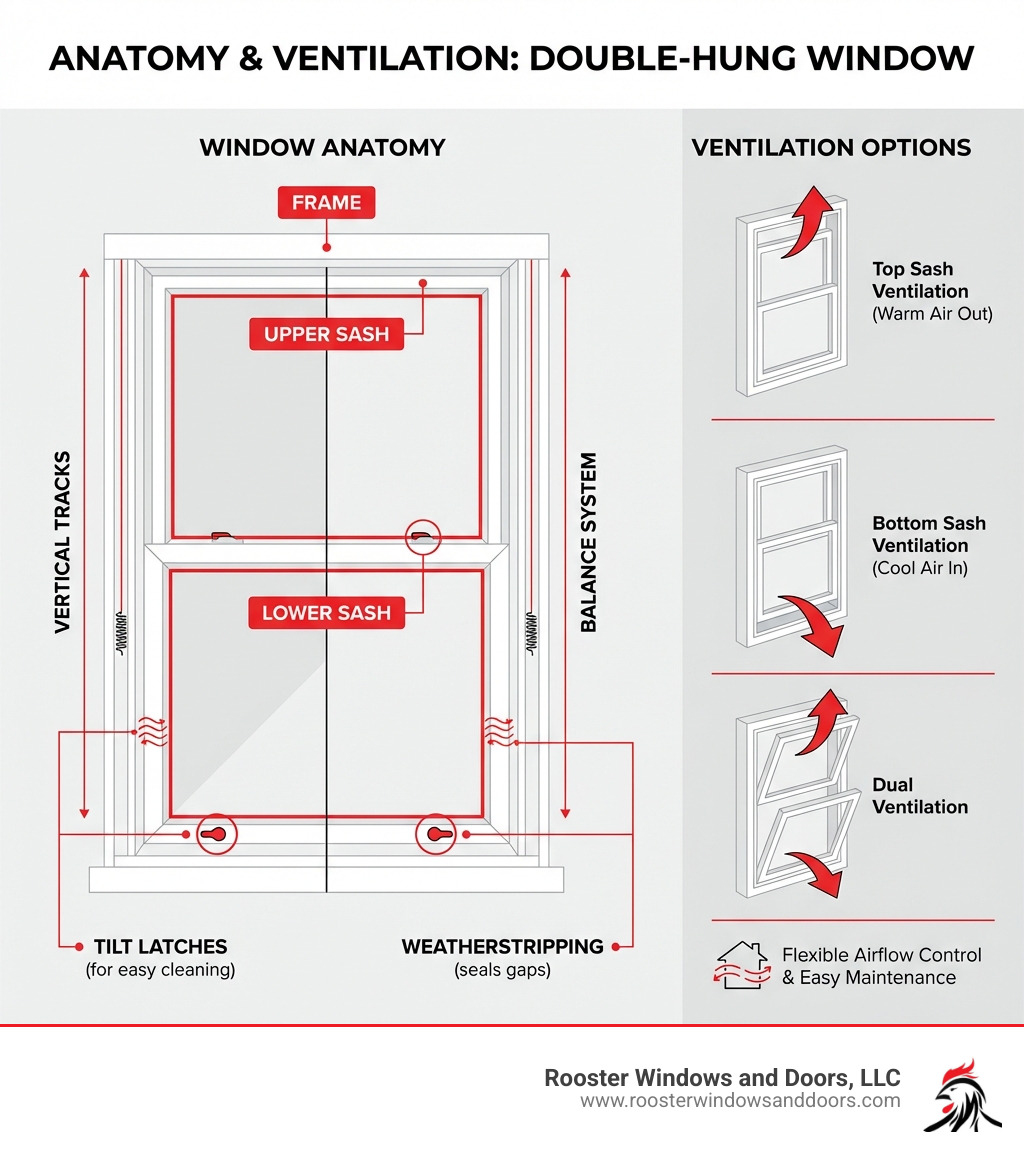
Double-hung windows are the most common window type in American homes today. Their popularity stems from practical benefits like superior airflow control and safe, easy cleaning from inside your home. When you open the top sash, warm air escapes naturally, while the bottom sash brings in cooler fresh air—a simple but effective ventilation system.
The design also offers safety advantages for families. You can open just the upper sash to ventilate a room while keeping the lower sash closed, preventing young children or pets from falling out. This versatility makes double-hung windows ideal for bedrooms, living areas, and upper-story installations.
As Piotr Wilk, I’ve spent over two decades installing windows throughout the Chicagoland area, and double-hung windows remain the most requested style for both new construction and replacement projects. Understanding what is a double hung window and how it compares to other options helps homeowners make informed decisions about their home improvement investments.
Handy what is a double hung window terms:
What is a Double Hung Window?
At its core, a double hung window is a window with two sashes (the frames holding the glass) that are both operable. This means both the upper sash and the lower sash can slide up and down independently within the window frame. This design sets it apart from many other window styles and contributes to its widespread appeal across Chicagoland and beyond.
This “sash-hung” design is a hallmark of traditional architecture, offering a timeless aesthetic that complements a vast array of home styles, from historic Victorian homes in Evanston to modern farmhouses in St. Charles. The clean lines and classic proportions of double-hung windows make them a versatile choice for any home renovation or new build. For a deeper dive into their construction and benefits, explore our Double Hung Windows: Complete Guide.
How a Double Hung Window Operates
The operation of a double-hung window is remarkably simple yet ingenious. Each sash moves vertically in its own track or channel within the main window frame.
Historically, double-hung windows relied on a system of ropes, pulleys, and counterweights hidden within the window frame to help the sashes glide smoothly and stay in place when opened. While some historic homes in areas like Lake Forest or Naperville might still feature these charming mechanisms, modern double-hung windows have evolved.
Today, most double-hung windows use sophisticated balance systems, often spring-tensioned tracks, that provide smooth, effortless operation. These systems ensure that the sashes remain open at any desired position without slipping.
A key modern innovation that defines the functionality of a double hung window is the inclusion of tilt-in latches. These latches, typically located on the top of the lower sash and sometimes on the upper sash as well, allow the sashes to pivot inward. This feature, which we’ll discuss more in the cleaning section, transforms window maintenance from a chore into a simple task, especially for windows on upper floors.
The independent movement of both sashes is where the magic happens, particularly for ventilation. You can open the bottom sash to let in fresh air, or open the top sash to let warm, stale air escape. For optimal airflow, you can open both sashes partially, allowing for what’s known as “top-down ventilation” or convection, which creates a natural air current that efficiently refreshes a room.
Why Choose a Double Hung Window for Your Home?
Homeowners throughout Illinois choose double-hung windows for a multitude of compelling reasons, blending practicality with timeless appeal.
One of the most significant advantages is their superior ventilation. By opening both the top and bottom sashes, you harness the power of natural convection. Warm air, which rises, can escape through the open top sash, while cooler, fresh air is drawn in through the bottom opening. This creates a continuous, gentle breeze that can significantly improve air circulation in your home, making rooms feel fresher and more comfortable, particularly during the warmer months in the Chicagoland area. This makes them ideal for rooms prone to moisture, like kitchens and bathrooms, helping to prevent issues like dampness and mildew.
Beyond airflow, safety is a paramount concern for many of our clients. With a double hung window, you have the option to open only the upper sash. This provides excellent ventilation without creating a large opening at ground level, which is a significant benefit for households with young children or pets. It allows us to confidently say that double hung windows are a safe choice. Parents in Schaumburg and Arlington Heights often appreciate this feature, knowing their little ones and furry friends are secure while still enjoying fresh air.
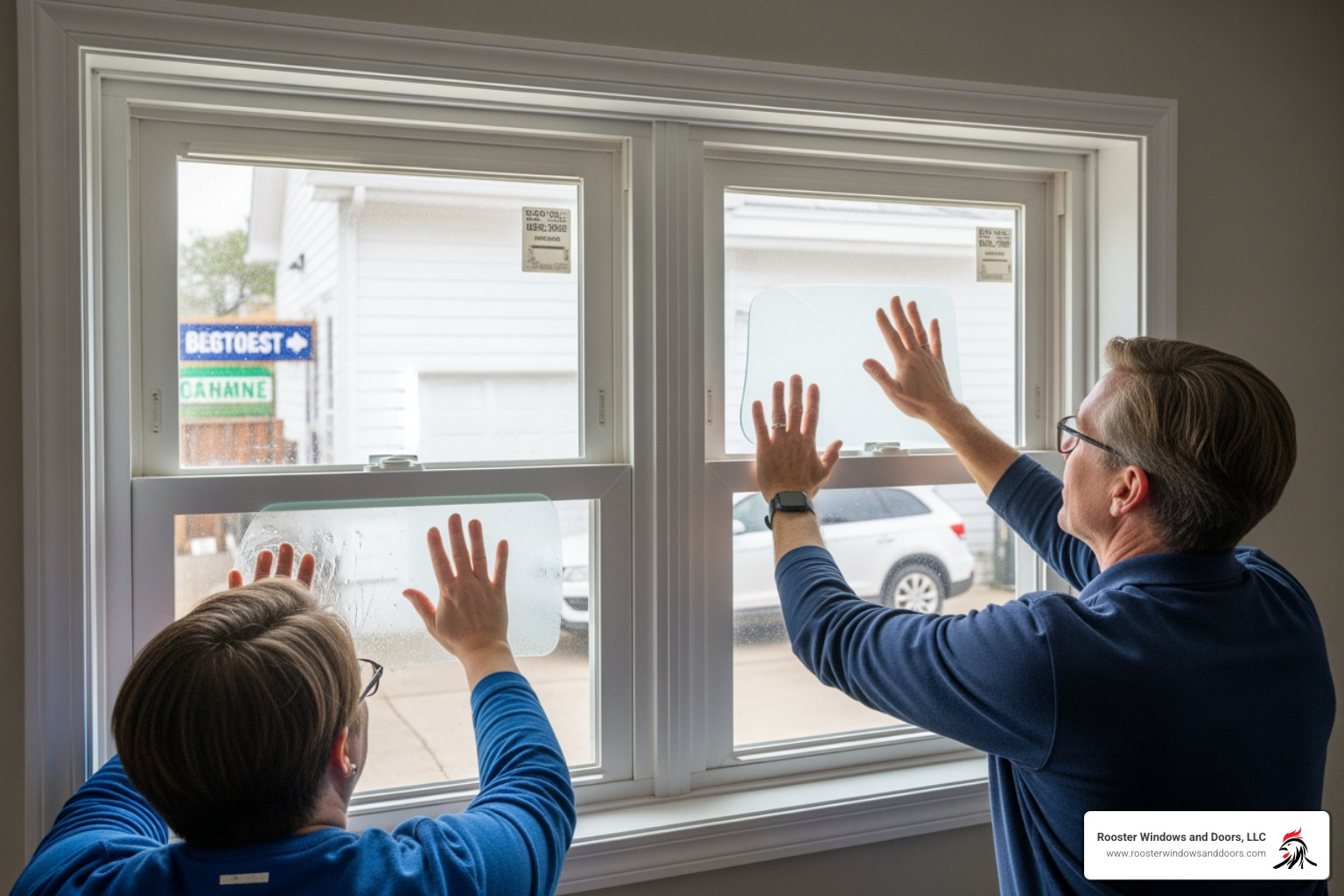
Ease of cleaning is another major selling point. Modern double-hung windows are designed with tilt-in sashes, which means you can easily clean both the interior and exterior glass surfaces from inside your home. This is a game-changer, especially for second-story windows or those in hard-to-reach spots, eliminating the need for risky ladders or external cleaning services.
Furthermore, double-hung windows are a popular choice for replacement windows in the United States. This popularity isn’t just about functionality; it’s also about value. Their classic design and robust performance can add significant resale value to your home. We’ve seen homes in communities like Lake Zurich and Glenview benefit from this timeless appeal.
Comparing Double-Hung to Other Window Styles
While the double hung window is a clear favorite for many, understand how it stacks up against other common window styles. Each type offers distinct advantages, and the best choice often depends on your specific needs, aesthetic preferences, and budget.
Double-Hung vs. Single-Hung Windows
The most direct comparison is often made between double-hung and single-hung windows. The primary difference, as their names suggest, lies in the number of operable sashes.
In a single-hung window, only the bottom sash moves vertically, while the upper sash remains fixed in place. This simpler mechanism often translates to a lower initial cost. However, the limited operability means less ventilation flexibility compared to a double-hung window. Cleaning the exterior of the upper sash of a single-hung window usually requires outside access, which can be challenging for upper-story windows.
Double-hung windows, with both sashes moving, offer superior ventilation control and significantly easier cleaning thanks to the tilt-in feature. While they generally have a slightly higher upfront cost due to more complex hardware, many homeowners find the long-term benefits in comfort and maintenance well worth the investment.
Double-Hung vs. Casement Windows
Casement windows present a different operational model altogether. Instead of sliding vertically, casement windows are hinged at the side and swing outward, similar to a door. They are typically operated with a crank mechanism.
When it comes to ventilation, casement windows can offer a large opening, acting like a sail to catch breezes, which can be fantastic for maximizing airflow, especially in hot climates. They also provide an unobstructed view when open, as there’s no central rail. However, because they swing outward, they require exterior clearance and might not be suitable for areas near walkways, decks, or patios, a common consideration for homes in busy Chicago neighborhoods.
Double-hung windows, on the other hand, operate within their frame, meaning they don’t protrude outside. This makes them ideal for spaces where exterior clearance is limited. While casement windows can offer a slightly tighter seal when locked, contributing to better energy efficiency, modern double-hung windows with advanced weatherstripping and insulated glass also achieve excellent energy performance.
In terms of cost, double-hung and casement replacement windows are often similar, with the final price heavily influenced by materials, features, and specific design choices.
Here’s a quick comparison to help visualize the differences:
| Feature | Double-Hung Window | Single-Hung Window | Casement Window |
|---|---|---|---|
| Operation | Both top and bottom sashes slide vertically | Only bottom sash slides vertically, top is fixed | Hinged at side, swings outward (crank operation) |
| Ventilation | Excellent; top, bottom, or both open for convection | Limited; only through bottom sash | Excellent; acts like a sail to catch breezes |
| Cleaning | Very Easy (tilt-in sashes for both sides) | Difficult for top sash exterior (needs outside access) | Easy (swings open for access to both sides) |
| Exterior Space | No protrusion; ideal for tight spaces | No protrusion; ideal for tight spaces | Requires exterior clearance (swings outward) |
| View | Horizontal rail in middle when closed | Horizontal rail in middle when closed | Unobstructed when closed |
| Cost | Mid-range to higher | Generally lower | Mid-range to higher (similar to double-hung) |
| Aesthetics | Classic, traditional, versatile | Traditional, simpler | Modern, sleek, can look like a picture window |
| Security | Good; can open top sash only for safety | Good; only bottom opens | Excellent when locked (tight seal) |
For more detailed comparisons, especially between our popular models, check out our guide on Double Hung vs Single Hung Windows.
Aesthetic Variations: Cottage and Reverse Cottage Sashes
One of the unique aspects of a double hung window is its architectural versatility, extending beyond just standard equal-sized sashes. This is where we get into some charming variations like the “cottage sash” and “reverse cottage sash” styles.
While most double-hung windows feature sashes of equal height, it’s possible to have different sash sizes, a detail that can add significant historic charm and character to your home. This is a design choice we often discuss with homeowners in older, character-rich neighborhoods like those in Lake Bluff or Winnetka.
A cottage sash is a double-hung window configuration where the bottom sash is taller than the top sash. This creates a distinctive look, often with a 60/40 or even 70/30 split, where the larger lower pane offers expansive views while the smaller upper pane maintains a traditional aesthetic. This style is particularly popular in homes with a Cape Cod or traditional cottage design, where it improves the quaint, charming feel.
Conversely, a reverse cottage sash is where the bottom sash is shorter than the top sash. This less common but equally striking style can create a unique visual balance, drawing the eye upwards. It’s another way to customize the look of your double-hung windows, offering a departure from the typical proportions while retaining all the functional benefits.
These unequal sash heights demonstrate the design flexibility of double-hung windows, allowing us to tailor them to specific architectural styles and homeowner preferences, ensuring your windows are not just functional but also a beautiful focal point of your home.
Sizing, Installation, and Cost Considerations
When considering what is a double hung window for your home, practical aspects like sizing, installation, and cost are crucial. We pride ourselves on providing precise measurements and transparent pricing for our Chicagoland clients.
Standard Sizes for Double-Hung Windows
One of the benefits of double-hung windows is their availability in a wide range of standard sizes, which can simplify the selection process and potentially reduce costs compared to custom-made options.
Standard double-hung windows vary in height from 36 inches to 72 inches. Common standard heights we work with include 36, 44, 52, 54, 62, and 72 inches. For width, standard double-hung windows range from 24 inches to 48 inches, with common widths such as 24, 28, 32, 40, and 48 inches.
It’s important to understand a key industry standard: when we talk about a “standard size,” like a 36×24 inch window, the actual window is typically 1/2 inch less in both dimensions. This 1/2-inch difference accounts for the “rough opening” in your wall, allowing space for flashing, shims, and insulation to ensure a perfect, airtight fit during installation. This precision is vital for energy efficiency and preventing drafts, especially in our Illinois climate. Choosing standard sizes can also make finding window treatments much easier!
Typical Cost and Value
The cost of double-hung windows can vary depending on materials (vinyl, wood, fiberglass), glass options (double-pane, triple-pane, Low-E coatings), and additional features like grids or hardware. Generally, double-hung windows are a mid-range investment. They are typically more expensive than single-hung windows due to their dual-operable sashes and more complex mechanisms. However, they are often comparable in price to casement windows.
For a single-hung window, you might expect costs to range from $100 to $300 per window. Double-hung windows typically range from $150 to $600 per window, depending on size, material, and features. While this is an investment, it’s one that often pays dividends.
Double-hung windows are the most common replacement window in the United States, and for good reason. Their combination of aesthetic appeal, functional benefits, and durability makes them a smart choice that can increase your home’s resale value. Investing in high-quality, energy-efficient double-hung windows is not just about improving your living space; it’s also about enhancing your property’s long-term value. We understand that window replacement is a significant decision, and we’re here to help you steer the options. For comprehensive information on installation and what to expect, read our Window Installation Services: Complete Guide.
Maintenance and Cleaning Best Practices
One of the most celebrated features of modern double-hung windows is their ease of maintenance, particularly when it comes to cleaning. This convenience is a huge factor for homeowners, especially those with multi-story homes in areas like Bolingbrook or Joliet.
The tilt-in functionality, as mentioned earlier, is a game-changer. Both the upper and lower sashes can typically be unlatched and tilted inward, allowing you to easily access and clean both sides of the glass from inside your home. No more precariously balancing on ladders or hiring external cleaners for your second-story windows! This makes routine cleaning safe, simple, and quick.
Beyond just cleaning the glass, proper maintenance of your double-hung windows involves a few other simple steps to ensure their longevity and smooth operation:
- Sash Lubrication: Over time, the tracks where the sashes slide can accumulate dust and debris, or the lubrication can wear down. Periodically, clean the tracks and apply a silicone-based lubricant (avoid oil-based products as they can attract dirt) to ensure the sashes glide effortlessly.
- Track Debris: Regularly inspect the tracks for any accumulated dirt, leaves, or other debris. A small brush or vacuum attachment can easily clear these out, preventing sashes from sticking or operating roughly.
- Weatherstripping Inspection: Weatherstripping is crucial for preventing drafts and maintaining energy efficiency. Check the weatherstripping around your sashes and frame for any signs of wear, tearing, or compression. Worn weatherstripping can lead to air leaks, which can impact your home’s comfort and energy bills. If you notice any issues, it’s best to consult with us for replacement options.
- Hardware Check: Periodically check the latches, locks, and any other hardware for tightness and proper function. Loose hardware can affect both security and operation.
By following these simple maintenance practices, your double hung window will continue to provide excellent performance, comfort, and beauty for many years to come. For more detailed guidance on keeping all your windows in top shape, refer to our comprehensive Window Maintenance guide.
Frequently Asked Questions about Double-Hung Windows
As experts in window installation and replacement in the Chicagoland area, we often encounter common questions about what is a double hung window and its various features. Here are some of the most frequently asked questions:
Can the sash sizes of a double-hung window be different?
Yes, absolutely! While many double-hung windows feature sashes of equal height, it’s a common and aesthetically pleasing design choice for the top and bottom sashes to have different heights. This variation can add historic charm or a unique visual element to your home’s exterior. We often see this in traditional architectural styles where customization is key.
What is the difference between a cottage sash and a reverse cottage sash?
These are specific aesthetic variations of double-hung windows with unequal sash heights:
- A cottage sash is a double-hung window where the bottom sash is taller than the top sash. This configuration is often chosen to improve views or to match traditional architectural styles, such as Cape Cod homes, where a larger lower pane is desired. A common split might be 60% for the bottom sash and 40% for the top.
- A reverse cottage sash is the opposite: the bottom sash is shorter than the top sash. This less common style can create a distinct visual effect, drawing the eye upward and offering a unique take on the classic double-hung design.
Both styles retain the full functionality of a standard double-hung window, including the ability for both sashes to operate and tilt for cleaning.
Are double-hung windows more energy-efficient than single-hung windows?
This is a nuanced question, and the answer isn’t always straightforward.
Historically, single-hung windows were sometimes considered slightly more energy-efficient because they have fewer moving parts (only one operable sash), which theoretically reduces potential points for air leakage. The fixed top sash was seen as inherently more airtight.
However, with modern advancements in window technology, this difference is largely mitigated. Contemporary double hung window designs, especially those we install, incorporate features like:
- Advanced weatherstripping: High-quality seals around both sashes minimize air infiltration.
- Insulated glass units: Double or triple-pane glass with inert gas fills (like argon) significantly improves thermal performance.
- Precision manufacturing: Tightly constructed frames and sashes reduce gaps.
When properly manufactured and installed, modern double-hung windows can be highly energy-efficient, often meeting or exceeding Energy Star ratings. While a basic single-hung might be marginally more efficient due to its simpler design, a high-quality, energy-efficient double-hung window from Rooster Windows and Doors will generally outperform a basic single-hung window in terms of thermal performance and overall comfort. The key is to look for certified products and ensure professional installation, which we guarantee for all our clients in Illinois.
Conclusion
The double hung window stands as a testament to classic design and enduring functionality. Its versatility, combined with modern innovations like tilt-in sashes and advanced energy-efficient materials, makes it an ideal choice for homeowners across the Chicagoland area looking to improve their homes. From superior ventilation and improved safety to effortless cleaning and timeless aesthetics, double-hung windows offer a comprehensive solution for almost any room or architectural style.
At Rooster Windows and Doors, LLC, we understand that choosing the right windows is a significant investment in your home’s comfort, beauty, and value. Our commitment is to provide high-quality, flawless, and energy-efficient installations with a wide variety of options to suit your specific needs. With our team of certified window installers, you can trust us to deliver exceptional craftsmanship and service, ensuring your new double-hung windows perform beautifully for years to come.
Ready to explore how double-hung windows can transform your home? Browse our selection of double-hung windows today and let us help you find the perfect fit for your unique vision.
