

Why High-Quality Doors Matter for Your Home
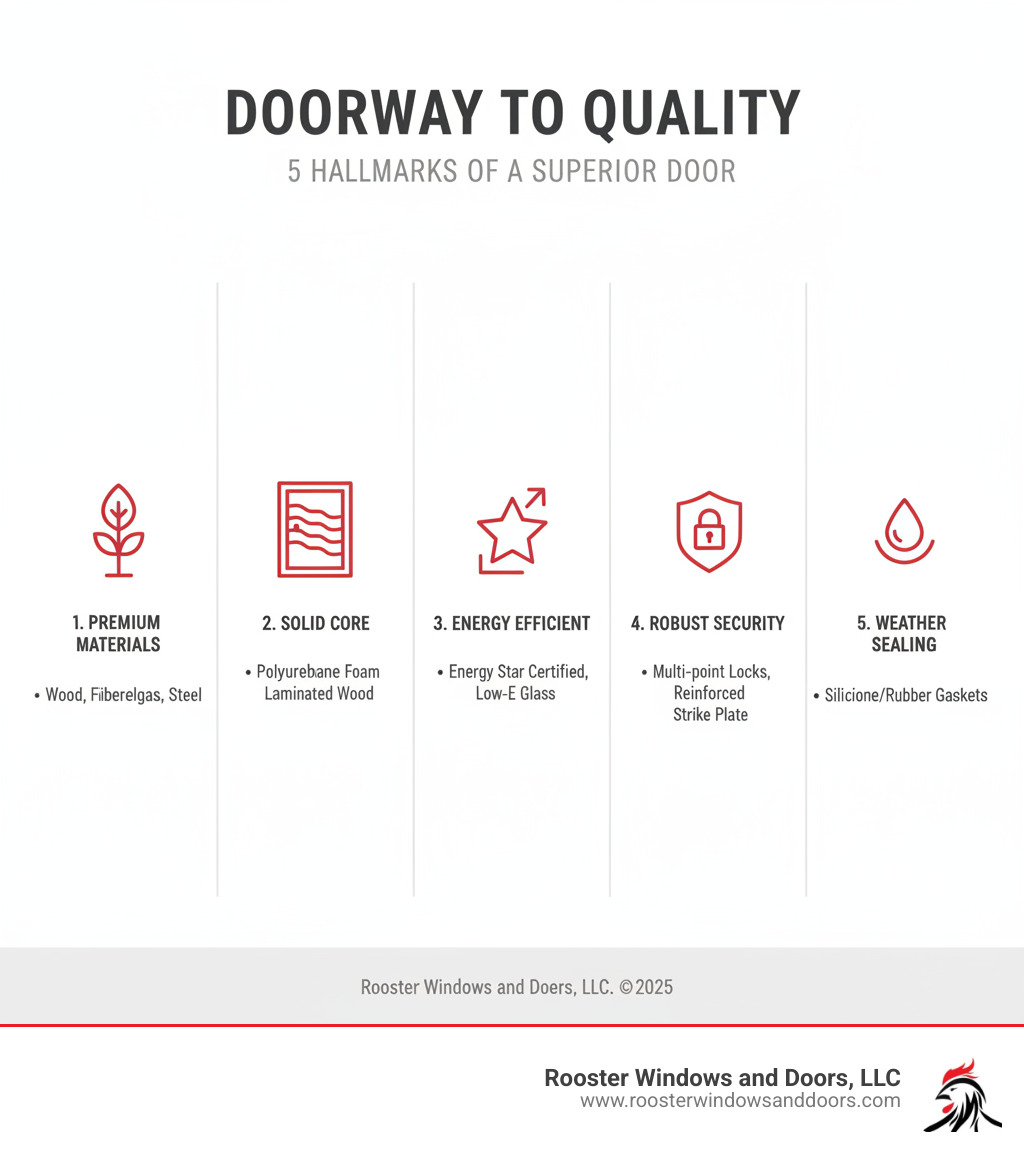
Best quality doors combine superior materials, expert construction, and energy-efficient features to provide lasting security, comfort, and curb appeal. Here’s what defines them:
Key Qualities to Look For:
- Material Excellence: Wood (classic warmth), fiberglass (low maintenance durability), or steel (maximum security)
- Energy Efficiency: Energy Star qualified with low-E glass, polyurethane foam cores, and advanced weatherstripping
- Robust Security: Multi-point locks, reinforced strike plates, and 1-inch throw deadbolts
- Superior Construction: Stile and rail design with laminated cores and adjustable thresholds
- Proven Durability: Resistance to warping, dents, and weather damage
Your front door is more than just an entrance—it’s the first thing visitors notice, a critical barrier against weather and intruders, and a major factor in your home’s energy efficiency. According to Consumer Reports, even the door material itself matters less for security than proper installation and reinforcement at the doorjamb. The best doors balance aesthetics with performance, offering features like triple-pane glass, advanced weatherstripping, and durable materials that resist decades of daily use.
The market offers overwhelming options, from budget-friendly steel doors starting around $200 to premium mahogany entries exceeding $5,000. Leading manufacturers like Therma-Tru, Woodgrain, and Andersen each bring distinct advantages to homeowners.
As Piotr Wilk of Rooster Windows and Doors, LLC, I’ve spent over two decades installing the best quality doors throughout the Chicagoland area. My hands-on experience across thousands of installations in Lake, Cook, and McHenry County has shown me what separates truly exceptional doors from mediocre ones.
Best quality doors helpful reading:
A Guide to High-Quality Door Materials
Choosing the right material for your front door might feel overwhelming at first, but it doesn’t have to be. Think of it this way: each material has its own personality, and your job is finding the one that matches your home’s needs and your lifestyle.
Let me walk you through the three main contenders for best quality doors—wood, fiberglass, and steel. Each brings something different to the table, and understanding what makes them tick will help you make a confident decision.
| Feature | Wood Doors | Fiberglass Doors | Steel Doors |
|---|---|---|---|
| Durability | Good, but susceptible to weather and warping | Excellent, resistant to dents, rot, and rust | Excellent, highly resistant to impact |
| Maintenance | High (regular staining/painting) | Low (occasional cleaning) | Low (occasional cleaning, touch-ups for dents) |
| Cost | High (most expensive) | Mid-to-High (good value over time) | Low-to-Mid (most affordable) |
| Insulation | Good (can vary by construction) | Excellent (foam core, better than wood) | Excellent (foam core, better than wood) |
| Aesthetics | Classic, natural, customizable | Versatile (can mimic wood, smooth finishes) | Modern, sleek, can be painted |
Wood Doors: Classic Beauty and Warmth
There’s something undeniably special about a genuine wood door. It announces quality before anyone even rings the doorbell. The natural grain patterns, the warmth of real timber, the way light plays across the surface—these details create an neat first impression that’s hard to replicate with any other material.
Wood doors shine brightest when you want serious customization. Whether you’re restoring a historic home in Lake Forest or building a custom residence in Arlington Heights, wood gives you options that other materials simply can’t match. You can choose from beautiful species like Mahogany, prized for its rich color and gorgeous grain, or Knotty Alder, which brings rustic character with its distinctive knots and natural variations. Some manufacturers offer nine different wood species, letting you dial in exactly the look you’re after.
But let’s be honest about the tradeoff. Wood demands attention. In the Chicagoland area, where we swing from frigid winters to humid summers, wood doors need regular staining or painting to keep them looking their best and performing properly. Without this care, they can warp or develop rot. If you love the idea of maintaining your door the way you’d care for fine furniture, wood might be your perfect match.
Fiberglass Doors: The Versatile Performer
If wood is the classic choice, fiberglass is the overachiever that does a bit of everything exceptionally well. These doors have become incredibly popular, and after installing hundreds of them across Cook and Lake Counties, I understand why.
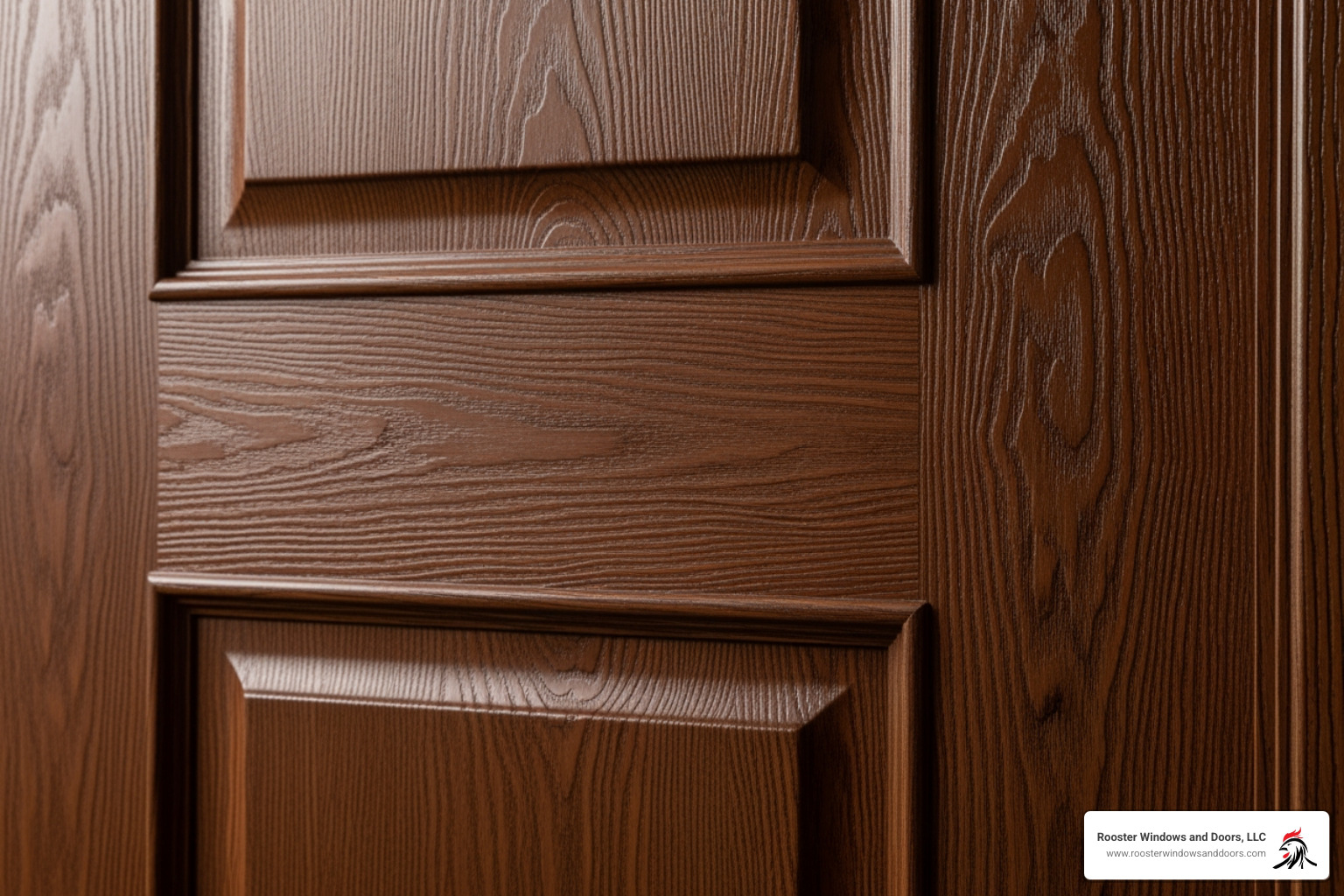
The real magic of fiberglass is how it mimics wood’s beauty without wood’s headaches. Modern manufacturing techniques create wood-grain textures so realistic you’ll need to touch them to tell the difference. Prefer something contemporary? Smooth finishes deliver a sleek, modern aesthetic that works beautifully with newer architectural styles.
What really sets fiberglass apart is its durability. These doors laugh at the weather conditions that make wood doors nervous. They won’t warp when humidity spikes in July. They won’t rot during our wet springs. They resist dents better than steel, and they’ll never rust. For homeowners in Naperville, Bolingbrook, or St. Charles who want a door that looks great without constant maintenance, fiberglass hits the sweet spot.
The insulation core in quality fiberglass doors provides excellent energy efficiency, often surpassing solid wood. Some leading manufacturers have produced over 70 million fiberglass entry doors specifically engineered for optimal insulation—that’s a lot of proven performance keeping homes comfortable year-round.
Steel Doors: Best Security and Strength
When I talk to homeowners who’ve experienced a break-in or who simply want maximum peace of mind, steel doors usually top their list. There’s a reason steel accounts for about half of all exterior door sales: it offers best security at the most accessible price point.
A quality steel door is basically a vault entrance that looks good on your house. The strength of steel provides exceptional resistance to forced entry attempts, giving families across Chicago and surrounding communities that extra layer of protection. Combine that with proper deadbolts and reinforced strike plates, and you’ve got a formidable barrier.
Modern steel doors aren’t just about brawn, though. They’re surprisingly energy-efficient thanks to their insulated cores, often matching or exceeding fiberglass in thermal performance. The best ones feature galvanized steel construction, which significantly improves resistance to both dents and rust—two concerns that can affect lower-quality steel doors.
The main considerations with steel? If something heavy hits it just right, it can dent. And if the finish gets scratched down to bare metal, rust can develop. But with reasonable care and the occasional touch-up, a quality steel door will serve you well for decades. Plus, steel doors accept paint beautifully, so you can refresh their look whenever you want to change your home’s color scheme.
What Defines the Best Quality Doors?
Beyond the material itself, what truly separates exceptional doors from average ones comes down to how they’re built and what features they include. The best quality doors aren’t just about looking good—they’re engineered systems designed to perform year after year, keeping your home comfortable, secure, and energy-efficient. After installing doors throughout the Chicagoland area for over two decades, from Joliet to Waukegan, I’ve learned that the details matter tremendously.
Superior Construction and Durability
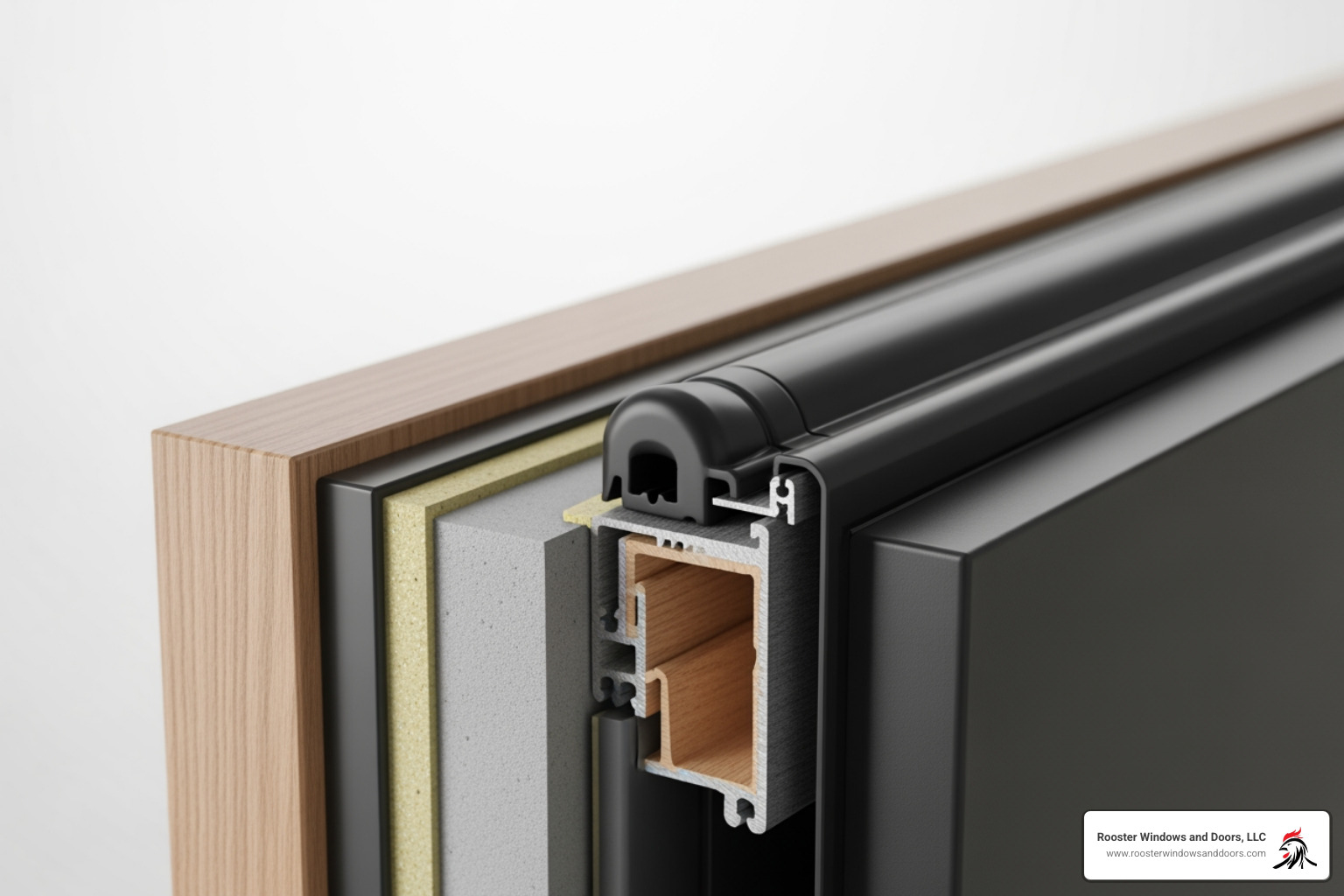
Think of a door’s core as its backbone. High-quality doors feature robust internal construction that gives them strength and stability. A polyurethane foam core is one of the best options you’ll find, especially in steel and fiberglass doors. This dense foam doesn’t just make the door sturdy—it dramatically improves insulation, helping keep your heating and cooling costs down.
For wood doors, the construction method matters enormously. Look for stile and rail construction with laminated wood cores covered in veneer. This approach is far more resistant to warping and twisting than solid wood, which is crucial in our Chicagoland climate where humidity levels change with the seasons. The laminated construction keeps the door stable and true, preventing those frustrating gaps that let drafts sneak in.
Here’s something many homeowners don’t realize: the doorjamb is actually more important than the door itself when it comes to security and longevity. Consumer Reports points out that the primary vulnerability during a break-in attempt isn’t the door—it’s the doorjamb splitting near the strike plate. That’s why the best doors come with reinforced doorjambs designed to withstand force.
Another detail that separates quality doors from mediocre ones is an adjustable threshold. This might seem minor, but it’s essential for maintaining a weather-tight seal over time. As your house settles or materials expand and contract with temperature changes, that adjustable threshold lets you keep everything sealed up tight, preventing drafts and water infiltration.
Top-Tier Energy Efficiency Features
Living in the Chicagoland area means dealing with sweltering summers and frigid winters—sometimes all in the same week! Energy-efficient doors aren’t just nice to have; they’re essential for keeping your home comfortable and your utility bills reasonable. The best quality doors are specifically engineered to stop heat from escaping in winter and prevent it from flooding in during summer.
The insulation story starts with that core we mentioned earlier. A dense, insulated core made from polyurethane foam provides excellent thermal resistance, creating a barrier between your cozy interior and whatever weather is happening outside.
But even the best insulated door won’t perform well without proper weatherstripping. Quality doors feature durable weather stripping made from materials like silicone or rubber that create a continuous seal around the entire door frame. This seal is what stops those annoying drafts that make you feel cold standing near the door. Door sweeps at the bottom complete this seal, closing off that critical gap where the door meets the threshold.
When shopping for doors, look for Energy Star qualified options. This certification isn’t just marketing—it means the door has been independently tested and meets strict energy efficiency guidelines set by the EPA. These doors feature tighter-fitting frames and advanced weatherstripping that make a real difference in performance.
Here’s a bonus: certain high-efficiency doors may qualify you for federal tax credits. The Energy Efficient Home Improvement Credit allows you to deduct a portion of your door’s cost from your taxes, which can make upgrading to a premium door more affordable.
If your door includes glass panels, pay attention to the glazing. Low-E glass (that’s low-emissivity) has a special coating that reduces heat transfer while still letting light through. Double-pane or even triple-pane glass creates insulating air pockets between the layers, dramatically improving thermal performance. These features are especially important in our climate, where your door takes a beating from both temperature extremes and intense sunlight.
Essential Security for the Best Quality Doors
Your front door is your home’s primary defense against intruders, so security features should be a top priority when evaluating door quality. The best quality doors incorporate multiple layers of protection that work together to keep your family safe.
Start with the basics: high-quality locksets and deadbolts. A proper deadbolt should have at least a 1-inch throw bolt that extends deep into the door frame. But here’s the critical part that many people overlook—the lock is only as strong as what it’s anchored to.
Consumer Reports emphasizes that the doorjamb near the strike plate is usually the weakest link. When someone tries to kick in a door, the doorjamb often splits before the lock fails. That’s why reinforced strike plates are absolutely essential. Look for a metal box strike plate that’s secured with 3-inch screws that penetrate all the way into the wall studs, not just the door frame. Those longer screws anchor the strike plate to your home’s structural framing, making it exponentially harder to kick the door in.
The same principle applies to hinge security. The hinges should be fastened with long, sturdy 3-inch screws that reach into the studs. This is especially critical if you have an outswing door, where the hinges are on the exterior side.
For the ultimate in security, consider doors with multi-point locking systems. When you turn the lock on these systems, bolts engage at multiple points—typically at the top, middle, and bottom of the door frame. This distributes any impact force across a much wider area, making forced entry extremely difficult. While these systems are more common on patio doors, they’re increasingly available on high-end entry doors and provide exceptional peace of mind.
How to Choose Your Ideal High-Quality Door
Selecting the perfect door for your home isn’t just about picking something that looks nice—it’s about finding the right balance between beauty, performance, your budget, and what your home actually needs. After two decades working with homeowners from Crystal Lake to Glenview, I can tell you that every home tells its own story, and the right door should fit seamlessly into that narrative.
Matching a Door to Your Home’s Style and Climate
Start by really looking at your home’s architectural character. A sleek modern farmhouse in Kildeer deserves a different entrance than a charming 1920s bungalow in Evanston, right? Think about the lines, proportions, and personality of your home. The best quality doors come in styles ranging from classic wood that adds warmth and tradition, to versatile fiberglass that can convincingly mimic wood grain or offer clean contemporary lines, to bold steel entries with their modern simplicity.
Here’s where living in the Chicagoland area really matters. Our climate isn’t gentle—we get brutal winter cold, sticky summer humidity, and everything in between. These conditions put real stress on doors. Fiberglass and steel doors tend to be champions in our weather, thanks to their superior insulation and resistance to warping or swelling. If your heart is set on wood (and I get it—there’s nothing quite like real wood), just know you’re signing up for regular maintenance to keep it looking great and performing well.
Privacy considerations matter too, especially if you’re choosing a door with glass panels. Do you love natural light but worry about visibility from the street? You’ve got options—frosted glass, decorative patterns, textured designs, or even completely opaque panels. The right choice depends on your home’s layout, your neighborhood, and your personal comfort level.
Now, let’s talk money. Yes, high-quality doors cost more upfront than builder-grade options. But here’s the thing—you’re not just buying a door, you’re making an investment in your home’s security, comfort, and energy efficiency. A well-chosen door can last decades and save you money month after month through reduced heating and cooling costs. When you’re budgeting, think long-term value rather than just the price tag.
Why Professional Installation is Crucial for the Best Quality Doors
I’ll be honest with you—even the best quality doors money can buy will disappoint you if they’re not installed correctly. I’ve walked into homes where beautiful, expensive doors were basically useless because someone tried to save a few dollars on installation. Gaps around the frame let in drafts. Locks that don’t align properly. Weatherstripping that doesn’t seal. It’s heartbreaking, really, because these problems could have been completely avoided.
Professional installation isn’t just about getting the door to fit in the opening. It’s about creating a precise, airtight seal around the entire perimeter. Every fraction of an inch matters. When done right, you shouldn’t feel any air movement around your closed door, even on the windiest Chicago days. This attention to detail directly impacts your energy bills—air leakage around a poorly installed door can waste hundreds of dollars annually in heating and cooling costs.
There’s also the question of pre-hung versus slab doors. Pre-hung doors come already mounted in their frame, which makes installation more straightforward and ensures everything is perfectly aligned from the start. If you’re doing new construction or replacing an old door where the frame is damaged, pre-hung is usually the way to go. Slab doors (just the door itself, no frame) can work if your existing frame is in excellent condition and perfectly square, but honestly, that’s not always the case in older homes.
The structural integrity of the installation matters for security too. Remember those 3-inch screws we talked about for strike plates? They need to go into solid framing, not just trim. Getting the door perfectly plumb and level ensures your locks engage smoothly and your weatherstripping makes consistent contact all the way around.
Our team’s expertise in Door Installation and Custom Entry Door Installation means we handle these details automatically. We’ve installed thousands of doors across Lake, Cook, and McHenry Counties, and we know exactly what it takes to ensure your door performs flawlessly from day one—keeping your home secure, comfortable, and energy-efficient for years to come.
Frequently Asked Questions about High-Quality Doors
What is the longest-lasting type of exterior door?
If you’re looking for a door that will outlast nearly everything else in your home, steel doors are your champion. High-quality steel doors, particularly those made with galvanized steel, can easily last 30 to 100 years. That’s not a typo—these doors are built to endure. Their incredible lifespan comes from their natural strength and resistance to impact, and with proper care, they’ll resist rust and maintain their integrity for decades.
Fiberglass doors are close runners-up in the longevity race. They won’t rot, warp, or attract pests, and they’ll serve your home faithfully for decades with very little maintenance. It’s one of the reasons we see so many homeowners in the Chicagoland area choosing fiberglass for their entries.
Wood doors can also last a very long time—potentially as long as fiberglass—but here’s the catch: they need consistent, dedicated maintenance. Regular staining or painting, especially in our climate with its freeze-thaw cycles and humidity swings, is essential to prevent warping, rot, and other moisture-related issues. If you’re willing to put in that care, wood can be a beautiful, lasting investment.
The reality is that climate plays a huge role in door lifespan. Here in Illinois, where we experience everything from bitter cold winters to humid summers, materials that resist moisture and temperature extremes simply perform better over the long haul.
Are doors with glass panels less secure?
This is one of the most common questions we hear, and I completely understand the concern. But here’s the truth: doors with glass panels can be just as secure as solid doors when they’re built with quality and the right security features. Modern best quality doors with glass are engineered with security in mind from the start.
The key is in the details. High-quality doors use tempered glass, which is designed to shatter into small, relatively harmless pieces if broken, or laminated glass, which has a special interlayer that holds the glass together even when it’s broken. Laminated glass is particularly effective because even if an intruder manages to break it, they can’t easily create an opening large enough to reach through.
For doors with glass panels near the lock, a double-cylinder deadbolt is a smart addition. This type of lock requires a key on both sides, so even if someone breaks the glass, they can’t simply reach in and turn a thumb latch to open the door. Just be sure to check your local fire codes before installing one, as some areas have specific requirements.
Decorative grilles and inserts do more than just look beautiful—they also add an extra barrier that makes it harder for anyone to access or break the glass. And if you want an additional layer of protection, security film can be applied to glass panels to make them much more resistant to shattering.
We’ve installed countless glass-paneled doors throughout Lake, Cook, and McHenry counties, and when they’re properly designed and installed, they provide both beauty and robust security.
Can a new high-quality door really save me money on energy bills?
Yes, absolutely—and the savings can be more substantial than many homeowners expect. If you’re living with an older door or one made with inferior materials, you’re likely losing money every single month through air leaks and poor insulation. In our Illinois climate, where your heating and cooling systems work overtime, an inefficient door is literally throwing your money out into the cold (or the heat).
The energy savings from a new, high-quality door come from several important features working together. First, there’s superior insulation, measured by R-value. Modern fiberglass and steel doors are typically filled with polyurethane foam cores that provide dramatically better resistance to heat flow than older wood or hollow-core doors. This means your home stays warmer in winter and cooler in summer without your HVAC system working as hard.
Second, advanced weather stripping made from durable silicone or rubber creates an airtight seal that drastically reduces drafts and air infiltration. Combined with tight-fitting frames and adjustable thresholds, this prevents the constant air leakage that older doors allow. When we install doors in homes from Naperville to Waukegan, homeowners often tell us they can immediately feel the difference—no more cold drafts in winter or hot air seeping in during summer.
For doors with glass, Low-E coatings and multiple panes (double or triple) work together to minimize heat transfer. Low-E glass reflects heat back into your home during winter and keeps it outside during summer, while the air pockets between multiple panes add extra insulation.
All of these features translate directly into lower utility costs. Plus, many energy-efficient doors, particularly those that are Energy Star qualified, may qualify for federal tax credits, giving you even more savings on your investment. You can find more info about qualifying doors that can help reduce your tax burden while improving your home’s comfort and efficiency.
Invest in Quality for Lasting Value and Peace of Mind
Your front door does more than open and close—it protects your family, welcomes guests, and helps keep your home comfortable and energy-efficient. That’s why choosing the best quality doors is a smart, long-term investment.
What sets them apart is simple: superior materials (fiberglass, wood, or steel), expert construction with sturdy cores and reinforced frames, advanced energy features like Low-E glass and tight weather sealing, and robust security with strong locks and strike plates.
These features turn into real-world benefits: better curb appeal, dependable security, and lower utility bills.
Across the Chicagoland area—from Lake Forest to Naperville—we’ve seen how the right door transforms a home. At Rooster Windows and Doors, LLC, our two decades of experience ensure your door is installed with precision so it seals tightly, operates smoothly, and performs for years.
Even the best quality doors underperform without proper installation. Our team focuses on airtight fits, correct alignment, and secure anchoring so you get the durability, efficiency, and safety you paid for.
Ready to upgrade your entry? Explore our comprehensive Door Services and find the perfect solution for your home.
